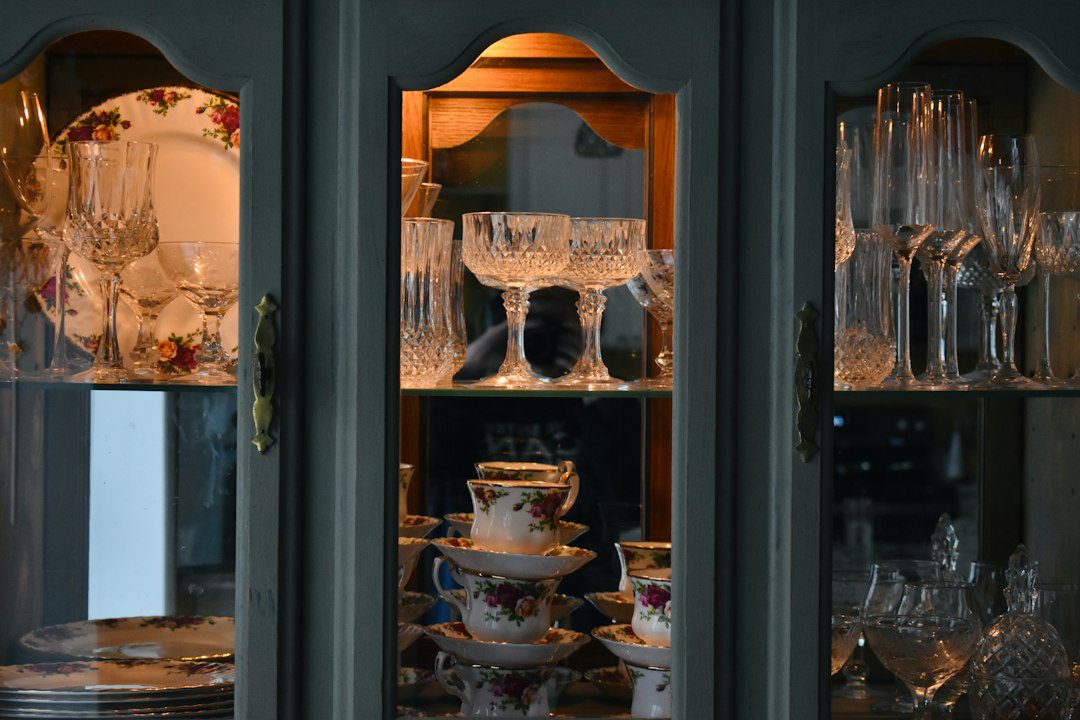
Almost every grandmother’s dining room has one: a glass-front cabinet packed with dishes and knickknacks that never seem to come out except for holidays. When it’s time to finally clear that cabinet out, the instinct is often to box it all up for the thrift store without a second thought.
But china cabinets are exactly where families tend to store their most valuable, least-appreciated pieces. Before anything leaves the house, walk through these nine categories and check what’s actually sitting behind that glass.
Full China Dinnerware Sets
A complete set of formal china, especially one with a distinctive floral or gold-rimmed pattern, is one of the most overlooked assets in a china cabinet. Turn a dinner plate over and read the backstamp carefully, since the maker’s name and pattern title determine whether a set is common or genuinely sought after. Sets that are still complete, with matching serving pieces like the gravy boat and vegetable dishes, are worth considerably more as a group than as individual plates sold separately. Even a pattern that feels old-fashioned by current design trends often has buyers actively searching to complete or replace their own sets. Photograph the backstamp before deciding a set is too dated to be worth anything.
Sterling Silver Flatware and Serving Pieces
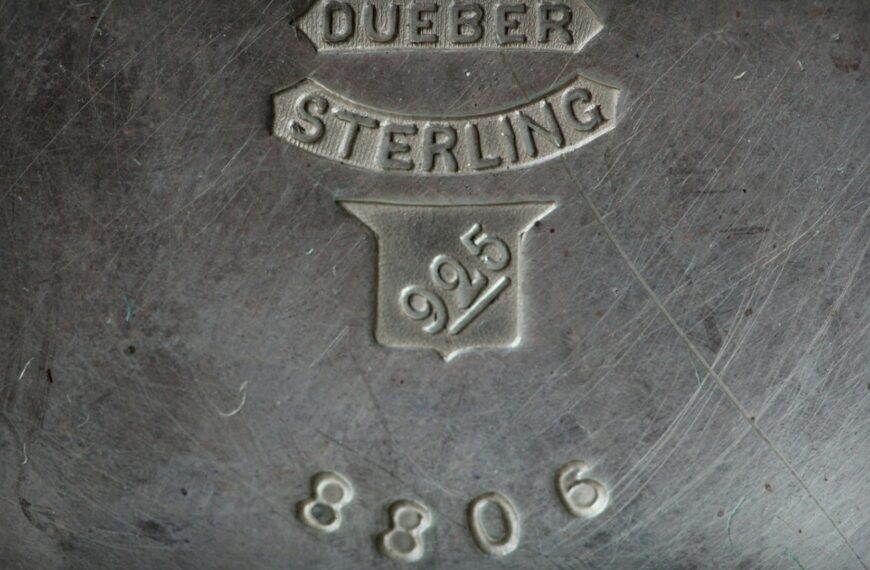
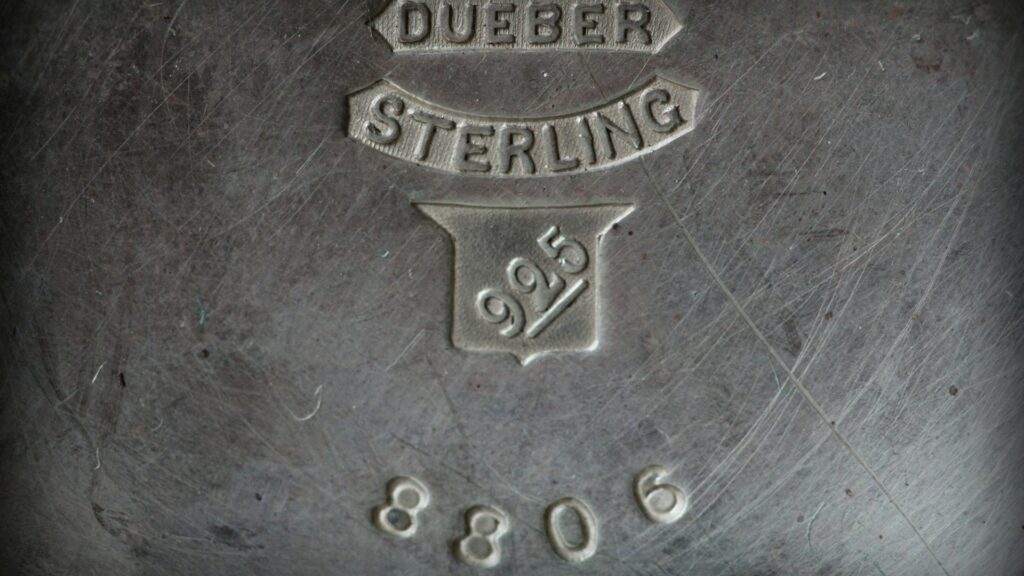
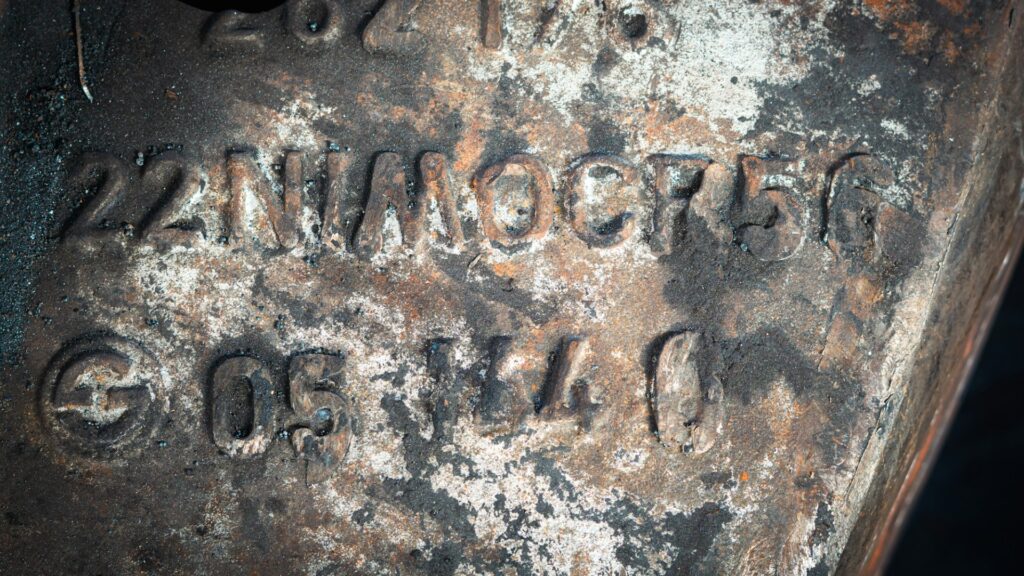
Silver flatware sets tarnish easily, which makes them look neglected even when they’re solid sterling rather than plate. The distinction matters enormously for value, and it comes down to the hallmark stamped on the back of each piece. Genuine sterling is typically marked “sterling” or “925,” while silverplate carries different manufacturer marks entirely, a difference silver identification guides walk through in detail. A full sterling flatware set, even heavily tarnished, generally holds real melt and collector value, while silverplate is worth far less regardless of how impressive it looks. Check several pieces individually, since mismatched sets sometimes combine both sterling and plated items from different eras.
Crystal Stemware and Decanters
Cut crystal glasses and decanters catch the light beautifully, but their weight and clarity are also the easiest way to judge quality before researching further. Genuine lead crystal has noticeable heft and produces a clear ringing tone when gently tapped, unlike lighter pressed glass imitations. Patterns from well-known crystal makers, particularly complete sets of six or eight matching glasses, appeal strongly to collectors replacing broken pieces from their own inherited sets. Decanters with intact, matching stoppers are worth more than ones missing their original stopper. Examine the base for any etched or acid-stamped maker’s mark, since unmarked crystal still has value but marked pieces are considerably easier to identify and price accurately.
Porcelain and Bisque Figurines
Delicate figurines depicting children, animals, or pastoral scenes were popular collectibles for decades and often get mistaken for cheap decorative clutter. Look at the base for an embossed or painted mark, along with the quality of the paint detail and facial features, since hand-painted figurines from known makers command far more than mass-produced imitations. Figurines with intact, unrepaired details like fingers, flower petals, or umbrella handles hold more value, since these fragile extensions are the first things to break and get repaired over decades of handling. Original paper labels, if still attached to the base, add helpful identifying information and shouldn’t be peeled off before researching the piece.
Commemorative and Limited-Edition Plates
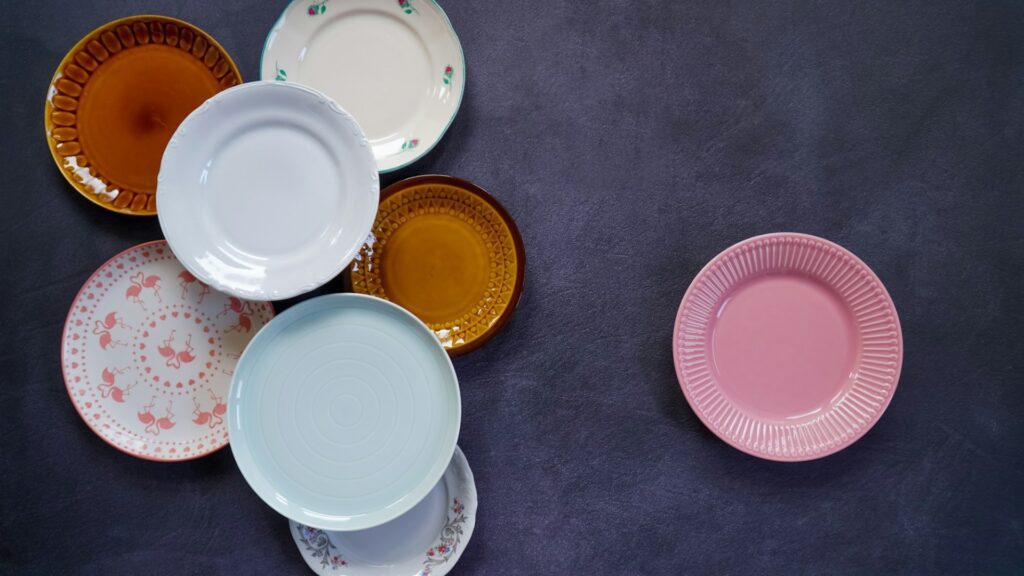
Decorative plates made to commemorate specific events, holidays, or anniversaries were often sold as limited editions with numbered certificates of authenticity. While the market for these has cooled from its peak decades ago, certain early or especially limited runs still attract dedicated buyers, particularly plates tied to historical events or beloved illustrators. Check the back for an edition number and the total run size, since a plate marked as one of a small run is generally more desirable than one produced in the tens of thousands. Keep any original box or certificate together with the plate, since collectors specifically value that documentation as proof of authenticity.
Cut Glass and Pressed Glass Bowls
Heavy glass bowls with intricate geometric cutting patterns were once dining room centerpieces and are frequently mistaken for ordinary glassware today. Genuine cut glass has sharp, deeply carved facets that catch light distinctly, while pressed glass imitations have shallower, more uniform patterns molded rather than hand-cut. Running a fingernail across the pattern can help distinguish the two, since hand-cut edges feel noticeably sharper. Large centerpiece bowls in excellent condition, free of chips along the rim, are particularly desirable to collectors furnishing period-appropriate dining rooms. Even smaller cut glass dishes and vases have a steady resale market among buyers seeking authentic antique glass rather than reproductions.
Silver Tea and Coffee Services
A full tea service, including the pot, creamer, sugar bowl, and serving tray, represents one of the more substantial finds a china cabinet can hold. As with flatware, the critical question is whether the pieces are sterling silver or silverplate, which is determined by the hallmark stamped on the base of each item. A matched sterling set in good condition, free of dents and with its original tray, holds meaningful value even before accounting for any collector interest in the specific maker. Silverplate services still have decorative and functional value but sell for considerably less. Keep the full set together rather than splitting pieces up, since matched services sell better as a unit.
Cake Stands and Compotes
Pedestal cake stands and footed compote dishes, often made from pressed glass, milk glass, or fine china, were staple entertaining pieces that have become popular again for modern gatherings and photography. Look for maker’s marks on the underside of the base, and check that the pedestal isn’t a mismatched replacement from a different set, which is common after decades of household use. Milk glass cake stands with a hobnail or lace-edge pattern are particularly popular with buyers decorating for weddings and parties, while cut glass and crystal versions appeal more to traditional collectors. A stand in structurally sound condition, even with minor surface wear, generally sells well regardless of style.
Vintage Salt Cellars and Condiment Sets
Small open salt dishes, sometimes accompanied by tiny matching spoons, were common before salt shakers became standard and are easy to dismiss as insignificant trinkets. These miniature pieces, often made from cut glass, sterling silver, or fine porcelain, appeal to a specific niche of collectors who focus exclusively on tableware accessories. Check for a hallmark on any metal spoon or base, and examine glass versions for the same cut quality markers used to evaluate larger crystal pieces. Complete sets with matching spoons intact are considerably more desirable than a single orphaned dish. Because these pieces are small and easy to overlook entirely, check every shelf and drawer of the cabinet carefully before assuming it’s empty.