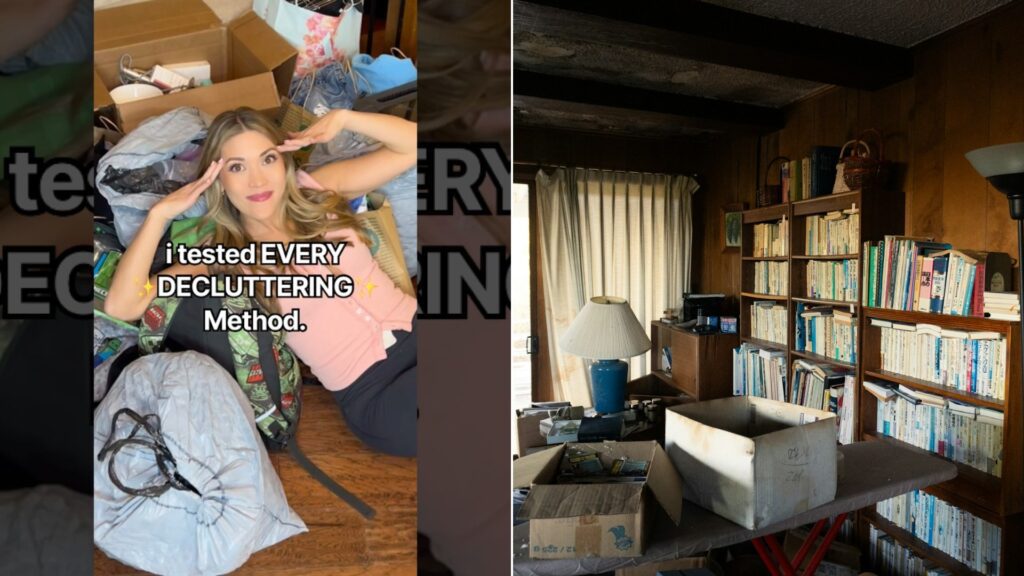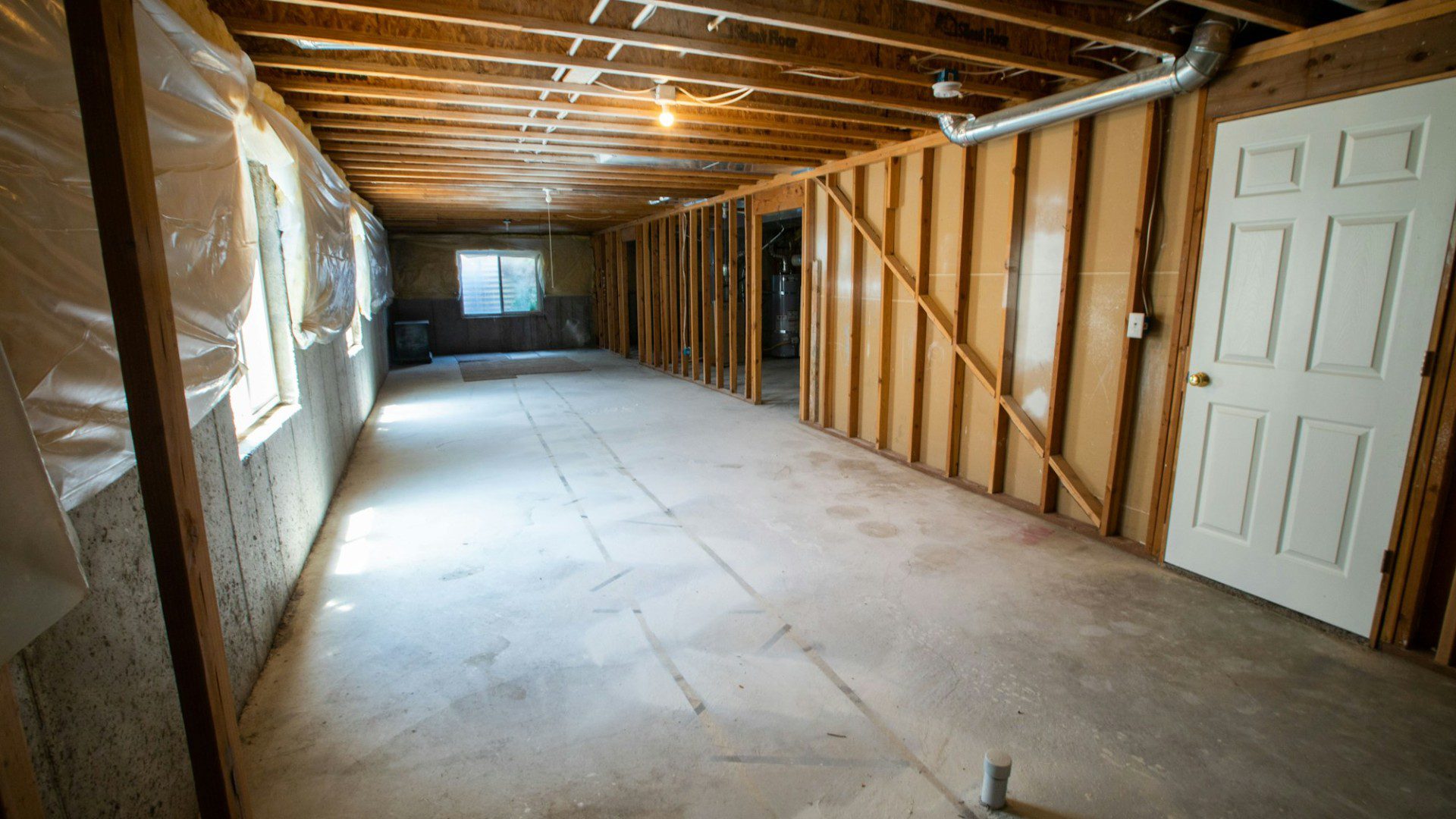
Basements often function as a household’s overflow zone, catching everything that doesn’t have an obvious place elsewhere. The trouble is that “out of sight” tends to mean “out of mind” for years at a stretch, and moisture and humidity down there can quietly damage items you might have otherwise kept.
Here are nine basement categories worth sorting through, so what’s left is actually worth the trip downstairs.
Cardboard Boxes Showing Signs of Moisture Damage
Basements are prone to humidity, and cardboard boxes that have gone soft, warped, or developed a musty smell are a sign that moisture has already gotten in. Look for dark water lines near the bottom, flaps that no longer hold their shape, and fuzzy or spotted patches on the cardboard or on what’s inside.
The EPA’s guide to mold and moisture recommends keeping indoor humidity below 60 percent, ideally between 30 and 50 percent, and notes that absorbent materials may have to be thrown away once they become moldy. An inexpensive humidity gauge will tell you where your basement stands.
Check the contents for damage, and transfer anything worth keeping into plastic bins with sealed lids, which hold up far better in a damp environment than cardboard ever will. Hard items such as glass, metal, and plastic can usually be washed and kept. Set the bins on shelving, not directly on the concrete floor, and put damp or moldy cardboard in the trash.
Old Furniture Waiting for a Purpose
A couch or dresser stored in the basement “just in case” often sits there for years without a defined plan. If you haven’t had a use for it after a long stretch, it’s more likely taking up space than waiting for its moment.
Basement storage is also hard on furniture. Upholstery absorbs damp air and odors, and wood can swell, warp, or grow mildew on the back and underside, where air doesn’t move. Inspect each piece before deciding. Smell the cushions, look underneath and behind for spotting, open every drawer, and check that the joints are still tight.
Give anything you keep a named destination and a date, such as a child’s first apartment next summer. If you can’t name one, sell or donate pieces that are still in decent shape. Call the charity first to ask what condition it requires and whether it offers pickup, since getting a sofa up the basement stairs is the hard part. A piece that smells musty after airing out is a bulk-trash item.
Broken Holiday Lights
Strands of lights with dead sections or bulbs that no longer light up tend to get shoved into a box year after year in the hope they’ll somehow be fixed. Test your lights before the season. Plug in each strand, one at a time, and look it over along its full length.
A single dark bulb on a strand with replaceable bulbs is a simple fix if you still have the spares that came with it. A strand with frayed or cracked insulation, exposed wire, a damaged plug, or loose sockets is not worth repairing and should not be plugged in again. Toss what’s non-functional, and keep only strands that light up fully and reliably.
Ask your local recycling center whether it collects light strings before you put them in the trash; they don’t belong in the curbside bin, where they can tangle in sorting equipment. Store the keepers wound around a piece of cardboard, one strand per wrap, in a lidded bin labeled indoor or outdoor.
Exercise Equipment Turned Storage Rack
A treadmill or weight bench that’s become a place to hang clothes rather than a place to actually exercise is a common basement sight. Be honest about the last time you used it. One fair test is to clear it off, plug it in, and use it three times in the next two weeks. If that doesn’t happen, you have your answer.
If it’s genuinely not getting used for its intended purpose, consider selling it to free up space and recoup a little of the original cost. Before listing it, wipe it down, confirm it powers on, and check the belt, the incline, and the display. Find the model number and mention any faults up front. Large machines sell locally, so say clearly that the buyer needs to bring help and a vehicle, and measure the stairway and doorways first, because some treadmills have to be partly taken apart to get out. Free weights and benches are easier to sell or donate.
Paint and Chemical Containers With No Label
Basements often accumulate cans and bottles of unidentified liquids over the years, which can be both a clutter and a safety issue. If you can’t identify what’s inside, treat it as household hazardous waste and dispose of it through a proper collection program rather than guessing and pouring it down a drain.
The EPA’s household hazardous waste guidance lists pouring products down the drain, on the ground, or into storm sewers as improper disposal. It also warns never to mix products, because incompatible ones can react, ignite, or explode. So don’t combine partial containers to save space. Leave each one closed, stand it upright in a sturdy box or plastic tub, and keep it away from the furnace and water heater until you can take it in.
To find a drop-off, the EPA suggests contacting your local environmental, health, or solid waste agency. For products you’re keeping, it says to leave them in their original containers with the labels on.
Board Games and Puzzles With Missing Pieces
A basement game closet often holds several boxes that are missing key pieces, making them unplayable even if they still look complete on the shelf. Do a quick inventory check. Many games list their contents in the rules or on the box, so count the cards, tokens, dice, and boards against that list. Puzzles take longer, but the piece count is printed on the box, and counting is quicker than assembling.
Before giving up on a favorite, remember that dice, pawns, and a timer are easy to replace from another game. A missing deck or a custom board is not. Check for moisture damage too: warped boards, cards stuck together, and a musty smell that doesn’t air out.
Let go of anything that’s no longer a full, playable set. If you pass an incomplete game along, tape a note to the lid saying what’s missing. For the games you keep, bag the small parts and put a rubber band around the box so the next inventory is quick.
Old Electronics Waiting to Be Recycled
Outdated computers, printers, and other electronics often get relegated to the basement rather than properly disposed of. Most communities have electronics recycling events or drop-off locations specifically for this kind of item, which is a far better outcome than indefinite basement storage.
The EPA’s page on electronics donation and recycling gives two steps to take first: delete all personal information from the device, and remove any batteries, which may need to be recycled separately. It adds that lithium-ion batteries, and devices that contain them, should not go in household garbage or recycling bins.
For a computer, phone, or tablet, that means backing up what you want, signing out of your accounts, and running a full factory reset, not just deleting files. The EPA notes that manufacturers and retailers offer donation and recycling options, and it points to Call2Recycle, Earth911, and Greener Gadgets as places to search. Send each device’s cords and chargers along with it.
Camping or Seasonal Gear in the Wrong Location
Seasonal items that would be more useful stored in a garage or closer to where they’re used sometimes end up buried in the basement instead, making them harder to find when needed. Consider relocating frequently used seasonal gear to a more accessible spot, and let go of gear that hasn’t been used in years regardless of location.
Start by pulling everything out and opening it up. Unroll tents and sleeping bags and check for mildew, a musty smell, sticky or flaking waterproof coating, and broken zippers or poles. Fabric gear that was packed away damp is among the first things a humid basement ruins. Inflate air mattresses and leave them overnight to see whether they hold.
Then sort what’s left by how you use it. Gear for the same kind of trip goes in one labeled bin, so packing means grabbing a bin instead of searching shelves. Store fabric items clean, completely dry, and loosely packed. Gear in good condition that you’ve stopped using can be sold or donated.
Kids’ Toys They’ve Outgrown
Toys moved to the basement “in case a younger sibling wants them” sometimes just sit there long after that possibility has passed. If your kids have moved on and there’s no near-term use planned, donating these toys means someone else’s kids get to enjoy them sooner rather than later.
Sort before you donate. Check that each toy is complete, clean, and working, and open the battery compartments to remove old batteries and look for corrosion. Wash plush toys and anything fabric, and throw out pieces that still smell musty afterward.
Before selling or donating older toys and baby gear, search the Consumer Product Safety Commission’s recall listings for the product name. CPSC’s warnings tell owners not to sell or give away hazardous products. Let each child pick a few favorites to keep, and store those in one labeled bin. Ask the donation center what it accepts before you load the car, since policies on used toys vary.