


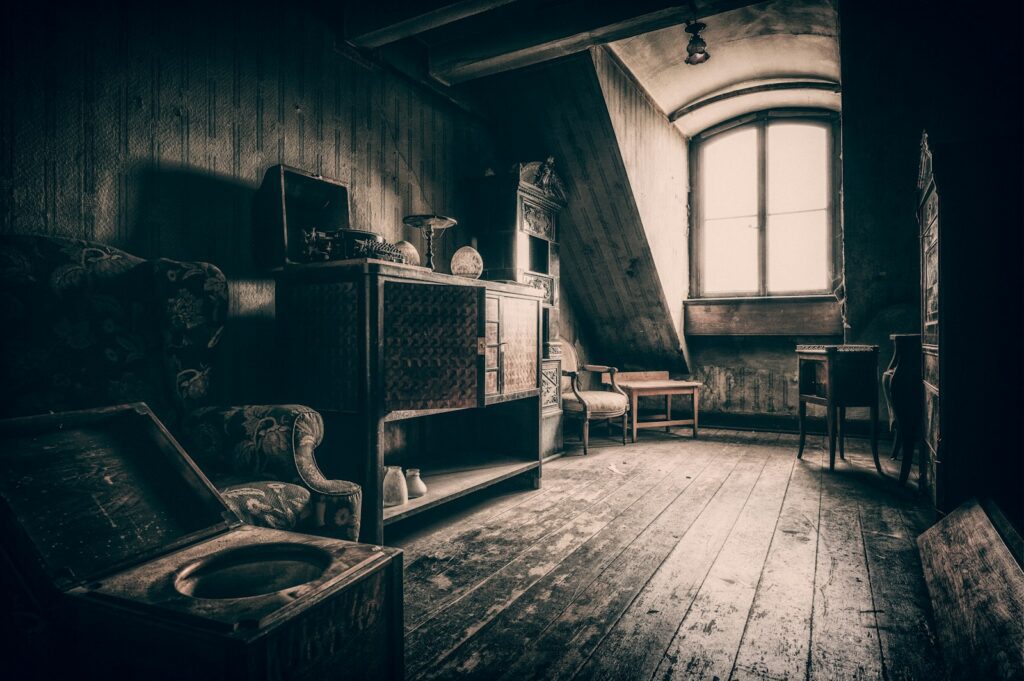
Basements often function as a household’s overflow zone, catching everything that doesn’t have an obvious place elsewhere. The trouble is that “out of sight” tends to mean “out of mind” for years at a stretch, and moisture and humidity down there can quietly damage items you might have otherwise kept.
Here are nine basement categories worth sorting through, so what’s left is actually worth the trip downstairs.


Cardboard Boxes Showing Signs of Moisture Damage
Basements are prone to humidity, and cardboard boxes that have gone soft, warped, or developed a musty smell are a sign that moisture has already gotten in. Check the contents for damage, and transfer anything worth keeping into plastic bins with sealed lids, which hold up far better in a damp environment than cardboard ever will.
Old Furniture Waiting for a Purpose
A couch or dresser stored in the basement “just in case” often sits there for years without a defined plan. If you haven’t had a use for it after a long stretch, it’s more likely taking up space than waiting for its moment. Sell or donate pieces that are still in decent shape.
Broken Holiday Lights
Strands of lights with dead sections or bulbs that no longer light up tend to get shoved into a box year after year in the hope they’ll somehow be fixed. Test your lights before the season, toss what’s non-functional, and keep only strands that light up fully and reliably.
Exercise Equipment Turned Storage Rack
A treadmill or weight bench that’s become a place to hang clothes rather than a place to actually exercise is a common basement sight. If it’s genuinely not getting used for its intended purpose, consider selling it to free up space and recoup a little of the original cost.
Paint and Chemical Containers With No Label
Basements often accumulate cans and bottles of unidentified liquids over the years, which can be both a clutter and a safety issue. If you can’t identify what’s inside, treat it as household hazardous waste and dispose of it through a proper collection program rather than guessing and pouring it down a drain.
Board Games and Puzzles With Missing Pieces
A basement game closet often holds several boxes that are missing key pieces, making them unplayable even if they still look complete on the shelf. Do a quick inventory check, and let go of anything that’s no longer a full, playable set.
Old Electronics Waiting to Be Recycled
Outdated computers, printers, and other electronics often get relegated to the basement rather than properly disposed of. Most communities have electronics recycling events or drop-off locations specifically for this kind of item, which is a far better outcome than indefinite basement storage.
Camping or Seasonal Gear in the Wrong Location
Seasonal items that would be more useful stored in a garage or closer to where they’re used sometimes end up buried in the basement instead, making them harder to find when needed. Consider relocating frequently used seasonal gear to a more accessible spot, and let go of gear that hasn’t been used in years regardless of location.
Kids’ Toys They’ve Outgrown
Toys moved to the basement “in case a younger sibling wants them” sometimes just sit there long after that possibility has passed. If your kids have moved on and there’s no near-term use planned, donating these toys means someone else’s kids get to enjoy them sooner rather than later.