


The empty nest phase comes with a lot of advice about feelings and not nearly enough advice about the sheer volume of stuff that gets left behind. Bedrooms turn into shrines, closets stay frozen in time, and garages fill up with bikes nobody’s ridden since middle school. It feels disrespectful to touch any of it, so it just sits there, year after year, while the room that could be a home office or guest space stays a monument to 2014.
Parents who’ve been through this stage for a while tend to look back with a specific kind of regret: not that they let go of too much, but that they held onto so much for so long that it became its own burden. Here’s what people most often wish they’d dealt with sooner.


Every Sports Trophy and Participation Medal
A shelf, box, or entire closet devoted to trophies from years of youth sports feels important to preserve in the moment, but most parents eventually realize their adult child has zero interest in a stack of plastic hardware from rec league soccer. Keeping a couple of standout achievements while photographing and releasing the rest tends to feel like plenty in hindsight, and it frees up real shelf space that ends up going unused for years otherwise.
The Complete Childhood Bedroom Setup
Leaving a kid’s bedroom exactly as it was the day they left for college can feel like keeping a piece of them close, but many parents later regret how long they let a spare room sit unused because they were emotionally stuck on preserving it exactly as-is. A room can honor the memory of who grew up there while still being repurposed into something useful for the household’s current needs. The bed and a few meaningful items can move with them or get stored small; the room doesn’t have to stay frozen indefinitely.
Boxes of School Papers, Tests, and Binders
Report cards, old worksheets, and binders full of completed assignments accumulate over twelve-plus years of school, and it’s easy to keep all of it because sorting through it feels overwhelming. In hindsight, most parents wish they’d done the harder work of paring it down early, keeping only a meaningful sample rather than every single spelling test, because the full volume becomes an even bigger project to tackle later.
Old Textbooks and School Supplies
Stacks of outdated textbooks, unused notebooks, and school supplies left behind after graduation rarely get revisited, yet they take up serious shelf and closet space for years. Textbooks in particular lose value and relevance quickly as editions change, so the resale window closes fast. Most parents realize, often years too late, that these could have been sold, donated, or recycled immediately rather than stored indefinitely just in case.
Broken or Outgrown Bikes and Sports Equipment
A garage full of bikes with flat tires, outgrown cleats, and sports equipment from long-abandoned activities is one of the most common regrets parents mention once their kids are grown. These items rust, take up prime garage space, and rarely get repaired once they’ve been sitting for a year or more. Donating usable gear promptly, rather than assuming a younger sibling or future grandchild might someday use it, tends to be the move people wish they’d made sooner.
Baby Gear Kept “For the Grandkids”
Cribs, car seats, and other baby equipment often get stored for years in the hope of future grandchildren, but safety standards for these products change over time, and items can also simply wear out or expire. Federal safety regulators have updated crib safety standards in ways that make some older models unsafe for use regardless of how well they were maintained. Parents who kept this gear for a decade or more often find it can’t safely be used anyway, making the years of storage space feel like a waste in hindsight.
Stuffed Animals and Toy Collections
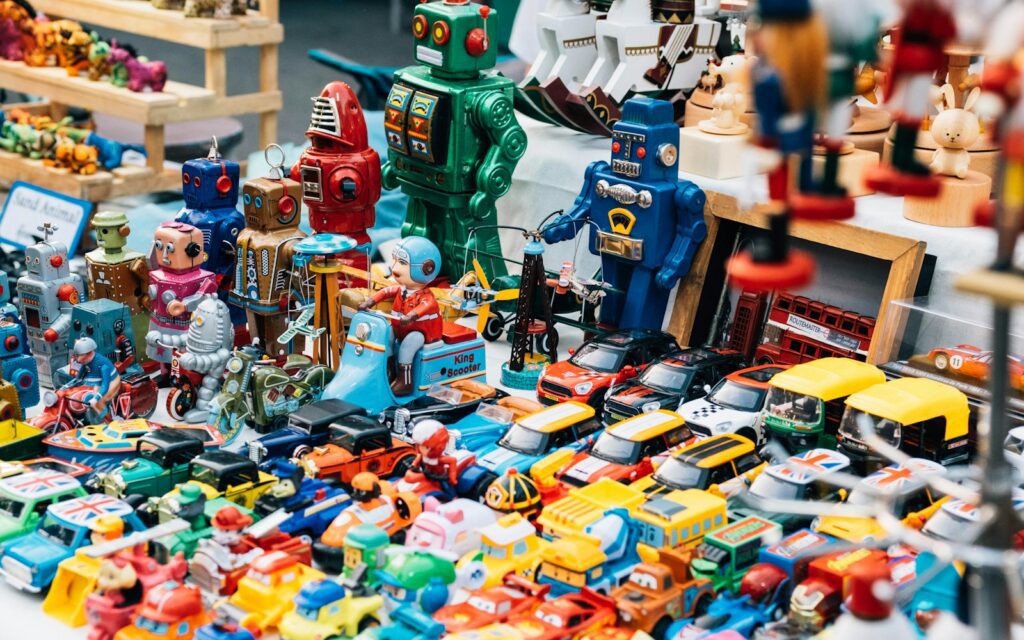
A closet or bin system devoted to childhood toys and stuffed animals is common in homes with grown kids, but most of these items don’t hold sentimental weight for the adult child the way parents assume they will. Parents often admit later that they were the ones attached to the toys, not their now-grown kids, and that donating the bulk of the collection earlier would have freed up meaningful storage without any real loss.
Furniture Sized for a Child in a Grown Household
A twin bed, a small desk, or a kid-sized dresser can linger in a spare room for years after it’s actually needed, simply because replacing it feels like an unnecessary expense or hassle. In hindsight, many parents wish they’d upgraded the room to serve the household’s current needs, whether that’s a guest room, office, or hobby space, rather than letting child-sized furniture sit unused indefinitely.
Closets Full of “Maybe They’ll Come Back For It” Clothes
Clothes left behind after a move-out often get kept in closets for years under the assumption that the adult child will eventually want them back. In practice, most of these items are outgrown in style or simply forgotten by the person who left them. A single conversation asking directly what to keep, followed by a real deadline to donate the rest, tends to be the approach people wish they’d taken from the start instead of storing it indefinitely by default.