


Every homeowner has had that “should I just dump this in the sink?” moment. Plumbers say those split-second decisions are exactly how expensive clogs and backups start, and recent reporting on things you should never pour down the drain backs them up. From paint to bacon fat, the list of everyday culprits is longer than most people realize, and knowing the worst offenders can save both pipes and repair bills.
1) Paint

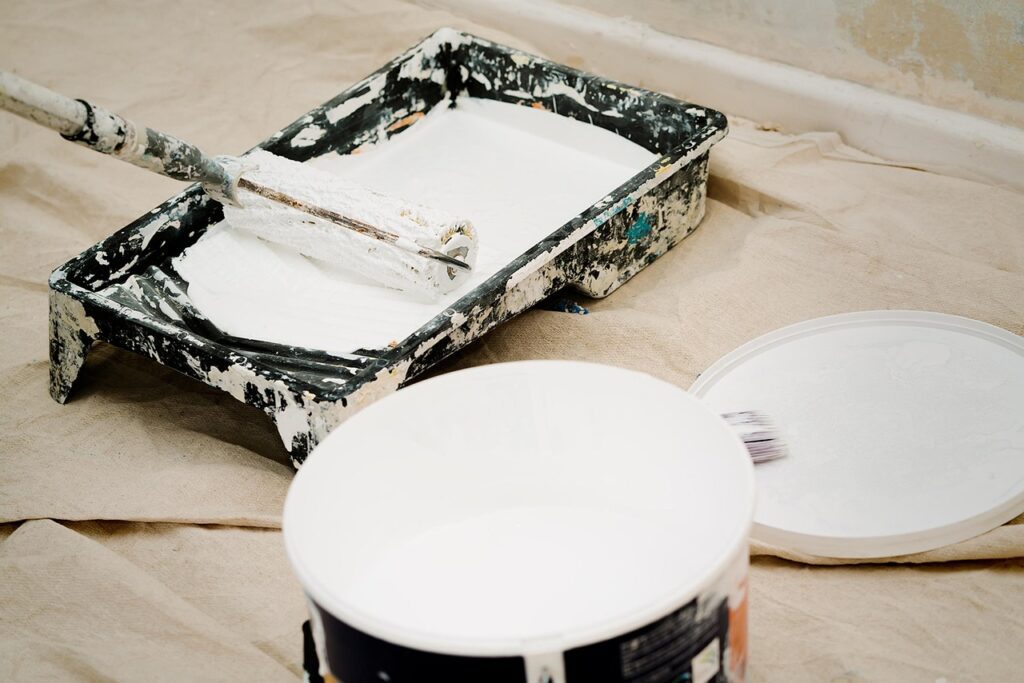
Paint is the first thing plumbers flag as a hard no for any household drain. Reporting on what professionals avoid explains that liquid Paint can cling to the inside of pipes, harden, and create a rough surface that traps everything else. One plumbing expert, Jan Cherniak, warns that rinsing brushes in the sink can set up “future repairs” long after the paint job looks finished.
Another guide on what can go down a drain notes that even small amounts of paint can immediately cause problems in household plumbing and at treatment plants, which are not designed to filter out those chemicals. Instead of tipping leftover paint into the sink, plumbers suggest drying out small quantities with kitty litter and taking larger volumes to a hazardous waste site. The stakes go beyond one clogged trap, since those materials can move into local waterways.
2) Fats, Oils, and Grease
Fats, Oils, and Grease, often shortened to FOG, are a drainage technician’s “worst nightmare” because they behave nicely when hot and then turn into pipe-clogging sludge as they cool. A detailed breakdown of Grease problems explains that bacon fat, cooking oil, and butter coat the inside of pipes, then catch food scraps and create rock-hard blockages.
Other plumbing advisories echo that FOG is estimated by the EPA to be a leading cause of sewer overflows, which means one pan of fried chicken drippings can contribute to neighborhood-wide backups. Professionals recommend wiping greasy pans with paper towels before washing and pouring cooled grease into a disposable container instead of the sink. For homeowners, the implication is simple: treating Fats, Oils, and Grease like trash, not wastewater, can prevent both kitchen clogs and costly municipal repairs.
3) Coffee Grounds
Coffee Grounds look harmless, but plumbers consistently list them among the top items that should never hit a drain. One consumer guide on everyday kitchen habits notes that grounds do not dissolve in water and instead clump together, settling in the trap and further down the line. Over time, those dense particles mix with Fats, Oils, and Grease to form a kind of plumbing concrete that is difficult to clear without professional equipment.
Additional reporting focused on coffee specifically explains that even if a garbage disposal is involved, the blades simply chop the Coffee Grounds into smaller, equally stubborn bits. For households that brew daily, that habit quietly builds up until sinks drain slowly or stop altogether. Plumbers suggest tossing grounds into the trash or compost instead. The broader trend they point to is that anything granular and insoluble, no matter how small, can become a long-term liability inside pipes.
4) Eggshells
EGGSHELLS are another breakfast staple that plumbers say should stay far away from the sink. A municipal handout on drain safety warns that even when EGGSHELLS are crushed, the bits combine with other debris to create blockage in the line. The document stresses that the thin membrane inside each shell can wrap around disposal blades, reducing their effectiveness and forcing the motor to work harder.
That same guidance explains that people often assume a powerful disposal will grind EGGSHELLS into a harmless powder, but in practice the fragments settle in the trap and bends where flow is already slower. Over months, that buildup narrows the pipe and catches grease and Coffee Grounds. For homeowners, the takeaway is that the garbage can or compost bin is the only safe destination, and ignoring that advice can shorten the life of an expensive disposal unit.
5) Fibrous Vegetables
Fibrous Vegetables like celery and onion skins might seem like ideal candidates for the disposal, yet plumbers say they are classic clog starters. Reporting on what professionals avoid highlights that these Fibrous Vegetables shred into long strings that wrap around disposal blades and form nets inside pipes. Once that tangle is in place, it traps everything from potato peels to stray utensils.
Another guide on what not to put down drains notes that foods like celery and onion can become a separate clogging risk even without grease present, simply because the fibers do not break down quickly in water. For families that cook a lot of soups or stir-fries, that habit can quietly undermine the plumbing system. Plumbers recommend scraping those trimmings into the trash or compost instead, pointing out that the cost of one service call easily outweighs the convenience of rinsing them away.
6) “Flushable” Wipes
“Flushable” Wipes are marketed as drain friendly, but plumbers and wastewater managers repeatedly say the label is misleading. A homeowner fact sheet listing what not to put down drains explains that wipes, even when labeled Flushable, do not disintegrate like toilet paper and instead stay intact as they move through pipes. Those tough sheets snag on small imperfections, tree-root intrusions, or existing buildup, quickly forming stubborn clogs.
Another overview of common problem items notes that wipes are a major factor in so-called “fatbergs,” the massive sewer blockages made of Fats, Oils, and Grease fused with non-biodegradable materials. For individual households, that can mean frequent toilet backups and emergency calls; for cities, it translates into higher maintenance costs that eventually show up in utility bills. Plumbers advise treating all wipes, including baby and cleaning versions, as trash only, regardless of what the packaging promises.
7) Paper Towels and Cotton Products
Paper towels, cotton balls, and similar products might look like thicker versions of toilet paper, but they behave very differently once they hit the water. A plumbing advisory on Things That Should notes that these materials are designed to stay strong when wet, so they swell up and wedge themselves in narrow sections of pipe. Once lodged, they act like a dam for hair, grease, and other debris.
Wastewater experts point out that cotton swabs and cosmetic pads are especially problematic because their small size encourages people to flush them without thinking. Over time, those items accumulate in bends and joints, leading to slow drains and overflows. For homeowners, the implication is that only human waste and toilet paper should ever go down toilets or bathroom sinks. Everything else, from makeup wipes to paper towels used on kitchen counters, belongs in a trash can.
8) Harsh Chemical Cleaners
Harsh Chemical Cleaners promise to melt clogs, but plumbers often see them as a short-term fix that creates long-term damage. A guide on what not to put down drains lists Chemical Cleaners alongside Grease and wipes as substances that can harm both pipes and septic systems. The strong acids and alkalis in these products can corrode older metal plumbing, weaken seals, and generate heat that warps plastic lines.
Another homeowner resource warns that when Chemical Cleaners fail to clear a blockage, they leave a pool of caustic liquid sitting in the pipe, turning routine repairs into hazardous work for technicians. That risk is one reason many plumbers recommend mechanical methods like plungers or drain snakes instead. For households, relying less on harsh formulas and more on prevention, including keeping Fats, Oils, and Grease out of the sink, can protect both infrastructure and the people who maintain it.
9) Medications
Medications are not the first thing people think about when they picture clogged pipes, yet plumbers and environmental agencies agree they should never be flushed or poured down a sink. A utility district’s list of items to avoid specifically warns against You flushing or draining unused medication, noting that treatment plants are not equipped to remove many pharmaceutical compounds. Those substances can pass through into rivers and lakes, where they affect fish and other wildlife.
Additional guidance on what can safely go down drains explains that while a single pill might not clog a pipe, the broader impact of Medications in wastewater is the real concern. Traces of antibiotics, hormones, and painkillers have been detected in surface water, raising questions about long-term ecosystem health. Plumbers and environmental officials alike urge residents to use drug take-back programs or approved disposal methods instead of the sink, framing it as a simple step that protects both plumbing and public water supplies.
More from Decluttering Mom: