


Some houses seem to stay tidy with what looks like minimal effort, and others turn back into chaos within an hour of being cleaned, no matter how hard you scrub. Most of the time, the difference isn’t how much cleaning is happening — it’s what the house is working against. Certain features, habits, and pieces of furniture quietly multiply the amount of upkeep a space needs, turning a quick wipe-down into an ongoing battle.
The good news is that most of these are fixable, or at least manageable once you can see them clearly. Here are nine of the biggest culprits behind a house that never quite feels clean, even when you’ve just cleaned it.

Wall-to-Wall Carpet in High-Traffic Areas
Carpet is cozy underfoot, but it also acts like a sponge for dust, pet dander, dropped crumbs, and outdoor grime tracked in on shoes. Unlike a hard floor, none of that sits on the surface where a quick sweep picks it up — it works its way down into the fibers and stays there until a proper vacuum or deep clean pulls it back out. Dust mites in particular thrive in the fibers, and the Asthma and Allergy Foundation of America notes they’re one of the most common indoor allergy triggers in homes. Entryways, hallways, and living rooms are the worst spots for this, since they see the most foot traffic and the least attention.
Too Many Small Decorative Objects
A shelf full of candles, frames, figurines, and knickknacks looks charming in photos and dreadful in practice, because every single item is a separate surface that collects dust and has to be individually picked up, wiped under, and set back down. Ten decorative objects don’t take ten times as long to dust as one — they take more like twenty, because you’re also navigating around them instead of wiping a clear surface in one pass.
Open Shelving in the Kitchen
Open shelves look bright and airy in design photos, but every plate, bowl, and glass sitting out is exposed to cooking grease, airborne dust, and splatter in a way that closed cabinets simply prevent. What would be a once-a-month cabinet wipe-down becomes a weekly ritual of rewashing dishes that were technically already clean before they ever touched food.
Textured or Popcorn Ceilings
Ceilings rarely make anyone’s cleaning list, which is exactly why textured or popcorn-style ceilings become such a problem — dust and cobwebs settle into all those tiny grooves and bumps, and by the time anyone notices, it’s a much bigger job than a swipe with a duster. Smooth ceilings let dust rest lightly on the surface where it’s easy to catch; textured ones trap it.
A Kitchen Sponge That Never Gets Replaced
The sponge sitting by the sink is arguably one of the germiest objects in the entire house, since it’s perpetually damp and constantly picking up food residue — the exact conditions bacteria need to multiply. Research on household kitchen sponges has repeatedly found dense bacterial growth inside them, even ones that look and smell fine. Using the same sponge for weeks to “clean” counters and dishes can mean you’re spreading around more than you’re removing, which undoes a lot of the actual scrubbing effort.
Long-Pile Area Rugs Near Entry Points
Similar to wall-to-wall carpet, a shaggy or long-pile rug placed right inside a door looks inviting but functions like a dirt trap with a welcome mat’s job and none of its durability. The longer the fibers, the more surface area there is for grit and moisture to hide in, and the harder it is to actually get a vacuum brush deep enough to pull it back out.
Clutter Piled on Flat Surfaces
Countertops, dressers, and tables covered in mail, mugs, and miscellaneous items aren’t just visually messy — they physically block you from wiping the surface underneath. Every session of tidying becomes a two-step process of moving the clutter, cleaning what’s under it, and then deciding what to do with the clutter, which is exactly the kind of friction that makes people skip cleaning a surface altogether.
Too Many Throw Pillows and Blankets
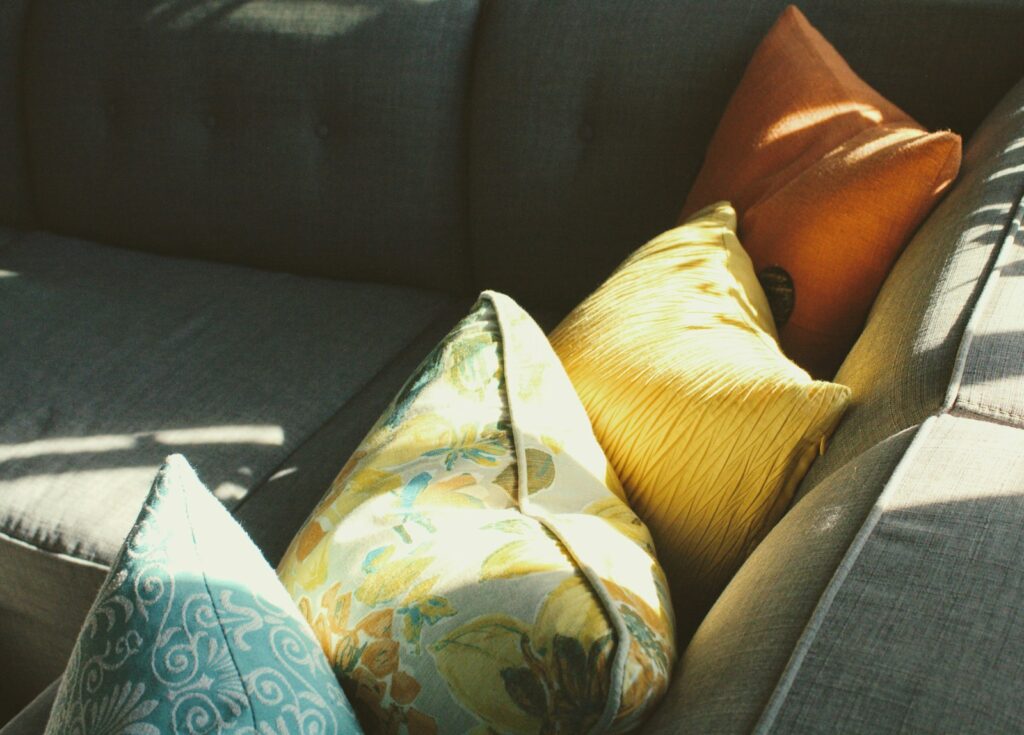
A couch buried in a dozen decorative pillows and three folded throws looks styled for a catalog, but each one needs to be moved before you can vacuum the cushions underneath, and each one collects its own layer of dust, pet hair, and body oils that needs regular washing. What was meant to make a room feel cozy ends up adding an entire extra category of laundry and surface-clearing to the weekly routine.
Grout Lines Left Unsealed
Unsealed grout between tiles is porous, which means it soaks up spills, soap scum, and moisture instead of letting them wipe away from the surface. Once grime works its way in, a simple wipe-down stops being enough, and you’re stuck scrubbing with a brush or specialty cleaner just to get bathroom and kitchen tile back to looking presentable. Sealing grout periodically closes off that porous surface and keeps day-to-day cleaning fast instead of a project.