


Summer’s arrival is often welcomed with open arms, but that doesn’t mean you’re ready for the blistering heat that it brings along. That’s where our trusty air conditioner comes in, working hard to keep our homes cool and comfortable. But are you unintentionally making its job harder?
Based on expert advice and common homeowner mistakes, we’ve gathered nine ways you could be inadvertently causing your air conditioner to work overtime. By the end of this article, you’ll understand how to optimize your cooling system and keep your home comfortable while saving energy and money.

Ignoring Regular Maintenance
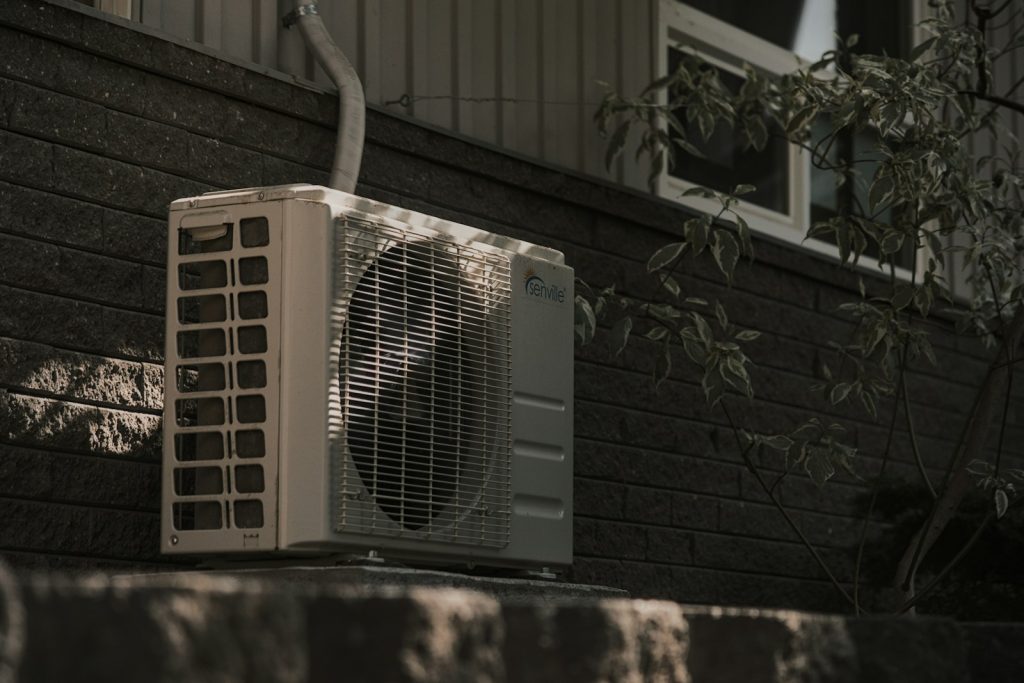
Your air conditioner needs regular check-ups just like your car. Ignoring this can lead to reduced efficiency, increased energy costs, and even unexpected breakdowns. Regular cleaning and servicing can help identify potential issues before they become major problems.
Experts recommend scheduling professional maintenance once a year, preferably before the cooling season begins. This service typically includes cleaning the coils, checking the refrigerant level, and inspecting electrical components.
Blocking Air Vents
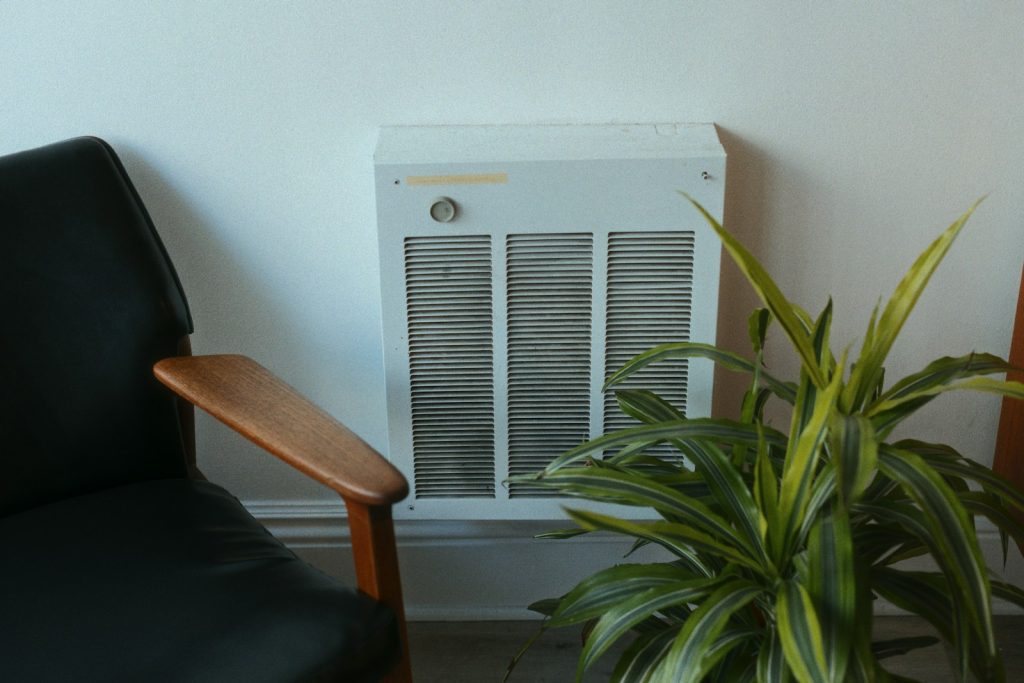
It’s an easy mistake to make: you rearrange your furniture and inadvertently block one or more of your home’s air vents. However, blocked vents can restrict airflow, forcing your air conditioner to work harder and possibly leading to damage over time.
Always ensure that your air vents are clear of obstructions. This may involve strategic furniture placement and regular cleaning to remove dust and debris from the vents.
Setting the Thermostat Too Low
On a particularly hot day, it can be tempting to crank the thermostat down in hopes of cooling your home faster. However, this doesn’t actually speed up the cooling process and only causes your AC to work harder and longer.
Instead, set your thermostat to a comfortable, consistent temperature. The U.S. Department of Energy suggests 78 degrees Fahrenheit when you’re home and awake, and higher when you’re away or asleep.
Forgetting to Change the Filter
The air filter in your AC unit is a crucial component that helps maintain indoor air quality while protecting the equipment from dust and debris. A dirty or clogged filter can restrict airflow and make your system work harder to keep your home cool.
Make it a habit to check your filter monthly and replace it every 60 to 90 days, or more frequently if you have pets or allergies.
Running Your AC 24/7
While it may be tempting to keep your air conditioner running all day and night, this can lead to excessive wear and tear and higher energy bills. Your AC needs time to rest, just like you do!
Consider using a programmable thermostat or smart home system to schedule cooling times based on when you’re usually home and awake. And remember, ceiling fans can help circulate cool air, reducing the need for constant AC.
Ignoring Window Coverings
Natural daylight can beautify a room, but too much of it can also heat your home and make your AC work harder. That’s where window coverings come in handy.
Use blinds, curtains, or shades to block out the sun’s rays during the hottest part of the day. Thermal insulating window films are also a great option that can help reduce heat gain in your home.
Not Sealing Leaks
Even small leaks around doors and windows can allow cool air to escape from your home, making your air conditioner work harder to maintain a comfortable temperature.
Inspect your home for any potential leaks and seal them using weatherstripping or caulk. You’ll not only save energy but also increase the comfort of your home.
Overloading Your Home with Heat-Producing Appliances
Everyday tasks like cooking, doing laundry, or running the dishwasher can add extra heat to your home, prompting your air conditioner to work harder.
Try to schedule these tasks for cooler times of the day, like early morning or late evening. Using smaller appliances like a toaster oven or slow cooker can also help reduce heat output.
Ignoring Your Home’s Insulation
Proper insulation is key to maintaining a consistent temperature in your home. Without it, cool air can easily escape, causing your AC to run more frequently and less efficiently.
Check your attic, walls, and floors to make sure they’re adequately insulated. Investing in better insulation can lead to significant energy savings in the long run.
Mastering these tips will not only help your air conditioner function more efficiently but also extend its lifespan. Remember, small changes can have a big impact on your home’s comfort and your energy bills. So, why not start today and give your air conditioner the break it deserves? Your pocketbook—and your cool, comfortable home—will thank you.