

It’s unsettling to realize that a once-inspiring figure can fade into the background, becoming a mere spectator in his own life. A 93-year-old grandfather built his life from nothing but somehow ended up losing everything—including the connection with his family. This story raises questions about legacy, care, and the way family dynamics can shift dramatically over time.
This grandfather’s journey began in a different world. Born into a family of landlords, he had wealth and status, but a sudden tragedy struck when he lost both parents within days due to a plague sweeping through his village. Instead of claiming the land or the wealth he could have inherited, he chose a path of self-reinvention, moving to Delhi with hopes of starting fresh. He got married, passed railway examinations, and over time, built a new life entirely on a government salary. His determination paid off as he managed to educate his four sons, each attending the Delhi College of Engineering.

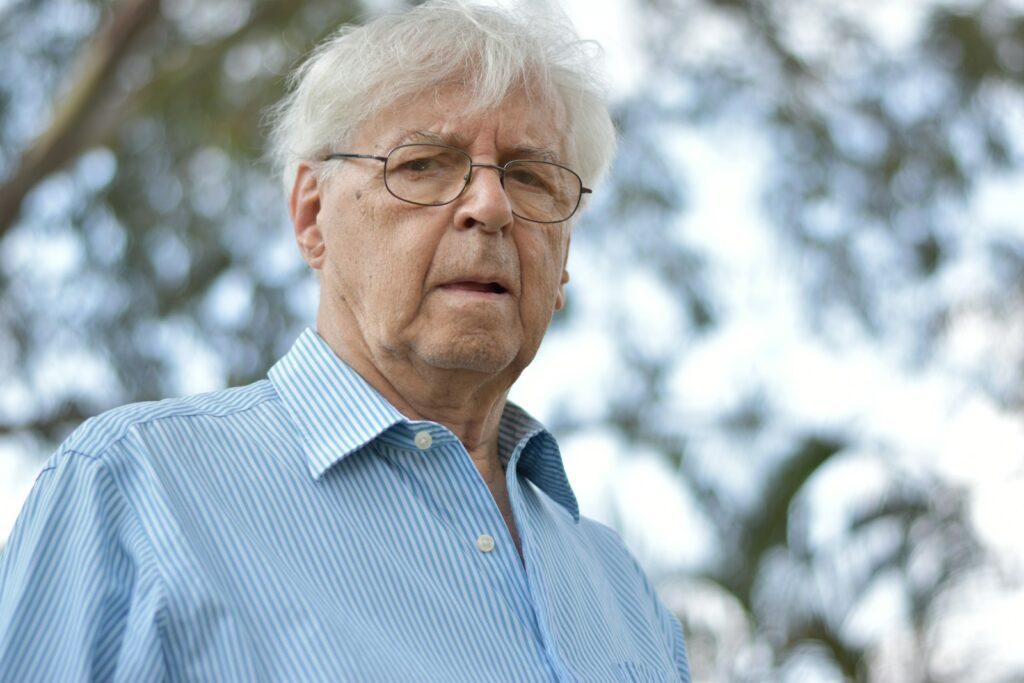
Despite the remarkable achievements of his earlier years, the grandfather’s later life presents a stark contrast. One mom, reflecting on her family’s situation, noted that he has become increasingly passive. His wife, along with their unmarried son and eldest daughter, seemed to run the household. Decisions that should have stemmed from him now originate from those around him, with him merely signing off or nodding in agreement. It’s as if he’s given up his role as decision-maker and instead becomes a figurehead, absent from the active participation in his life.
A deep sense of loneliness seems to envelop him. The family members closest to him are accused of exploiting that loneliness, using him as a pawn in their own familial games. It’s a painful realization for this mom, who once found inspiration in her grandfather’s resilience. She thinks about how no one seems to truly care for him anymore, and that neglect is painful to observe. His existence has become a shadow of what it once was, where real affection gives way to convenience and manipulation.
People had very different reactions to this situation online. Some expressed sympathy for the grandfather, noting the sadness of seeing someone who overcame so much reduced to being a passive participant in his own life. Others pointed out that the familial roles and expectations could trap even the strongest of individuals, leading them to relinquish their agency over time. There were also those who noted the irony of someone who built a legacy now witnessing it become hollowed out by those who should be cherishing it the most.
As one mom shared her thoughts, the conversation turned more reflective. Many highlighted the complexity of family dynamics and how they can shift as circumstances change. What was once a close-knit family can turn into a space filled with neglect and manipulation. It raised questions about responsibility and genuine care versus obligation, pushing readers to think about their own family relationships.
It’s troubling to think that someone who faced so much adversity now may only be seen as a means to an end by those meant to care for him. There’s a keen sadness in the realization that he might prefer to be a pawn rather than confront the loneliness of his situation. What does it mean to have sacrificed so much just to be surrounded by people who may not have his best interests at heart? This is the uncomfortable truth lingering in the air.
The dialogue brings to light the painful reality of familial duty versus emotional connection. It beckons the question: At what point does love and care get overshadowed by expectations and convenience? As this grandfather approaches his final days, one can only wonder what reflections he might have on a life filled with struggle and eventual surrender.
More from Decluttering Mom: