As a homeowner, ensuring the safety of your home and its surrounding environment is paramount. More than just the routine maintenance and repair, keeping your outdoor space safe from potential dangers is a responsibility that should not be overlooked.
Outdoor hazards can cause significant damage to your property, harm to your family and pets, and can even decrease the value of your home. This post will guide you through 13 outdoor dangers every homeowner should be aware of, and offer tips on how to mitigate these risks.
1. Falling Trees and Branches

Trees can add a touch of nature to your home, providing shade and a habitat for birds. But they can also pose a significant danger if not properly maintained. Dead or dying trees can easily be toppled by strong winds, causing damage to your home or potentially injuring someone. Similarly, large, overhanging branches can break and fall, posing a similar risk.
To mitigate this danger, have your trees regularly inspected and pruned by a professional. This not only keeps them healthy and beautiful but also reduces the risk of falling branches or trees. And if a tree is dead or dying, don’t hesitate to have it removed. The cost of tree removal is far less than the potential damage it could cause.
2. Inadequate Outdoor Lighting

A poorly lit exterior not only increases the risk of trips and falls, but it can also make your home an attractive target for burglars. Accidents can easily happen when you or a guest can’t see the path or steps clearly, and dark corners can provide perfect hiding spots for intruders.
To keep your outdoor area safe, ensure that all paths, steps, and entrances are well lit. Consider installing motion sensor lights to deter would-be burglars and light up areas only when needed, saving on energy. Solar-powered path lights are an eco-friendly and cost-effective solution for illuminating walkways.
3. Poorly Maintained Decks and Balconies

Decks and balconies can provide a great outdoor space for relaxing and entertaining. However, if not properly maintained, they can become a safety hazard. Rotting wood, rusty nails, and weak railings can all lead to serious accidents.
Regularly inspect your decks and balconies for signs of wear and tear. Replace any damaged or rotting wood, ensure that all fasteners are secure, and make sure railings are sturdy. It’s also a good idea to have a professional inspect your deck or balcony periodically to ensure it’s structurally sound.
4. Pools and Spas

Pools and spas are great for cooling off during the summer, but they can also be a major safety hazard, especially for young children. Drowning is a leading cause of death for children under five, and most of these drownings occur in home swimming pools.
Ensure your pool or spa is secured with a fence that is at least 4 feet high, with a self-closing, self-latching gate. Additionally, consider installing a pool alarm that will alert you if someone enters the pool area. Always supervise children around water, and ensure they know how to swim or wear approved flotation devices.
5. Pesticide Use
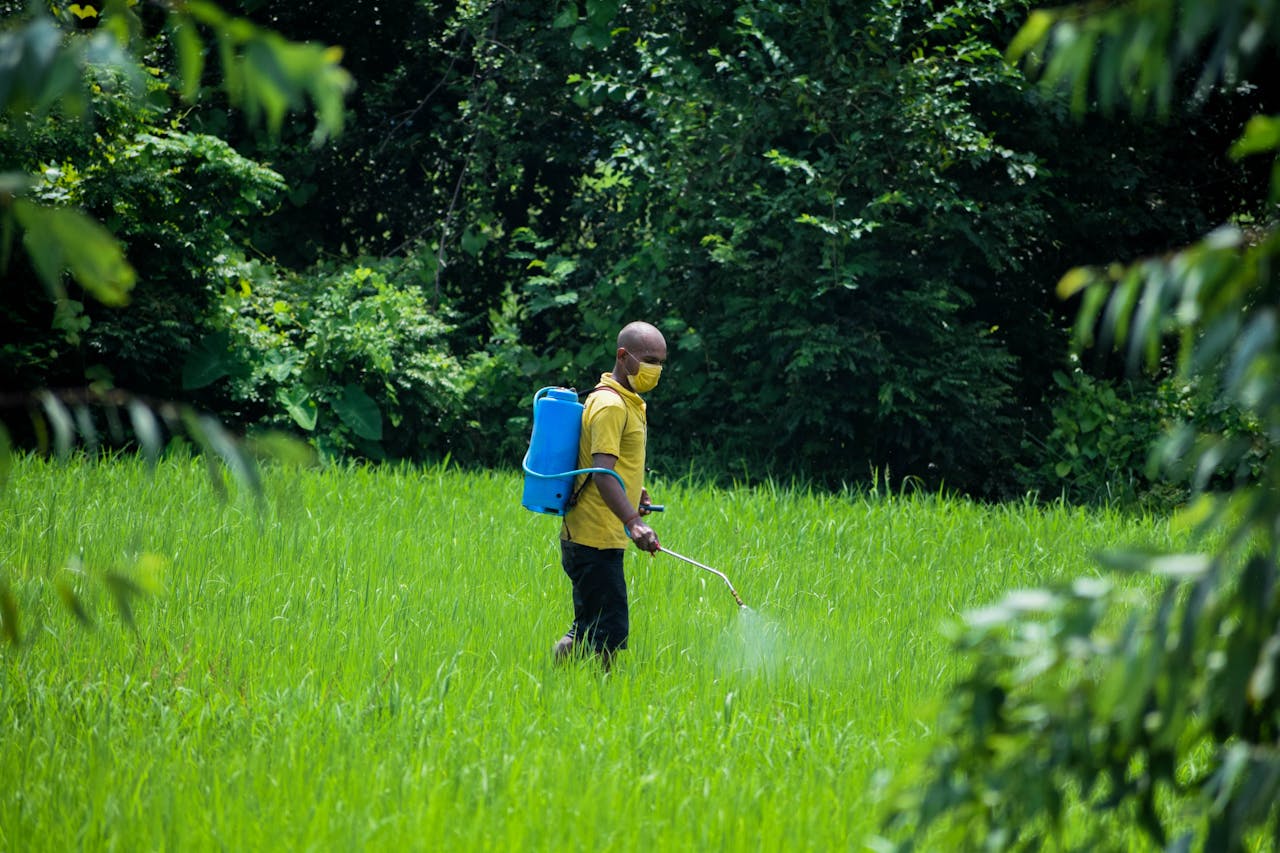
While pesticides can help keep your garden free of pests, they can also pose a risk to humans and pets if not used correctly. Exposure to pesticides can cause a range of health problems, from minor skin irritation to serious illnesses like cancer.
Follow all instructions on pesticide labels, and only use them as directed. Store pesticides out of reach of children and pets, and consider using natural pest control methods where possible. Always wear protective clothing when applying pesticides, and ensure the area is well ventilated.
6. Unsecured Garden Tools

Garden tools left lying around can pose a tripping hazard, and sharp tools can cause serious injury if accidentally stepped on or handled improperly.
Make a habit of storing your garden tools in a secure location after each use. Not only will this prevent accidents, but it will also prolong the life of your tools. A garden shed or a dedicated area in your garage is ideal for this purpose.
7. Broken or Uneven Pavements

Broken or uneven pavements can be a trip hazard. They can also collect water, making them slippery and dangerous.
Regularly inspect your pavements for any damage and repair them as soon as possible. If a pavement is uneven, consider having it leveled or replaced. In the meantime, warn visitors of the hazard to prevent falls.
8. Poisonous Plants

Some common garden plants can be dangerous if ingested or touched. Oleander, for example, is highly toxic, while poison ivy can cause a severe skin reaction.
Know what plants you have in your garden and whether they pose a risk to humans or pets. Consider removing poisonous plants, especially if you have children or pets who may come into contact with them.
9. Fire Pits
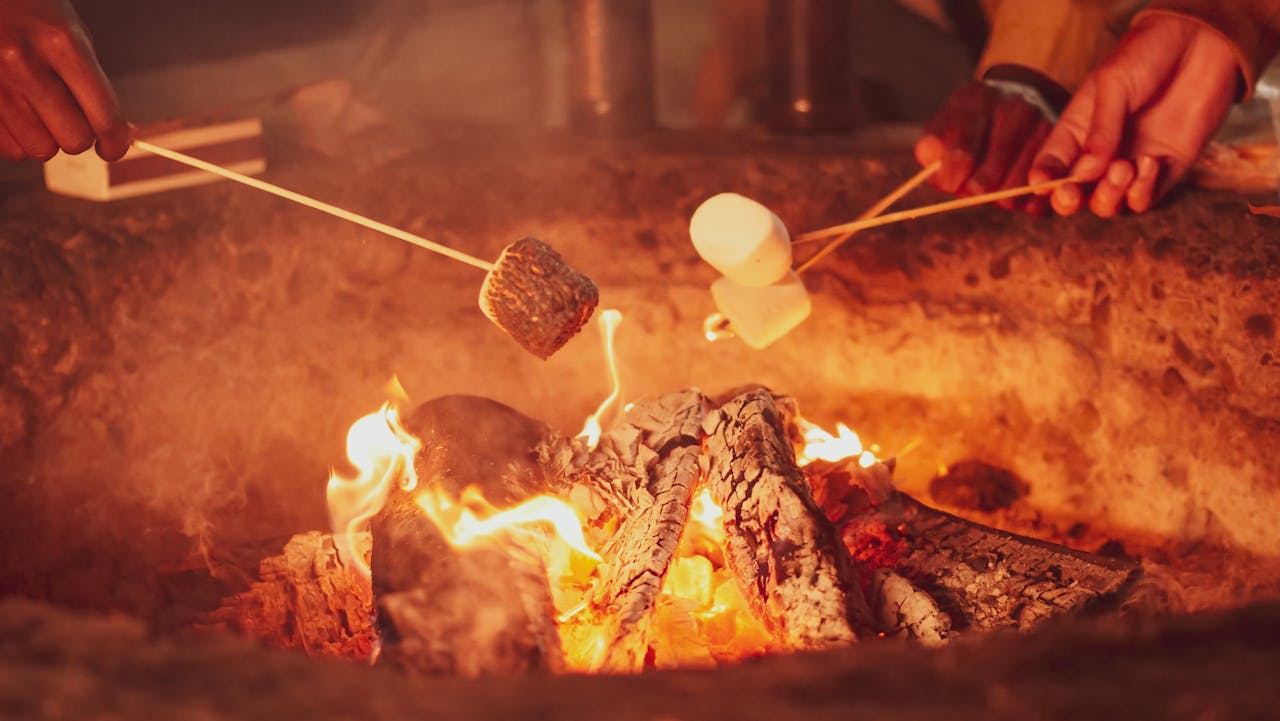
Fire pits are a popular addition to many gardens, but they can easily cause a fire if not used correctly. Sparks can ignite nearby plants or structures, and children or pets can accidentally come into contact with the fire.
Ensure your fire pit is placed well away from any structures or flammable materials. Keep a fire extinguisher or a bucket of water nearby in case of an emergency, and never leave a fire unattended.
10. Unprotected Windows

Windows at ground level can be a weak point in your home’s security, providing an easy entry point for burglars.
Consider installing window bars or security film to make your windows more secure. Alternatively, plant prickly shrubs beneath windows to deter intruders.
11. Barbecues

Barbecues are a staple of outdoor living, but they can also be a fire hazard. Fat drippings can ignite, causing a flare-up that can quickly get out of control.
Clean your barbecue regularly to prevent fat build-up. Never leave a barbecue unattended while it’s in use, and always have a fire extinguisher on hand.
12. Garden Chemicals

Garden chemicals, such as fertilizers and weed killers, can be harmful if ingested or if they come into contact with skin.
Store garden chemicals out of reach of children and pets, and follow all safety instructions on the label. Use gloves and other protective clothing when applying these products.
13. Stagnant Water

Stagnant water in your garden can attract mosquitoes, which can transmit diseases like Zika, West Nile virus, and dengue fever.
Regularly empty any containers that collect water, like bird baths or plant saucers. If you have a pond, consider installing a fountain or waterfall to keep the water moving.
Owning a home comes with many responsibilities, and ensuring the safety of your outdoor space is a critical one. By being aware of these potential hazards and taking steps to mitigate them, you can enjoy your outdoor space with peace of mind.