


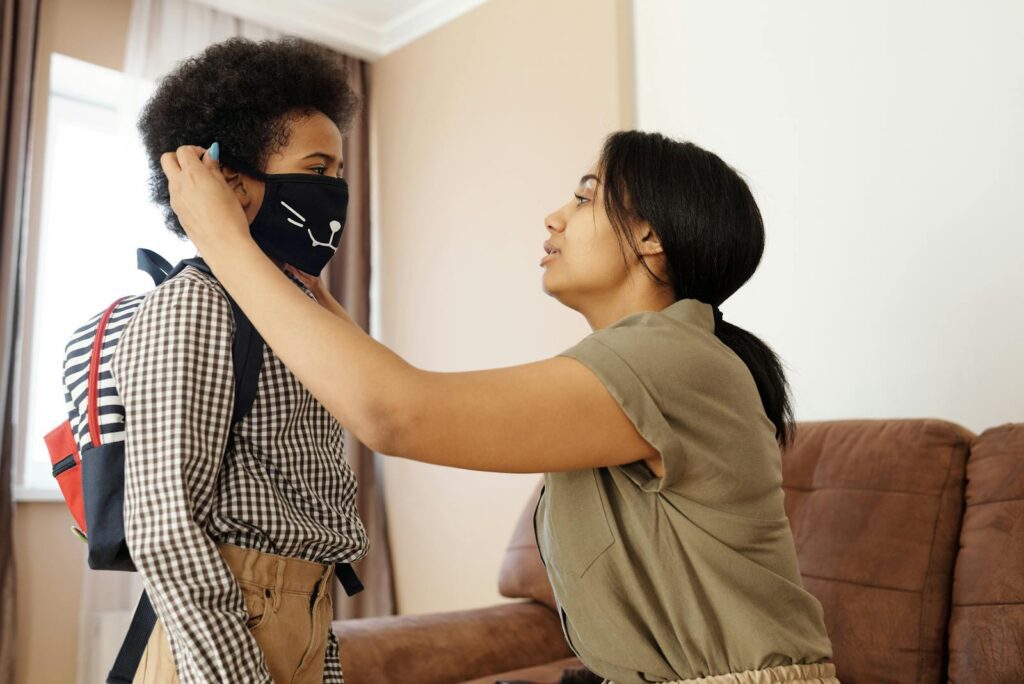
Parents send their kids to school assuming the adults in charge are paying attention when something feels off. The stories piling up around the country suggest a different reality, one where warnings sit in inboxes and on voicemail while children are left to absorb the fallout. A mom discovering that her child’s school had been brushing off safety complaints for months is not a one-off shock, it is part of a pattern that is finally getting dragged into the light.
From school buses to classrooms to pickup lines, families keep finding out after the fact that their concerns were minimized, delayed, or quietly filed away. The result is a growing sense that the systems meant to protect kids are better at protecting themselves, and that parents have to become investigators, advocates, and sometimes litigants just to get basic safeguards taken seriously.
The Durham Bus, A Vulnerable Child, And Warnings Brushed Aside

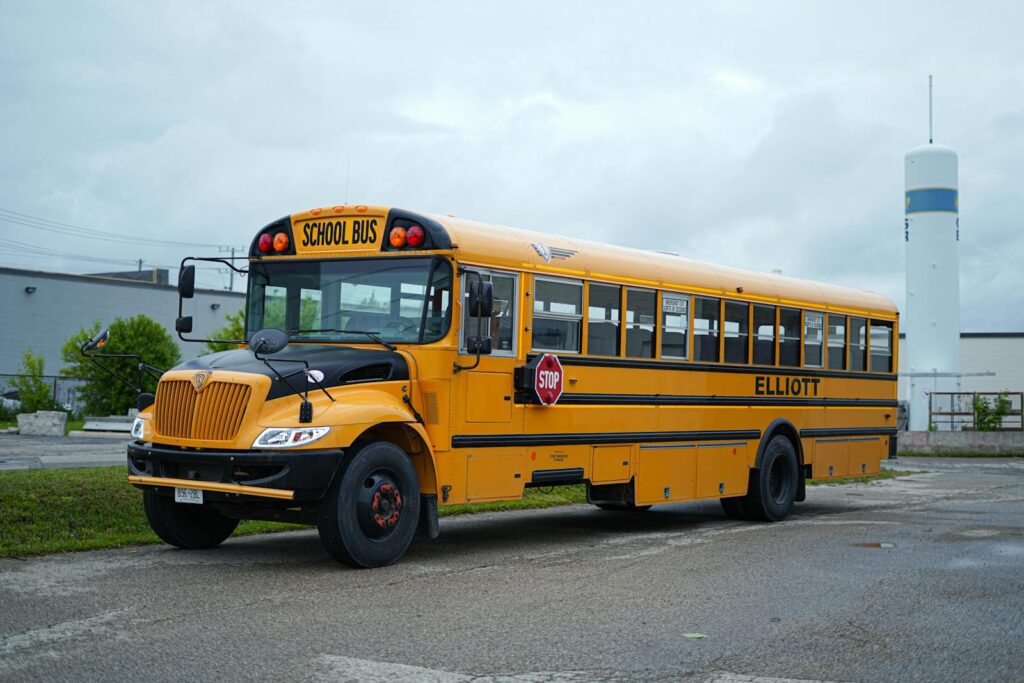
In Durham, North Carolina, Katherine Long did what schools constantly ask parents to do: she spoke up early. She knew her non-verbal son was vulnerable, and she says she alerted Durham Public Schools that something was wrong on his bus weeks before he was allegedly restrained so forcefully that he lost his balance. Long has described how her child, a 7‑year‑old boy with autism, came home with bruises and behavior changes, only to later learn that educators on that bus were indicted after video surfaced of what happened to him and other students, according to detailed reporting on DPS.
Long’s frustration is not just about the incident itself, it is about the timeline. She says she raised concerns in October, but the event that triggered criminal charges took place in November, which is why she has called it “shocking” that her early warnings did not prompt urgent action from the district. In one account, she explains that she knew her son was at risk because he could not tell her what was happening, yet the adults on that bus still used physical force when he lost his balance, a sequence described in more detail in coverage of Katherine Long and her son. The broader case has become a flashpoint in Durham, with one summary noting that a local mother alleges DPS ignored safety concerns before those indictments involving her 7‑year‑old boy with autism.
“Deeply Troubling” Patterns Around Assault, Harassment, And Threats
In New Haven, Connecticut, another parent has been using almost the same vocabulary as Long, describing her experience with New Haven Public Schools as “Deeply Troubling That Such A Serious Issue Did Not Elicit The Urgency & Procedural Adherence It warranted.” She says school officials mishandled warning signs and the aftermath of alleged sexual misconduct involving her child, and that she had to push for basic steps that should have been automatic. Her account, laid out in detail in a report on NHPS, paints a picture of a system that treated a serious allegation like a paperwork problem instead of a crisis.
That same sense of institutional shrug shows up in a lawsuit accusing a district of ignoring a teacher’s alleged harassment of a student over years. The complaint says that despite repeated complaints from the girl and her mother, the district did not act decisively against teacher Craig Smith, and that administrators even met with the family to discuss Smith’s ongoing harassment without putting meaningful protections in place. The filing, described in coverage of the lawsuit, argues that the district’s inaction violated its duty to keep students safe. A more detailed breakdown of the case notes that the lawsuit says that in spite of repeated complaints about Craig Smith’s years‑long harassment and a meeting to discuss Smith’s ongoing harassment, the district still failed to intervene.
When Parents Say “I’m Not Safe Here” Is More Than A Feeling
Parents of students with disabilities have been sounding the alarm about restraint and seclusion for years, and the record shows that those alarms are often ignored until an outside investigator steps in. In one California case, a mother named Jan Staten discovered that her district was not properly reporting its use of restraint and seclusion, even though federal rules require transparency and strict limits. Staten says she was alarmed enough to send a formal complaint letter in March 2022, after learning that her child and others were being subjected to what she saw as harsh and exclusionary disciplinary action, a story laid out in an investigation into how some schools ignore federal rules.
That same investigation notes that Staten’s concerns were not just emotional, they were backed by data showing that the district’s reporting practices did not line up with what families were seeing on the ground. In one section, Jan Staten describes how she realized the numbers did not match her child’s experience and how that pushed her to challenge the district’s use of what she called harsh and exclusionary disciplinary action, a moment captured in a focused segment on Staten. For families in these situations, “I’m not safe here” is not a metaphor, it is a literal description of what their children are telling them about classrooms and buses that are supposed to be controlled environments.
Pickup Lines, Bullying Threats, And The Everyday Ways Systems Slip
Not every safety failure involves a criminal charge or a lawsuit, but the quieter stories are just as chilling. In one Georgia case, a mother says she is scared for her daughter’s life after learning of a detailed threat from another student. She recounts being told that a classmate “Allegedly” planned to lure her daughter into a closet, use mustard gas to end her life, and grab tools from a parent’s collection to carry out the attack. The mother says she begged the school to act on the bullying, threats, and harassment, but felt her pleas were brushed aside, a sequence described in coverage of the Georgia case.
Even the daily logistics of school can become a safety flashpoint when protocols are ignored. In one widely shared account, a mother says staff put her 4‑year‑old in a stranger’s car during pickup, and that the little girl later asked, “Why Didn’t You Come Save Me?” The post describes how the Pre‑K girl reportedly begged staff not to make her leave with the unfamiliar adult, yet was still released, forcing the family to scramble to recover her from off campus. The story, which has circulated through a detailed Facebook post, has become a shorthand for how even basic dismissal rules can collapse when schools treat parent concerns as overreactions. A follow‑up excerpt of that same account highlights the child’s plea, “’Why Didn’t You Come Save Me?’ Mom Says School Put Her 4‑Year‑Old in Stranger’s Car,” underscoring how the Year Old child understood the danger more clearly than the adults did.
Parents Turn To Cameras, Complaints, And The Law
As trust erodes, more families are turning to tools that used to feel extreme. Some parents now routinely request bus video, file formal complaints, or even install recording devices in their children’s backpacks, especially when their kids are non‑verbal or have disabilities. In one Maryland case, a mother of a special needs student in Frederick County says she was horrified by what she saw on video and believes Maryland is failing to keep its most vulnerable children safe, a story shared in a detailed video about her experience. A separate clip from that same situation shows her describing how the system responded and why she felt compelled to speak out publicly about Frederick County in Maryland.
More from Decluttering Mom: