


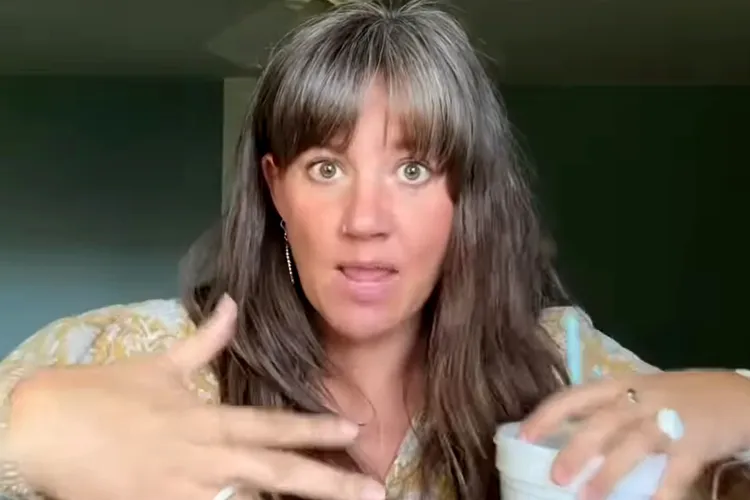
A mom influencer has found herself at the center of a storm after admitting on camera that she feels lost raising her son and believes she was “just meant to be a girl mum.” Her confession, intended as a candid look at parenting, instead triggered accusations of favoritism, gender bias, and emotional neglect. The backlash shows how quickly honest parenting doubts can be turned into a referendum on someone’s entire family life once those doubts are shared online.
Behind the outrage is a familiar tension for digital-era parents: the pull between being relatable and being responsible for how those raw moments land, especially when children are old enough to one day watch the clips themselves. Critics argue that some feelings should stay off camera, while defenders insist that taboo worries about bonding with a son or daughter are more common than most parents admit out loud.

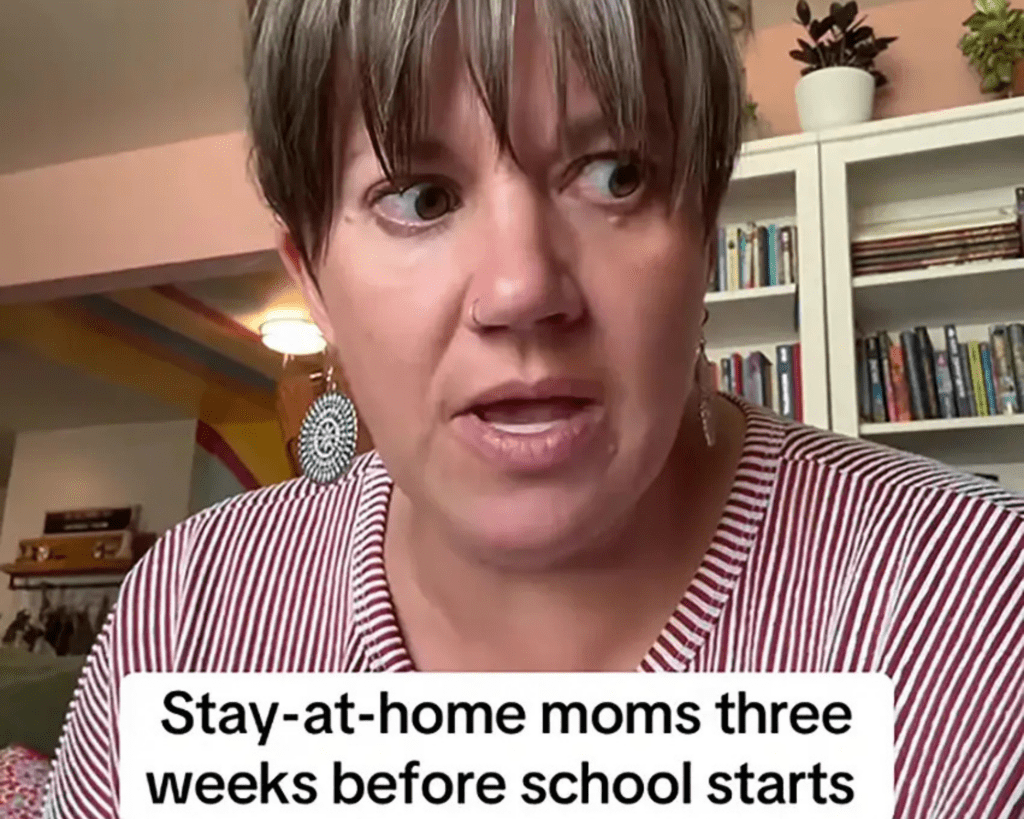
The influencer’s confession and the instant backlash
In the video that set things off, the influencer explains that she feels naturally in sync with daughters and does not really know what to do with a son. She describes herself as “just meant to be a girl mum” and frames her struggle as a mismatch between her instincts and the boy in front of her. That sentiment echoes another viral clip in which an Influencer causes controversy by saying almost the same thing, insisting she bonded easily with a girl born seven years earlier but felt adrift with her son. In both cases, the mothers present their discomfort as a personality issue rather than a lack of love, yet the wording lands like a verdict on the child’s place in the family.
Viewers did not take it lightly. Comments filled up with people accusing the mom of emotional abandonment and warning that her son could one day see the clip and internalize the idea that he was unwanted. Some critics pointed to other high profile family channels, such as the long running Saccone-Joly brand, as examples of how children’s lives become content and how quickly intimate family dynamics can be flattened into storylines. Others compared the uproar to a separate viral debate around a mom of six who told followers they should “absolutely not” have six kids, a clip that also triggered intense pushback when it circulated on Facebook.
Gender expectations, parasocial parenting, and who gets to be honest
Part of what made the confession so combustible is the way it tapped into old ideas about what mothers and sons are supposed to be to each other. The influencer did not just say she was struggling with one particular child. She framed herself as someone who fits a “girl mum” box and feels out of place with a boy, which critics heard as a kind of gender essentialism in parenting form. That framing sits awkwardly next to the way other online parents talk about their kids. Longtime creators like Anna Saccone-Joly and her husband Jonathan Joly have built careers on anecdotes about raising multiple children, but they usually present personality clashes as individual quirks rather than a boy-versus-girl divide.
There is also the parasocial layer. Followers feel they know these moms, which can make them more forgiving or much harsher. When the mom of six warned viewers that they should “absolutely not” copy her family size, some fans defended her as a straight talker, while others said the message came across in a “less than positive way” and made large families sound like a cautionary tale, a reaction documented among Viewers. In the current controversy, that same split shows up in the comments. One supporter, Carol Gormley Coombs, argued that if people actually read or watched the full context, they would see that the mom was raising valid concerns about her own limits and had “no skin in the game” when it came to how many kids anyone else chose to have. Others insisted that good intentions do not erase the impact of telling the world that a particular child feels like the wrong fit.
What happens to the kids when parenting becomes content
Beyond the immediate outrage, there is a quieter question about what it means for children to grow up with their parents’ doubts preserved on video. Some critics draw a line between this kind of confession and more extreme cases where family influencers have made irreversible decisions in public. They point to the couple who documented life with their autistic son adopted from China before announcing to viewers that he had been placed with another family, a move that triggered thousands of angry responses. While the current situation is nowhere near that level of fallout, it touches the same nerve about how much of a child’s story should be told for an audience that can screenshot and resurface it years later.
More from Decluttering Mom: