


Every so often, a routine piece of pocket change turns out to be a lottery ticket in disguise. That is the case with a small batch of 2004 Wisconsin state quarters that left the Mint with a tiny extra detail on a corn stalk and, in the process, picked up price tags in the four figures. The real story, though, is less about viral videos promising instant riches and more about how a subtle minting quirk, careful grading and a wave of online hype have turned one state quarter into a modern treasure hunt.
At the center of the buzz is the so‑called “extra leaf” Wisconsin quarter, a Denver‑minted coin where an additional leaf appears on the ear of corn on the reverse design. In top condition, the most desirable examples have sold for around $2,000, and in a few headline‑grabbing cases even more, but most pieces that turn up in change are worth far less. Understanding where the real value lies, and how to separate a genuine variety from wishful thinking, is what actually gives a casual searcher an edge.
What makes the 2004 Wisconsin quarter so special?

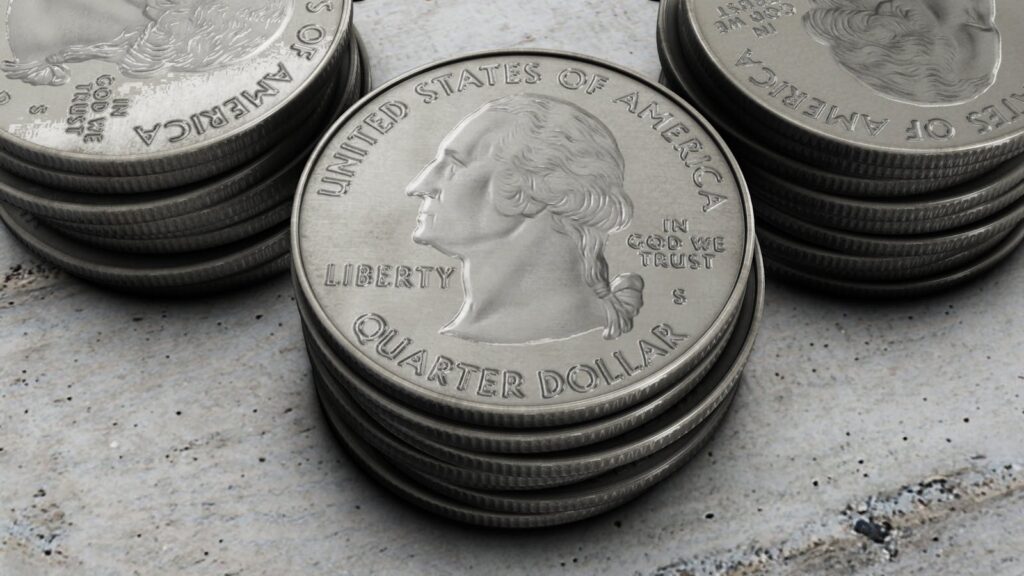
On paper, the Wisconsin state quarter is just one entry in the State & Territorial Quarters program, a series that flooded circulation with billions of commemorative designs between 1999 and 2009. The standard Wisconsin reverse shows a cow, a wheel of cheese and an ear of corn, and for the vast majority of coins that is exactly what appears, worth the usual 25 cents. The Philadelphia issue alone, the 2004‑P Wisconsin Quarter, had a mintage of 226,400,000, which gives a sense of just how common the basic design really is.
The twist comes from a small subset of Denver coins that show an extra leaf on the left side of the corn husk, creating two distinct varieties known as “high leaf” and “low leaf.” Specialists describe these as die varieties rather than random damage, meaning the extra detail was part of the die that struck the coins, not something that happened after they left the Mint. An analysis of the Wisconsin Quarter series notes that an unknown but apparently small number of 2004‑D pieces carry this extra leaf, which is why collectors are willing to pay a premium when a sharp, uncirculated example surfaces.
How to spot the “high” and “low” extra leaf varieties
For anyone checking change, the first filter is simple: look for the mintmark. Guides that walk through Authentication and how to Spot the Real Deal stress that collectors should Check the Mintmark, because Only Denver quarters with a “D” carry the Extra Leaf varieties and No Extra leaf exists on Philadelphia pieces. Once the “D” is confirmed, the eye moves to the left side of the corn, where the extra detail appears between the main husk and the bottom of the ear.
The two versions are defined by where that extra leaf points. In the “high leaf” variety, the added leaf juts upward, almost into the husk itself, creating a tight angle that nearly touches the main leaf. In the “low leaf” version, the extra leaf angles downward toward the rim, leaving more space above it. Visual walk‑throughs on how to Identify Extra Leaf emphasize that the rest of the design should look normal, with no flattening or scraping that would suggest post‑mint damage rather than a true variety.
Collectors who want a closer comparison often turn to side‑by‑side photos and diagrams, which show that the extra leaf is relatively thick and sculpted, not a hairline scratch. One detailed breakdown of the How Identify Extra series notes that the high leaf almost merges into the husk, while the low leaf sits lower and more isolated, a distinction that becomes obvious once a person has seen a few clear examples.
What the market actually pays, from $50 change finds to $2,000 trophies
Values for these coins sit on a spectrum that is far less dramatic than some social clips suggest, but still generous compared with face value. Coverage of recent sales points out that a circulated extra leaf quarter might bring around $50, while a typical uncirculated example can reach about $130, according to The Spruce Crafts as cited in a summary of PCGS (Professio) data. Those numbers already represent a strong return on a coin pulled from a tip jar or glove compartment, even if they fall short of the most breathless claims.
The top of the market is reserved for coins that combine the extra leaf variety with exceptional condition and third‑party grading. According to the NGC Price Guide, a 2004‑D Wisconsin Quarter with the Extra Leaf variety in Mint State can range from modest premiums in lower grades up to around $1,200 in MS 67, and auction coverage notes that standout pieces have pushed toward the $2,000 mark. A separate breakdown of how an unknown but apparently small number of these coins entered circulation adds that, in at least one Heritage Auctions event, a top‑graded example reached $6,000, underscoring how sharply prices climb at the very top of the grading scale.
That gap between everyday finds and elite slabs is why grading services loom so large in this story. The PCGS population data for the 2004‑D Extra Leaf High quarter shows relatively few coins in the highest Mint State tiers, which helps explain the premium. Meanwhile, NGC’s Coin Information for the 2004‑D Extra Leaf Low Wisconsin 25C MS, listed under the Category of State and Territorial Quarters with Mint: Denver, reinforces that both varieties are treated as distinct, graded issues rather than casual curiosities.
More from Decluttering Mom: