


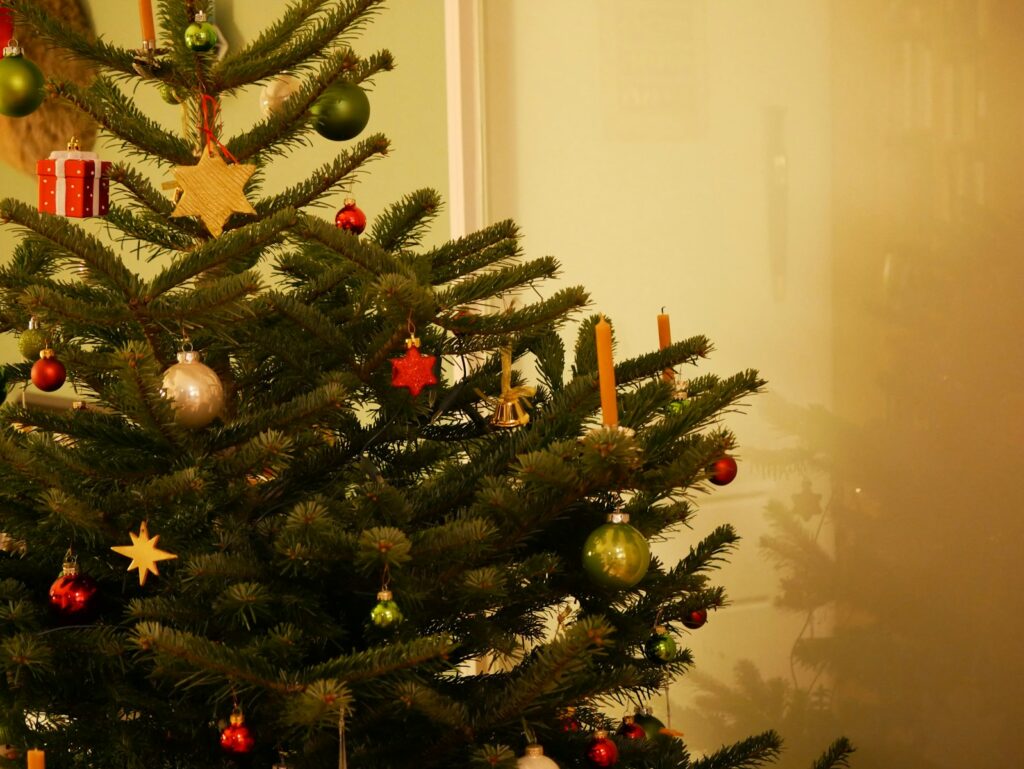
A real Christmas tree is projected to cost about $83.87 on average this season, according to survey data compiled from National Christmas Tree Association figures, up roughly $4.50 from last year. An entry-level artificial tree at most big-box retailers runs somewhere in that same neighborhood, which means the gap between “buy fresh every year” and “buy once and store it in the attic” has quietly gotten a lot smaller than most people shopping this December remember it being.

The real number, from the people who track it
The National Christmas Tree Association (NCTA), the trade group representing real tree growers nationwide, has tracked buyer pricing for years through consumer surveys, and the trend line only moves in one direction. In 2023, the median price households actually paid for a real tree was $75. A joint report from Square and the NCTA, tracking the years before that, showed the average climbing from $64 in 2015 to $73 in 2017, a 17% jump in just two seasons. The pattern has continued since: this year’s roughly $84 average price point puts real trees well above where they sat even five years ago, driven largely by growers passing along higher fuel, land, and labor costs built up over a tree’s 7-to-10-year growing cycle.
Artificial trees aren’t the bargain they used to be either
The number that changes the math is on the other side of the comparison. Average artificial tree prices are projected to land around $126 this year, according to the same reporting, up from about $123 in 2024. That’s the blended average across all artificial trees sold, including large, elaborately pre-lit models that cost several hundred dollars. But a genuinely basic, unlit artificial tree, the kind sold as a starter option at most big-box and discount retailers, still routinely lists in the $60 to $100 range. Put that figure next to this year’s $84 real-tree average, and the two categories aren’t just close, they overlap.
Tariffs have added pressure on the artificial side specifically, since the vast majority of fake trees sold in the U.S. are manufactured overseas. Industry commentary cited alongside the pricing data noted that suppliers “have done all they can to absorb as much of the unexpected extra burden of tariffs,” with actual shelf prices running an estimated 10 to 15% above the baseline average in some cases. A cheap artificial tree that might have cost $50 a few seasons ago is closer to $70 or $80 now, sliding directly into range of a fresh-cut Fraser fir.
Where the real-tree cost actually comes from
Growers aren’t marking up trees the way a typical retailer marks up inventory. A tree planted this spring won’t be ready to cut for another seven to ten years, which means every tree sold this season was planted and tended through years of fertilizer, water, pest control, and labor costs that have all climbed since it went into the ground. The Real Christmas Tree Board’s own grower survey, conducted in August among wholesale farms representing roughly half to two-thirds of the national supply, found that most growers were absorbing rising input costs rather than passing the full increase to retailers this year, with the majority holding wholesale price hikes to 5% or less. That restraint at the wholesale level is part of why this year’s retail bump is closer to $4 than the double-digit jumps seen in some recent seasons, even as the multi-year climb continues.
Why the sticker price still doesn’t settle the argument
None of this means the two options are actually equivalent once you look past the tag. An artificial tree is a one-time purchase that can be reused for roughly a decade before it needs replacing, which still makes it the cheaper choice averaged out over its full lifespan even at $126 upfront. A real tree is a fresh purchase every single year, so that $84 isn’t a one-time cost, it repeats annually for as long as someone keeps buying real. Run the math over ten years and a mid-range artificial tree can still come out ahead on pure dollars, even with this year’s tariff-driven price bump factored in.
What’s changed is the entry point, not the long-term math. A shopper standing in a big-box aisle this December, weighing a $70 basic fake tree against an $80 lot-grown fir, is no longer choosing between “cheap” and “expensive.” They’re choosing between two options that cost roughly the same amount of money for very different experiences, which is a different decision than the one their parents were making a decade ago, when a real tree was reliably the budget option by a wide margin.