



Every August, families expect the usual school supply list: pencils, notebooks, glue sticks and tissues stacked in a cart that looks the same year after year. So when one teacher quietly slipped deodorant onto that list, it stopped parents mid-scroll and sparked a wave of appreciative comments from caregivers and educators who instantly understood why it mattered. What looked like a small, slightly awkward request quickly turned into a broader conversation about puberty, dignity and what kids really need to feel comfortable at school.
The idea surfaced after an Iowa mom, Megan Baird, shared that her child’s teacher had asked families to send in deodorant along with the standard classroom basics. Instead of rolling their eyes, parents flooded social media with stories about crowded hallways, stuffy buses and the very real challenge of helping upper elementary students navigate changing bodies. The consensus was clear: this one unusual item might be the most practical thing on the list.
The viral supply list that made parents nod in recognition

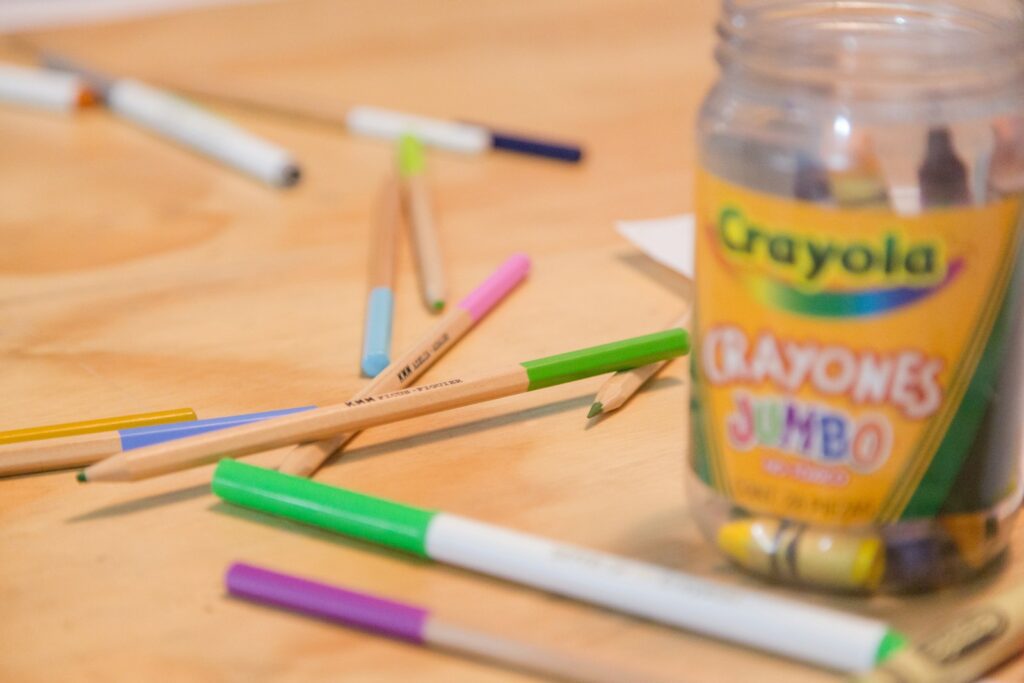
The supply list that caught fire online did not come from a marketing campaign or a parenting guide, it came from a real classroom where a teacher was trying to solve a real problem. In Iowa, mom Megan Baird noticed that alongside pencils and tissues, her child’s teacher had added deodorant, a request that immediately stood out against the usual back to school routine. As she described how Every back to brings the same checklist, she also captured how this one tweak resonated with parents who were already joking, and sometimes complaining, about “stinky students” in hot, crowded classrooms.
Once the list hit social media, the reaction was swift and surprisingly unified. Instead of shaming kids, parents framed the deodorant request as a thoughtful nudge that acknowledged puberty without making it a big, embarrassing production. A clip shared on a popular account showed the supply list and the deodorant line circled, and viewers flooded the comments with their own memories of middle school locker rooms and late afternoon gym classes, turning a simple list into a shared cultural moment that platforms like TikTok are uniquely good at amplifying.
Why deodorant belongs next to pencils and notebooks
Behind the jokes about “stinky students” is a serious point about what it takes for kids to focus and feel at ease in class. By the time students reach upper elementary grades, many are hitting puberty, often earlier than their parents did, and body odor can become a source of quiet anxiety long before anyone talks about it openly. When a teacher adds deodorant to the supply list, it signals that hygiene is part of the school day in the same way as sharpened pencils and charged Chromebooks, and that adults are paying attention to the social dynamics that can make or break a child’s confidence.
Parents responding to Megan Baird’s story described the deodorant request as both “practical” and “essential,” especially for kids who are active in recess, sports or after school programs that keep them in the same clothes for hours. One commenter noted that having deodorant on hand can prevent teasing before it starts, while another pointed out that some families may not realize how quickly a child’s needs change once puberty begins. By normalizing deodorant as a standard item, rather than a secret fix for a “problem,” the teacher effectively turned a potential source of shame into a shared expectation that everyone can quietly meet.
Teachers and parents call it brilliant, with one big caveat
Educators who have spent years in upper elementary and middle school classrooms were among the loudest voices cheering the deodorant idea. One veteran teacher wrote that, Having taught fourth grade for years, deodorant is a “practical but essential” supply, and that “no fragrance is even better,” a sentiment echoed in a thread where parents swapped stories about field trips and bus rides that ended with chaperones joking about needing “a bus load of antiperspirant.” In that same conversation, several parents said it was “not unusual” for teachers to quietly keep hygiene products in a drawer, calling the practice a “game changer” for kids who might be too shy to ask for help, as seen in the comments attached to one widely shared.
At the same time, teachers and parents raised an important caveat: not all deodorant is created equal, and some products can make a classroom unbearable for students and staff with asthma or fragrance sensitivities. In another discussion, commenters warned that heavily scented sprays, especially popular brands like Axe Deodoran, can overwhelm small spaces and even trigger headaches or breathing issues. One educator urged families that, if they are going to send deodorant, it should be sticks or gel, not aerosol, because “deodorant can be lethal” when sprayed in a crowded hallway, a concern captured in a thread where parents debated the safest forms of deodorant for school.
When a “genius” idea meets real health needs
The conversation around deodorant in classrooms also intersects with a growing awareness of how scents affect students with medical conditions. Parents of children with asthma and other respiratory issues have long warned that strong fragrances can turn a regular school day into a health risk. One parent explained that Sprays and perfume in the classroom is an asthmatic trigger for their son, and that Spraying Lysol is another concern, underscoring how even well intentioned efforts to keep spaces fresh or sanitized can backfire for kids with sensitivities, as detailed in a discussion of fragrance sensitivity and disability rights.
That reality has pushed many teachers to clarify that they welcome deodorant, but prefer unscented or lightly scented sticks that stay on the skin rather than in the air. Some parents in the deodorant threads suggested that schools include a brief note about fragrance free options when they add hygiene items to supply lists, so families understand that the goal is to support kids without creating a “bath and body works hallway.” By pairing the deodorant request with clear guidance, schools can protect students with asthma or migraines while still addressing the very real social and emotional stakes of body odor in the tween years.
How families are turning one supply into a bigger life lesson
For many parents, the viral supply list became a prompt to start conversations at home that might otherwise feel awkward. Instead of waiting for a child to be teased on the bus, caregivers used the teacher’s request as a neutral opening to talk about sweat, hormones and daily routines, framing deodorant as just another tool for taking care of themselves. In one widely shared Facebook post, commenters like Craig Scott Grubb chimed in to say they “love this idea,” with Craig Scott Grubb That reminder that small habits can help keep kids HAPPY in ALL 50 states by making classrooms and buses more comfortable for everyone, a sentiment captured in a lively thread about kids of the.
Families also pointed out that not every child comes from a household where deodorant is a given, whether because of cultural norms, financial constraints or simple lack of information about puberty. Some parents recalled their own mothers sending extra supplies in the late 70’s and early 80’s so classmates would not go without, and they see the modern deodorant request as a continuation of that quiet generosity. By treating deodorant as a shared classroom resource rather than a personal failing, the teacher who added it to the list managed to spark a national conversation about empathy, inclusion and the small, practical ways adults can help kids feel at home in their changing bodies.
More from Decluttering Mom: