


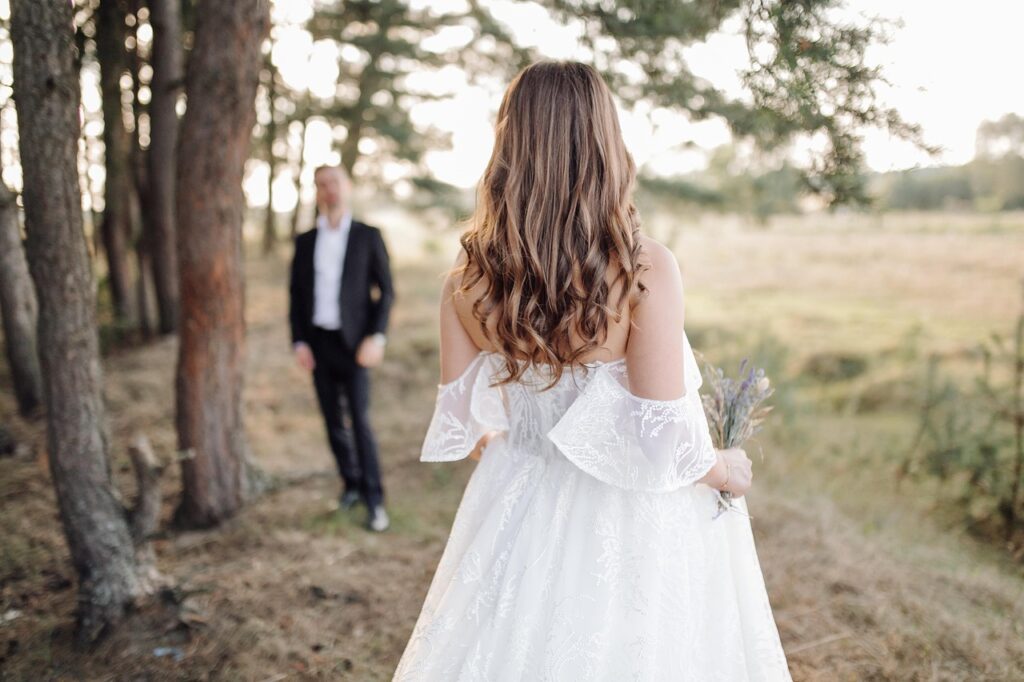
The teen bride at the center of this story keeps hearing the same line from strangers online: what happened to her is legal, but it still feels wrong. Her critics insist they are not accusing her husband of a crime, only pointing out that something about a high schooler in a wedding dress clashes with their sense of what childhood should look like. That tension between legality and unease is exactly where the American debate over child marriage now lives.
Her experience is not an isolated shock; it is a window into a system that quietly allows minors to marry while adults around them argue over whether stopping it would go too far. The law might say she is a wife, yet a growing chorus of survivors, lawyers, and even some lawmakers is asking why the country keeps drawing the line there.


When “legal” still feels like a red flag
For a teenager hearing that her marriage is technically allowed, the word “legal” can sound like a stamp of safety. In reality, the rules that make these unions possible are often built on loopholes that would never fly in other parts of family or criminal law. Advocates point to exceptions for parental consent, judicial approval, or legally emancipated minors that let adults marry children in situations that would otherwise look a lot like statutory rape, a pattern detailed in analyses of marriage loopholes. When critics tell the teen bride that her relationship “feels wrong,” they are really reacting to that gap between what the law permits and what most people expect for a child.
Survivors who married young describe the emotional cost in painfully specific terms. One woman, identified as Johnson, has said that “marriage put a definite end to my childhood,” explaining that she was expelled from school and had six children by the time she was 17, while her much older husband controlled her life and continued to be abusive, as recounted in reporting on hidden child marriage. For teens like the bride at the center of this story, online skeptics may sound harsh, but their discomfort echoes the stories of people who later realized that a “legal” marriage had quietly cut off school, friendships, and any real chance to grow up first.
How the law keeps the door open
The teen bride’s defenders often respond with a simple argument: if the state signed off, who is anyone else to judge? Yet the state’s signature is not as neutral as it looks. In one widely cited study of the United States, researchers working with advocacy group Unchained At Last found that thousands of minors were married in recent years under rules that varied wildly from one jurisdiction to another. Some places allowed marriage at 16 or 17 with a parent’s say so, others let judges approve even younger unions with little more than a brief hearing, and very few required the same background checks or domestic violence screenings that adults might face.
That patchwork has started to face real political pushback. In Missouri, for example, former child brides have appeared with women lawmakers in Jefferson City who are pressing to raise the minimum age to 18, a fight captured in coverage of former Missouri child and their testimony. A separate report on a bill to raise the legal marriage age to 18 described how the proposal passed out of the Senate but stalled in the House, even after years of effort by supporters who argue that no child can freely consent to the kind of lifelong contract that marriage represents, an argument that surfaced again in debate inside the Missouri House.
Other states have moved faster, although not without resistance. One analysis of current laws lists Connecticut, Delaware, Massachusetts, Michigan, Minnesota, New Jersey, New York, Pennsylvania, Rhode Island, and Vermont as places that have already ended marriage under 18, while some Republican lawmakers elsewhere argue that banning child marriage would interfere with parents’ rights or even push pregnant teens toward abortion, as described in coverage of Republican opposition. In Texas, a recent post highlighted a bill that would change state law so that 16 year olds and 17 year olds could no longer marry, and called out specific lawmakers who voted To NOT close that loophole, citing reporting Excerpted from journalist Alex Driggars on a proposal moving through the Texas debate. For the teen bride hearing that her marriage “feels wrong,” these fights show that the law is not a settled moral compass; it is a political battleground still in motion.
The emotional fallout and where teens can turn
Even when a teen insists she chose her marriage, the emotional dynamics are rarely simple. Advocates who work with survivors say that child spouses often experience emotional and psychological abuse that is harder to spot than bruises. WomensLaw describes patterns like isolation from friends, constant criticism, and threats of self harm or deportation as common tools of control, and stresses that help is available around the clock through resources like the National Domestic Violence Hotline and the 988 Suicide and Cri lifeline, guidance laid out in its overview of emotional abuse. For a teen bride who feels pressured to defend her relationship online, simply reading that these behaviors are recognized forms of abuse can be a jolt.
More from Decluttering Mom: