


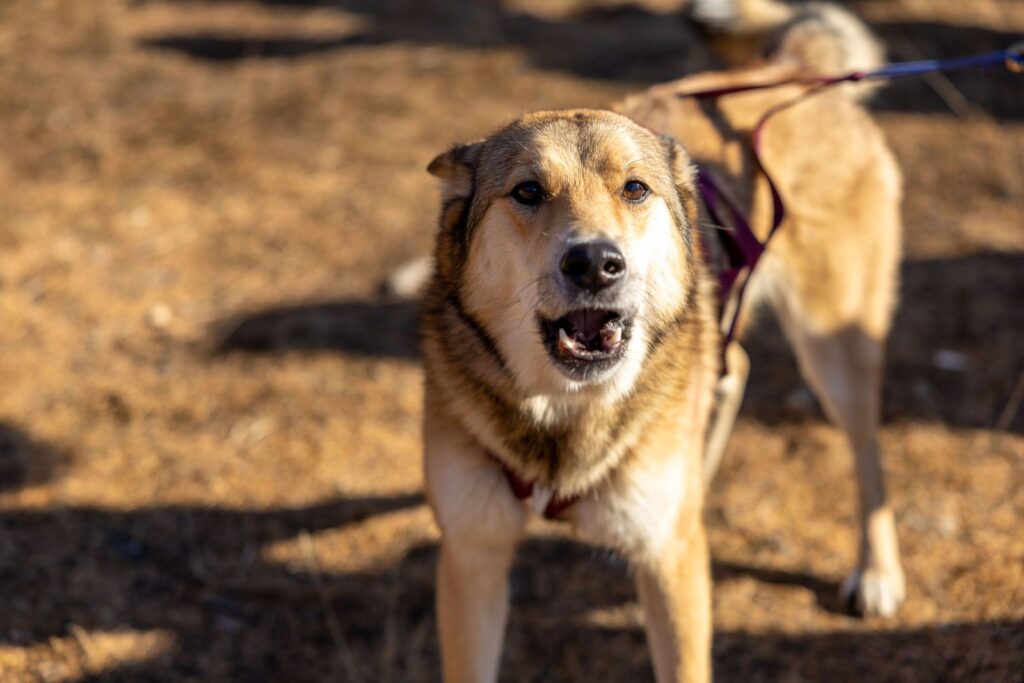
During a hike in Banff National Park, an American couple found themselves in an unsettling predicament when their unleashed dog began barking at a grizzly bear. The husband, startled by the encounter, slowly backed away while his wife filmed the scene. The dog, agitated and frightened, darted back and forth, barking loudly, prompting concern not just for the couple but also for the wildlife. They seemed oblivious to the potential danger their actions posed—for both themselves and the bear.
This breach of park regulations doesn’t just raise eyebrows; it puts lives at risk. In national parks like Banff, unleashed dogs are prohibited under the Canada National Parks Act, primarily to prevent any situation that could lead to a bear attack. Dogs can provoke wildlife, leading to dangerous encounters that can end badly for both animals and humans. Instead of controlling their dog, the couple chose to film the event, seemingly unaware of the implications.


After the video went viral on TikTok and later on Instagram, park rangers quickly identified the couple and issued a citation for their reckless behavior. Their video, initially intended to showcase a thrilling moment in nature, backfired spectacularly. Now, instead of garnering admiration for their brave encounter, they face a hefty fine—up to $25,000—along with public scrutiny.
People had very different reactions to the couple’s actions. Some thought it was irresponsible to put both their dog and the bear in harm’s way. Comments ranged from shock to disbelief, with some users criticizing the couple for prioritizing social media fame over the safety of themselves and the wildlife. “What were they thinking?” one user remarked, expressing concern that they didn’t recognize the gravity of the situation.
Others pointed out that while the couple’s actions were reckless, it wasn’t the first instance of tourists disregarding park rules. Stories of visitors ignoring safety guidelines are not uncommon, and this incident only adds to that troubling narrative. Some even suggested that the viral aspect of the encounter might encourage more people to ignore rules in an effort to capture attention online.
In the midst of the backlash, the couple had given an interview about their “terrifying” encounter before the citation was issued. They described the bear as a majestic creature and seemed almost entranced by the moment. However, since the citation, they have not commented further. It raises a question about accountability and public awareness regarding wildlife safety. Should people be more informed about the consequences of their actions, especially in such sensitive environments?
The discussion around this incident highlights a broader concern about the relationship between social media, wildlife safety, and personal responsibility. As sharing experiences online becomes more commonplace, there seems to be a disconnect between the need for likes and the importance of adhering to safety rules in natural habitats. Will the allure of a viral video continue to outweigh common sense?
More from Decluttering Mom: