


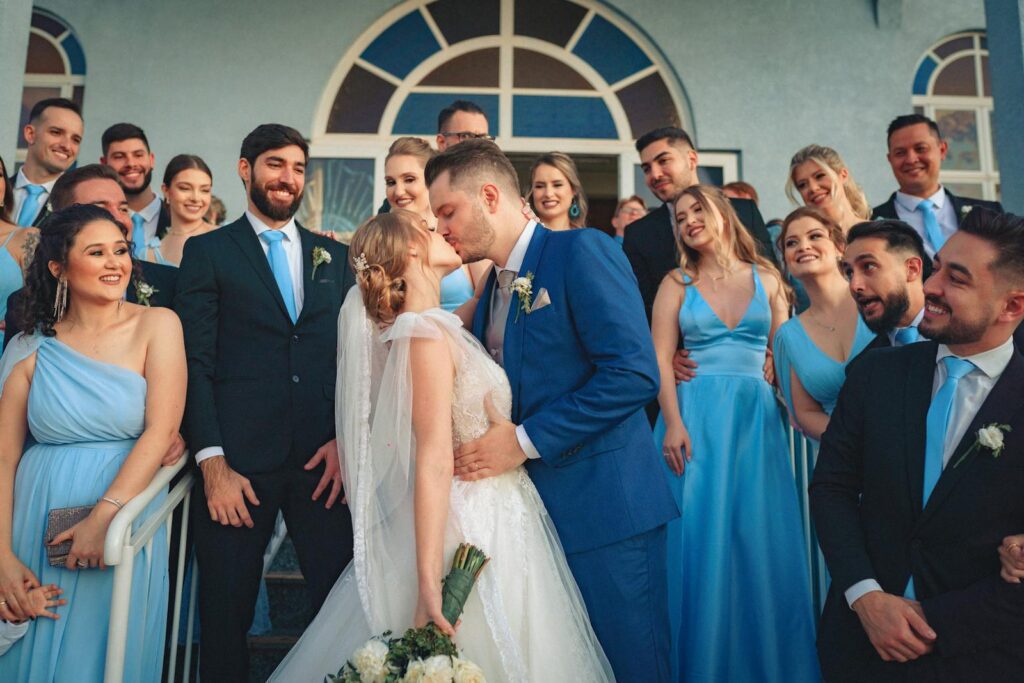
Guests settled into their seats, marveling at the exquisite table setting adorned with elegant utensils and plates, only to realize their confusion moments later. No one—neither the couple nor the guests—spoke about the surprise twist in the evening’s dining experience. Instead of a hearty sit-down meal, Brazilian small plates began circulating around the table, leaving several American attendees bewildered and hungry.
One mom shared her experience from a wedding she attended in Brazil, where tradition dictated the food presentation. The small plates were plentiful but not enough to quell the appetite of guests who came expecting a full dinner. She mentioned that many from her group, used to the American wedding norm of substantial meals, were caught off guard by this unexpected culinary arrangement.

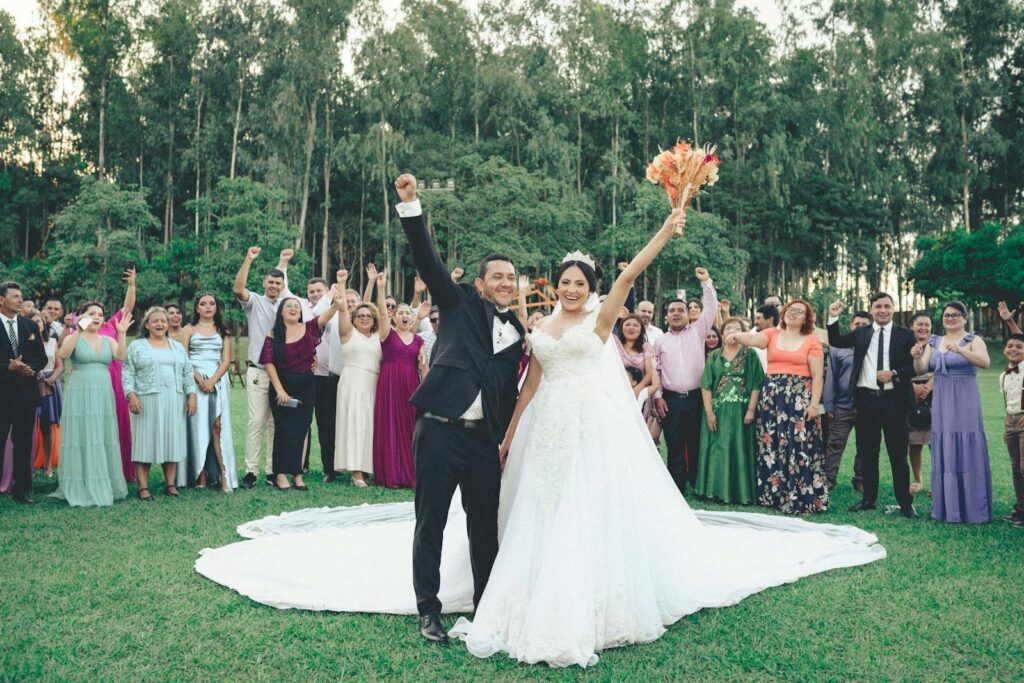
In Brazilian weddings, it’s common for small plates to be served; they offer a taste of various traditional dishes without overwhelming the guests. However, this cultural nuance appeared lost on many of the American attendees. With no mention of the limited meal on the wedding website, confusion lingered as guests wondered if they had misunderstood the plans for the evening.
The mom recounted leaving the wedding feeling somewhat unsatisfied. She painted a picture of the beautifully decorated reception with glimmering lights and joyful music, yet the hunger echoed as the evening wore on. Guests mingled and laughed, plates in hand, yet the expectation of a full dinner was nowhere to be found.
Some commenters jumped in, noting that weddings often reflect local customs and traditions. They pointed
out that each culture has its own ways of celebrating, and the absence of a full meal might seem strange to those unfamiliar with Brazilian wedding customs. Others laughed at the irony, recalling their own awkward experiences at weddings that defied expectations.
People had very different reactions to her tale. Some found it amusing, saying it was a “classic case of cultural mismatch,” while others sympathized, recalling similar moments when they had walked into an event without a clue about what to expect. “At least the decor was nice,” one commenter quipped, while another suggested it might be time for all wedding invitations to include a food note for clarity.
This kind of misunderstanding isn’t uncommon, especially in a globalized world where cultural practices often intermingle but can lead to moments of confusion. With so many traditions around the world, a little bit of communication goes a long way. But how can one easily communicate what to expect at such events without sounding overly formal? It’s a fine balance between giving enough information and leaving room for surprise.
As the conversation thread continued, some expressed that perhaps it would have been more considerate for the bride and groom to mention in advance that a traditional meal was not part of the celebration. Others pointed out that this type of dining experience can be quite delightful—when one knows what to expect, of course.
In the end, the mom chuckled at her tale. It certainly would be a memorable wedding story to share, albeit one that came with a side of hunger. With so many cultures merging, it leaves one to wonder—how can future wedding plans bridge the gap between traditions? Would a little more transparency help bridge those expectations, or are surprises part of what makes weddings special?
More from Decluttering Mom: