


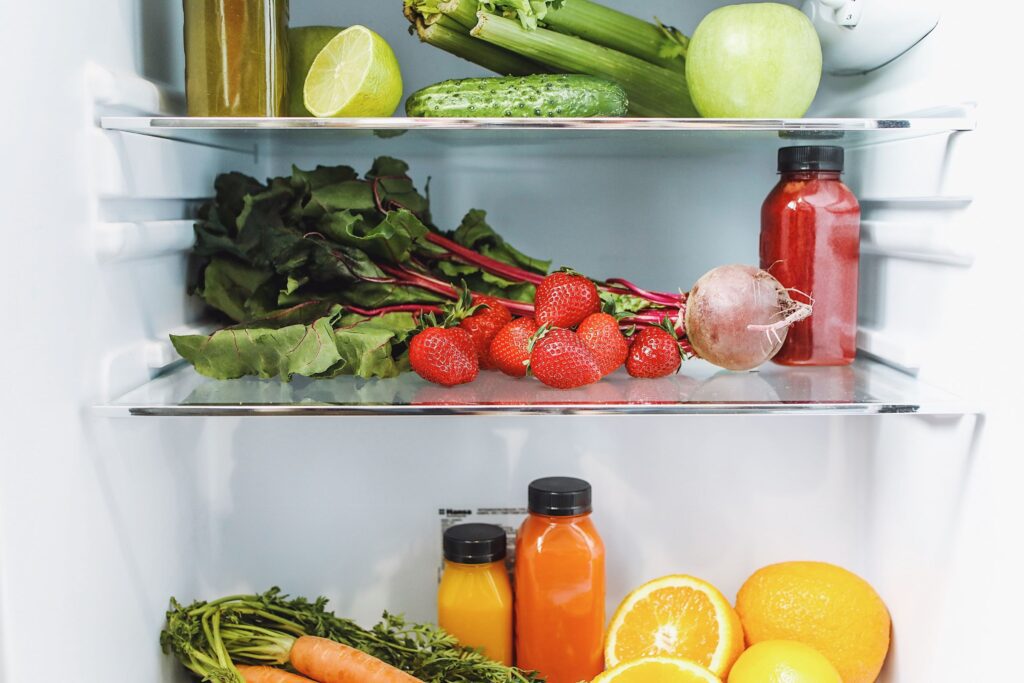
Americans wasted about 70 million tons of food in 2024, worth roughly $380 billion that never made it from the store or the garden into anyone’s actual meal, according to ReFED’s 2026 U.S. Food Waste Report, the most comprehensive national accounting of what the country throws away and why. Spread across every person in the country, that comes out to about $762 in wasted groceries per year, and a separate EPA analysis of the cost of food waste puts the household toll even higher, estimating close to $2,913 a year for a family of four, up from roughly $1,500 back in 2010 as grocery prices have climbed. The total volume of food wasted nationally actually ticked down slightly, about 2.2 percent, the first real decline since the pandemic. But because groceries cost so much more than they used to, the money quietly disappearing out of your kitchen has arguably never mattered more. And here is the detail that should make you feel, if anything, a little more in control: households generate more food waste than any other part of the entire food system, more than restaurants, more than grocery stores, more than farms, according to ReFED’s residential waste research. That means the single biggest lever for turning this number around isn’t sitting in a warehouse or a supply chain somewhere. It’s sitting in your fridge.
Your Kitchen Is Actually Where the Progress Is Happening
There’s good news buried in the report, and it’s worth sitting with before we get into the fixes. ReFED found that the recent national decline in food waste was driven almost entirely by households cutting back, a drop of nearly 950,000 tons in residential waste between 2023 and 2024, according to the organization’s announcement of the report’s findings. In other words, the exact place you might assume is too small to matter is the place where the needle is actually moving. Rising grocery prices are part of what’s pushing people to use up what they buy instead of pitching it, and that’s a completely human response. You don’t need a system overhaul to be part of that shift. You need a handful of habits that make the food you already paid for easier to see, easier to reach, and easier to use before it turns.
Shop Your Own Kitchen Before You Shop the Store
The single most effective habit costs nothing and takes about five minutes: before you make a grocery list, open the fridge, the freezer, and the pantry and actually look. Not a glance while reaching for the milk, a real look, drawer by drawer. Half-used bags of spinach, that lonely half an onion, three yogurts hiding behind the mustard. Meal plan around what’s already there first, then build your shopping list around what’s missing, rather than the other way around. It sounds almost too simple to be a strategy, but most household food waste doesn’t happen because people buy the wrong things. It happens because they forget what they already own, buy duplicates, and let the original go soft and forgotten in the back of a drawer.

Store Produce So It Actually Outlives the Week
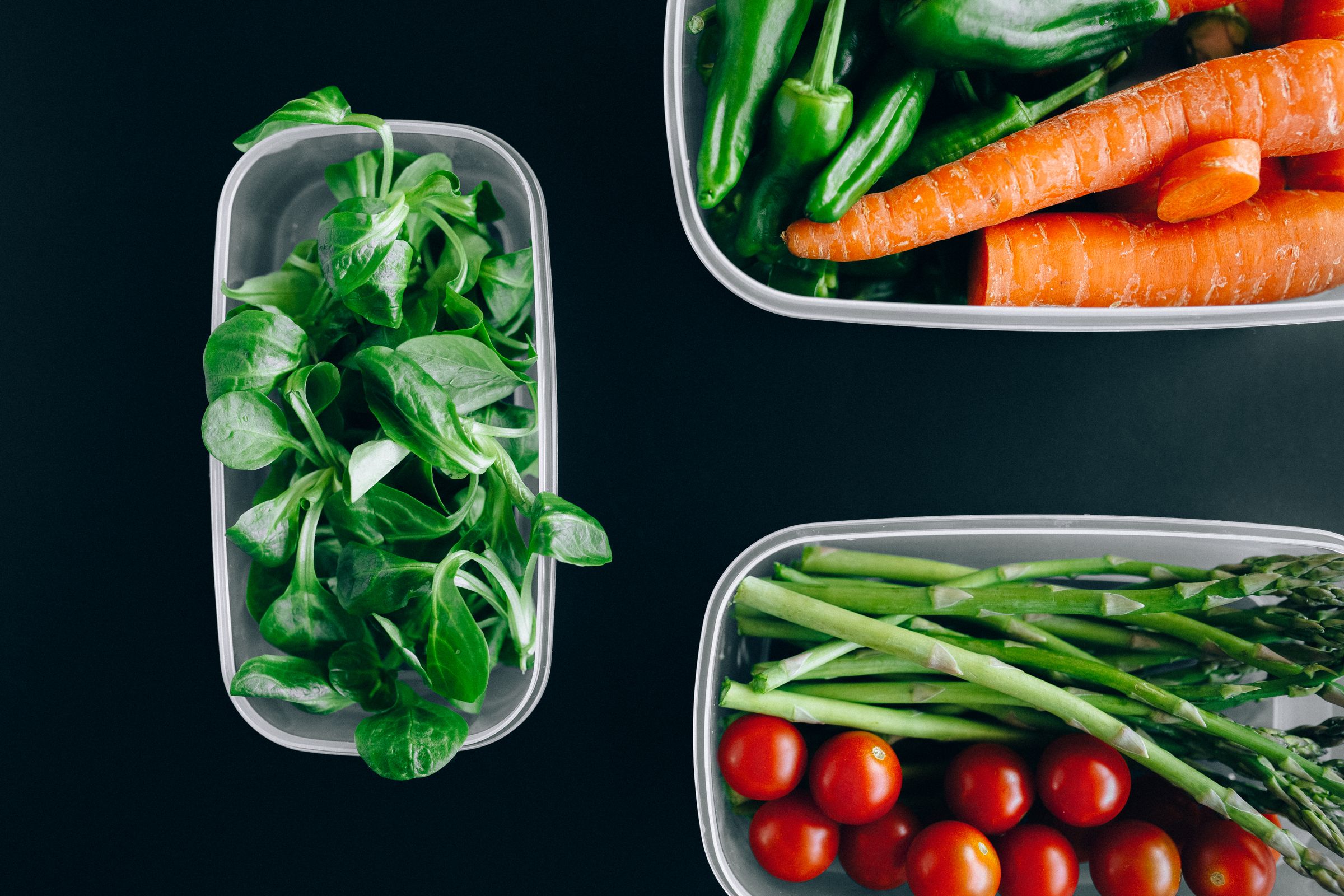
Grocery stores are set up so shoppers grab from the front and staff restock from the back, which is exactly the logic you want to bring home. It’s called FIFO, first in, first out, and it’s a simple habit of putting older produce, leftovers, and pantry staples toward the front of the shelf or the top of the pile, with newer purchases pushed behind or underneath. When you unload groceries, resist the urge to just shove the new bag of carrots wherever there’s space. Move the older one forward first. It’s a small physical rearrangement that quietly ensures nothing gets buried and forgotten until it’s unrecognizable.
Where you store produce matters just as much as when. Most refrigerators have humidity-controlled crisper drawers for a reason: leafy greens, herbs, and most vegetables want high humidity to stay crisp, while fruits that give off ethylene gas, apples, pears, and stone fruit among them, do better in low humidity and ideally away from everything else, since that gas speeds up ripening and rot in whatever’s sitting nearby. Keeping ethylene producers separate from ethylene-sensitive items like leafy greens and berries can meaningfully stretch how long everything lasts.
Get to Know Your Fridge’s Real Temperature
Most people set their refrigerator once, when it’s new, and never think about it again. The FDA recommends keeping your refrigerator at 40°F or below and your freezer at 0°F, and because most built-in dials don’t reflect the actual temperature inside, a cheap appliance thermometer is worth the few dollars it costs. Bacteria that cause spoilage and foodborne illness multiply fastest in the range just above that threshold, so a fridge running even a few degrees warmer than you think shortens the life of everything in it, often without any obvious sign until you open a container and immediately regret it. The coldest, most reliable zone tends to be toward the back and lower shelves, while the door shelves run warmest since they’re exposed to room air every time you open it, which makes the door a better home for condiments than for milk or eggs.
Freeze It Before It Turns, Not After It’s Gone
The freezer is the single most underused tool against food waste in most kitchens, mostly because people wait too long to reach for it. The trick is freezing proactively, at the point something is still good but you know you won’t get to it in time, rather than reactively, after it’s already gone soft or grown fuzzy. Bread freezes beautifully sliced, ready to toast straight from frozen. Fresh herbs can be chopped into ice cube trays with a little olive oil or water. Overripe bananas are better in the freezer than the compost, ready for banana bread whenever you actually have time to bake it. Vegetable scraps, onion ends, carrot peels, the woody bottoms of celery, can go into a freezer bag and become the base of a homemade stock once the bag fills up. None of this requires special equipment, just a shift in timing: freeze on the way down, not after it’s already over.
Stop Being Scared of the Date on the Package
Confusing date labels quietly send a huge amount of perfectly good food into the trash, and it’s largely a labeling problem rather than an actual safety issue. The USDA has revised its guidance to encourage food manufacturers to standardize around the phrase “Best if Used By,” specifically because, in the agency’s words, “the use of different phrases to describe quality dates has caused consumer confusion.” The agency notes that this particular phrase tests as easily understood by consumers as an indicator of quality rather than safety, since except for infant formula, none of these dates are federally required or safety guarantees at all. A “best by” or “best if used by” date is the manufacturer’s estimate of peak flavor and texture, not a deadline after which food becomes unsafe. Trust your senses instead: color, smell, and texture will tell you far more than a printed date ever will. That doesn’t mean ignore every date on every product forever, but it does mean a slightly soft bell pepper or yogurt a few days past its date is very likely still completely fine to eat.
None of these habits are dramatic, and that’s rather the point. The report’s numbers can feel abstract, 70 million tons and $380 billion are hard figures to picture standing in your own kitchen at six in the evening. But the report also makes something concrete: the recent dip in national food waste happened because households, individually and in aggregate, started treating what’s already in the fridge as worth using rather than replacing. That’s not a policy shift or a supply chain fix. It’s thousands of people quietly rotating the milk to the front, freezing the extra bread, and trusting a soft tomato instead of the calendar. Your kitchen was never the smallest part of this problem. According to the data, it’s the biggest one, and it’s also the part you actually have the power to change tonight.