


Something genuinely strange happened in American backyards in 2025. According to the 2026 National Gardening Survey from Garden Research, the research division of the National Gardening Association, U.S. households spent a record $79.0 billion on gardening last year, up 13.5% from 2024. Spending per gardening household climbed even faster, jumping 18.3% to $740. And in that very same year, roughly 4.5 million households quit gardening entirely, a decline the survey’s researchers have given its own name: “The Great Middle-Income Exit.” Spending at an all-time high. Participation dropping by millions of households. Those two facts don’t cancel each other out so much as they explain each other, and once you see how, the whole picture of who gardens in America right now starts to make a lot more sense.
Two Numbers That Aren’t Supposed to Move in Opposite Directions
Normally, when total category spending grows and per-household spending grows even faster, it’s a sign of a healthy, expanding hobby. More people are joining in, and they’re spending more once they do. That is not what’s happening here. The $79.0 billion figure and the $740-per-household figure are both climbing precisely because fewer households are dividing that spending among themselves. Fewer people are gardening, but the ones who remain are opening their wallets more than they ever have. It’s the retail equivalent of a smaller dinner party where everyone orders the good bottle of wine.
Who Actually Left, and Why the Survey Gave It a Name
The “Great Middle-Income Exit” isn’t a throwaway phrase. Garden Research built it as a first-of-its-kind, segment-level look at how the post-pandemic gardening boom has been unwinding by income band, and the picture it paints is of middle-income households, specifically, stepping back from a hobby that millions of them picked up almost by accident in 2020 and 2021. If you were one of the people who started a tomato patch during those first stuck-at-home spring seasons, you already know how this goes: the enthusiasm was real, but so was the learning curve, and so was the bill for soil, containers, tools, and the water to keep it all alive. As life filled back up with commutes and travel and everything else that got put on pause, gardening was, for a lot of people, one of the first things to quietly slide off the calendar. The survey also flags something it calls “the renter inversion,” where renters are now outpacing homeowners in vegetable and herb seed purchases, a small but telling sign that who gardens, and how, is genuinely reshuffling rather than simply shrinking.

The Gardeners Who Stayed Are Going All In
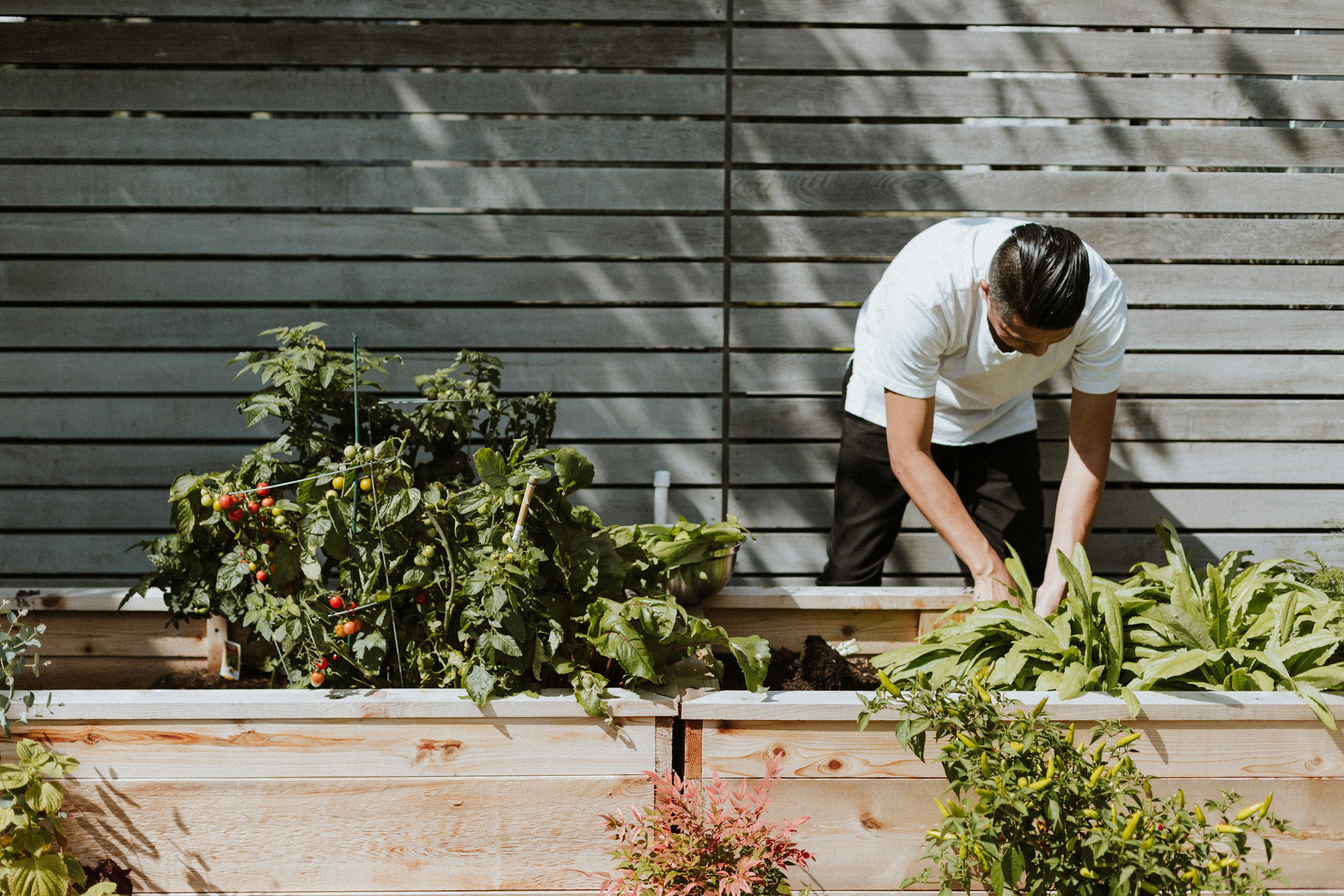
Meanwhile, the households still gardening aren’t dabbling. That $740 average per household reflects real investment: raised beds, better and longer-lasting tools, native plants suited to a changing climate, and increasingly, hardscaping — the patios, retaining walls, and permanent garden structures that turn a yard into something closer to an outdoor room. You can see this same pattern showing up in what the big retailers are telling their investors. In Lowe’s second-quarter 2026 earnings call, executive vice president of merchandising William Boltz noted that the company’s “spring seasonal categories performed well throughout the first half of the year as customers responded to compelling value in Live Goods, Hardscapes, and landscape products,” according to Lowe’s own second-quarter 2026 transcript. At the same time, Boltz acknowledged that comparable transactions in outdoor and seasonal categories declined 2.1%. Fewer trips to the garden center, but more meaningful purchases once shoppers arrived.
Money and Time Are Squeezing Out the Casual Gardener
If you want to know why millions of households are dropping out even as spending sets records, the barriers gardeners themselves report point the way. In Axiom’s 2026 Gardening Outlook Survey, an independent research effort tracking gardening behavior year over year, money and budget were cited by 33.5% of respondents as their primary limitation, with time constraints close behind at 31.3%, according to Axiom’s 2026 Gardening Outlook Survey. That same research found a striking generational split in who’s still willing to spend more: 63.9% of Gen Y gardeners planned to increase their gardening spending in 2026, compared with just 31.4% of Gen X. Put plainly, younger households with more flexible routines and a longer runway of gardening years ahead of them are the ones doubling down, while households further along in careers and family obligations are the ones for whom gardening is proving easiest to let go.
Lowe’s own commentary echoes this shift in intensity rather than volume. Chief financial officer Brandon Sink described “affordability” as customers’ major concern, one “translating to prioritization of repair maintenance spend” over larger discretionary projects, and executive vice president Joe McFarland noted that even professional landscaping customers are reporting “consistently smaller projects focused on repair and maintenance needs rather than larger remodeling jobs.” Nobody is abandoning their yard. They’re just being far more selective about what they’ll pay for in it.
Is Gardening Actually Getting More Expensive?
Here’s a detail that matters if you’ve ever wondered whether it’s you or your wallet: the 2026 edition of the survey introduced a “Spending in Real Terms” section that weighs its dollar figures against Bureau of Labor Statistics inflation data, and it found cumulative price increases ranging from roughly 25.9% to as high as 50.2% for gardening-related services since the pre-pandemic period, per the 2026 National Gardening Survey. That means at least some of that record $79.0 billion isn’t new enthusiasm at all. It’s the same wheelbarrows, mulch deliveries, and lawn-care visits costing meaningfully more than they used to. For a household on a tight budget, that’s the difference between a hobby that used to run $40 a weekend and one that now runs closer to $60, and for a lot of families, that gap is exactly wide enough to push gardening off the list.
What This Means for Your Own Yard
None of this should scare you away from a trowel. If anything, it’s useful information for deciding where your own gardening dollars actually do the most good. Perennials and native plants, the same categories the committed gardeners are investing in, cost more upfront but don’t need re-buying every season the way annual flats do. Raised beds are a real expense the first year and then essentially free every year after. And if budget or time is genuinely the obstacle, as it is for roughly a third of gardeners surveyed, starting embarrassingly small, a single container of herbs on a windowsill, a few tomato plants in five-gallon buckets, is a completely legitimate way back in, and costs a fraction of what a full landscaping overhaul does. The data isn’t telling you gardening has to be expensive. It’s telling you that the people who’ve stuck with it have decided it’s worth investing in properly, and the people who left mostly cite money or time rather than a loss of interest in the garden itself.
What’s really going on here isn’t that Americans fell out of love with gardening or suddenly fell in love with spending on it. It’s that the pandemic-era garden boom created millions of casual, low-investment gardeners almost overnight, and three or four years later, ordinary financial and time pressure is sorting that group into two much smaller camps: people for whom the garden earned a permanent place in the household budget, and people for whom it quietly didn’t. The record spending figure and the exodus figure are, in that sense, the same story told from two different rooms in the same house.