


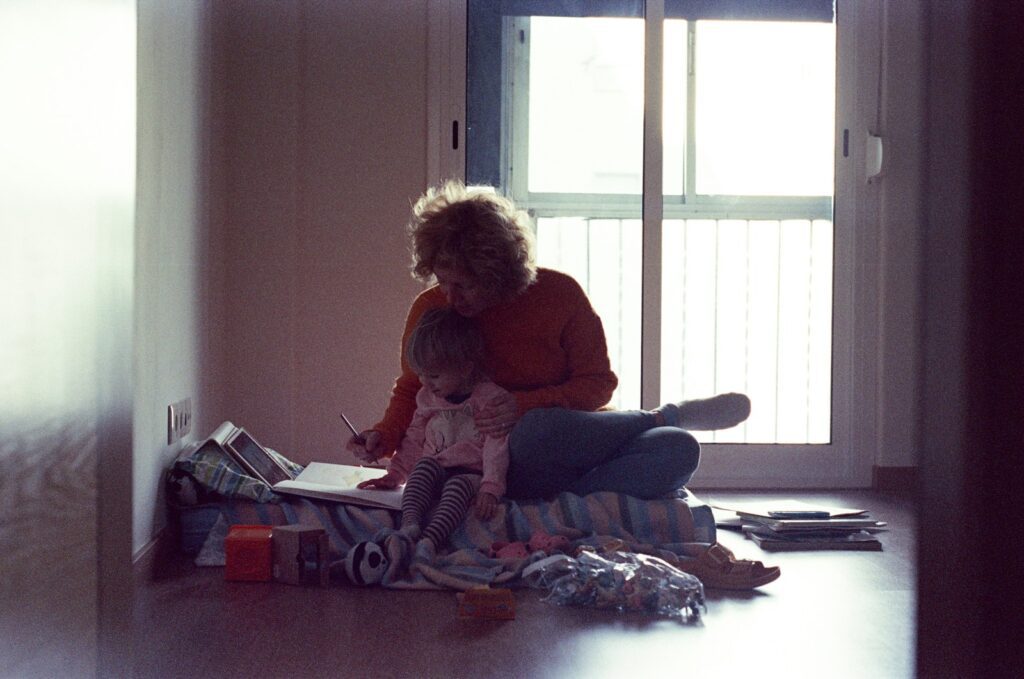
One mom was caught off guard when she decided to stop babysitting her nieces after feeling the weight of a situation that seemed to spiral out of control. Her younger niece, Harper, had been struggling in ways that left the family searching for answers. Harper’s behavior and health concerns led the aunt to take a stand, demanding that the child’s parents seek professional help.
Harper, just five years old, was facing a barrage of challenges. From frequent accidents to wandering off during school hours, the aunt had reached her limit. With Harper wearing pull-ups due to ongoing issues and being sent home from school for attempting to climb fences or getting into art supplies, the situation was becoming untenable. Add to that the fact that Harper seemed oblivious to her surroundings, often not responding when called, and it was clear that something was amiss.


The aunt had taken on a significant role in her nieces’ lives, handling school pickups and chaperoning field trips. While her older niece, Eloise, had been diagnosed with anxiety and suspected ADHD, the younger Harper’s behavior raised more pressing concerns. Despite her reading skills being ahead of her age, the discrepancy between her academic abilities and her day-to-day behavior led the aunt to question what lay beneath the surface.
Harper’s challenges included wandering off, forgetting to eat or drink, and even requiring a leash in public due to multiple instances of going missing in stores. The family had taken considerable precautions, installing child locks on doors and windows and using multiple locks on cabinets to keep Harper safe at home. Yet still, the aunt felt overwhelmed by what seemed to be an unmanageable situation.
After one particularly chaotic week where Harper was sent home again, the aunt finally reached her breaking point. She expressed her frustrations to her brother, stating that she could no longer babysit the girls unless Harper saw a doctor. The request was met with resistance. Harper’s parents viewed her behavior as manageable, even dismissing the aunt’s concerns as unwarranted.
Family dynamics quickly came into play, with the aunt feeling pressured by relatives who insisted she had no right to demand medical attention for her niece. This led to a divide: one side empathized with the aunt’s position while the other supported the brother’s concerns about her refusing to help. As the aunt stood firm in her decision, it brought to light the complexity of family roles and responsibilities when it comes to children’s health.
People had very different reactions to the aunt’s post on Reddit. Some thought she was justified, arguing that the wellbeing of the child should take priority over family obligations. Others pointed out that demanding a doctor’s visit might have crossed a line, especially when the brother believed that Harper was just a lively kid needing some extra patience.
Responses varied widely, with some suggesting that the aunt should have handled the situation differently, perhaps by offering help in a more constructive way rather than issuing ultimatums. Others commended her for speaking up for Harper, emphasizing the necessity of addressing potential health issues early on. It seemed to tap into a larger conversation about mental health, awareness, and the often blurred lines of family obligations.
As the discussion unfolded, it raised uncomfortable questions about how families manage difficult behaviors in children. Should relatives intervene when they see signs of potential problems, or should parents have the final say over how they choose to handle their child’s needs? The aunt’s choice to step back may have been a wake-up call for her brother, but it also brought tension to the family unit.
In the end, the story leaves many pondering what role extended family should play in children’s health and development. The aunt made a tough call, but was it the right one? As questions linger about how to address children’s health concerns, the complexities of family support and responsibility remain tangled in uncertainty.
More from Decluttering Mom: