


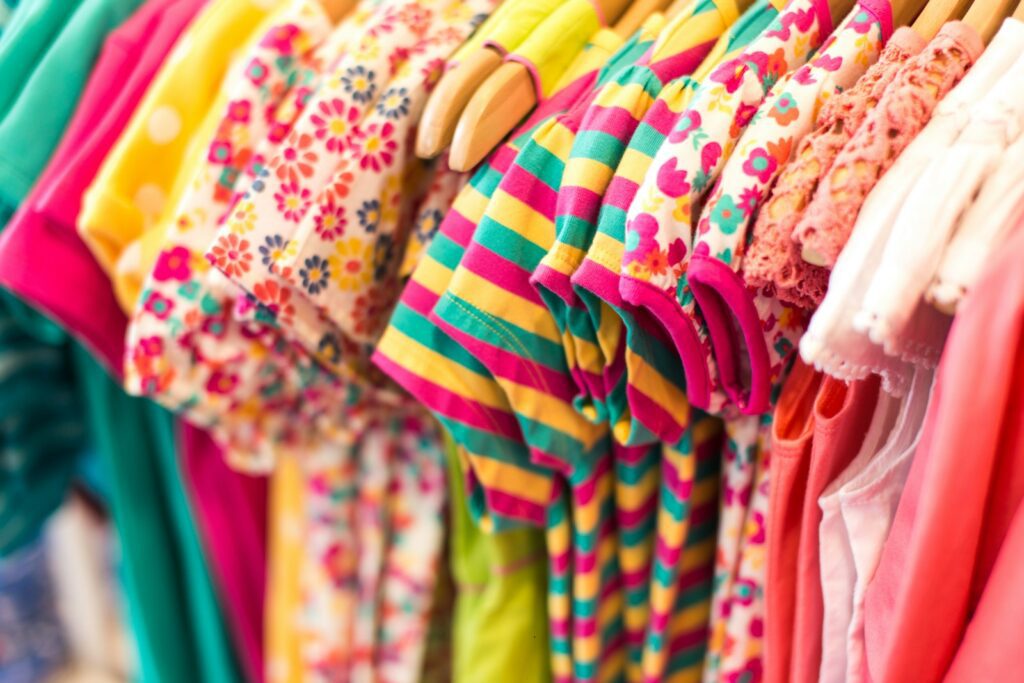
Baby clothes have a way of turning into background clutter before moms even realize it is happening.
It starts innocently enough. A few hand-me-down bags show up. Someone passes along a bin of sleepers. You keep the tiny outfits you loved “just in case.” Then suddenly there are sizes in three directions at once, drawers that do not close, and storage bins full of things your baby cannot wear yet, already outgrew, or may never use at all.
That is usually the point where the pile stops feeling helpful and starts feeling like it is quietly taking over.
One mom in a recent decluttering discussion put that overwhelm into words after moving and having a baby, saying she was shocked by how much stuff had piled up in just eight months. Another mom replied that at this stage, having less often helps more than trying to manage too much through complicated rotation systems.

The Problem Is Not Just the Clothes
What makes baby clothing clutter so hard is that it rarely feels like ordinary clutter.
A lot of it came from someone generous. Some of it saved money. Some of it reminds you of a stage that already passed too fast. And some of it feels risky to let go of because babies grow unpredictably and it is easy to think you might need all of it later.
So moms do what makes sense in the moment: they keep everything.
The trouble is that “keep everything for now” turns into an exhausting system fast. Current-size clothes get mixed with future sizes. Special outfits sit beside stained basics. Bags of hand-me-downs stay sealed because opening them feels like one more project. Instead of making life easier, the backup stash starts creating more work.
The Reset That Actually Helps
What works better is a simple reset built around timing, not emotion.
The goal is not to decide the fate of every single baby item in one sitting. The goal is to separate what matters right now from what is just sitting there because no one has made a clear decision yet.
A practical reset looks like this:
Current size stays accessible.
Next size gets one clearly labeled bin.
Outgrown clothes leave the active space immediately.
Anything beyond the next size stops living in the main system unless there is a very specific reason to keep it close.
That is the shift that helps most. Instead of treating every hand-me-down like it belongs in your everyday space, you narrow the working wardrobe and give everything else a more intentional place.
Why Hand-Me-Downs Spiral So Fast
Hand-me-downs feel free, which makes them harder to question.
When money is tight, or even when it is not, it can feel almost wrong to pass along clothes your child might eventually wear. But volume has a cost too. Too many options make it harder to see what fits, harder to put laundry away, and harder to know what is actually useful.
And baby clothing has another problem: the timeline moves fast.
By the time you finally sort that giant pile of 6-to-9-month clothes, your baby may already be halfway into the next size. That is how useful clothing turns into storage clutter without anyone meaning for it to.
The reset only works when moms stop organizing all possible clothes and start organizing only the clothes that support the life stage they are in right now.
What to Keep, What to Store, What to Let Go
This is where a lot of moms get stuck, so the questions need to stay simple.
Keep close:
- what currently fits
- what will fit next very soon
- true favorites you know you would reach for again
Store separately:
- the next size up, if it is seasonally relevant and actually wearable
- a very limited group of sentimental pieces
Let go:
- anything stained, uncomfortable, fussy, or never chosen
- duplicates you would not realistically use
- oversized bags of hand-me-downs you keep moving around but never sort through
That last category matters. If a bag has been sitting untouched for months, it is probably not functioning like help anymore. It is functioning like delayed decision-making.
The Best Baby-Clothes Systems Are Boring
That is the truth most overwhelmed moms eventually discover.
The best system is not the prettiest one. It is the one that makes laundry easier, helps you find what fits, and stops future sizes from swallowing your current space. In another comment from that same discussion, a mom of six said toy systems work best when they are simple and minimal enough to maintain in real life. The same logic applies here too.
A reset works when it is boring enough to keep up with:
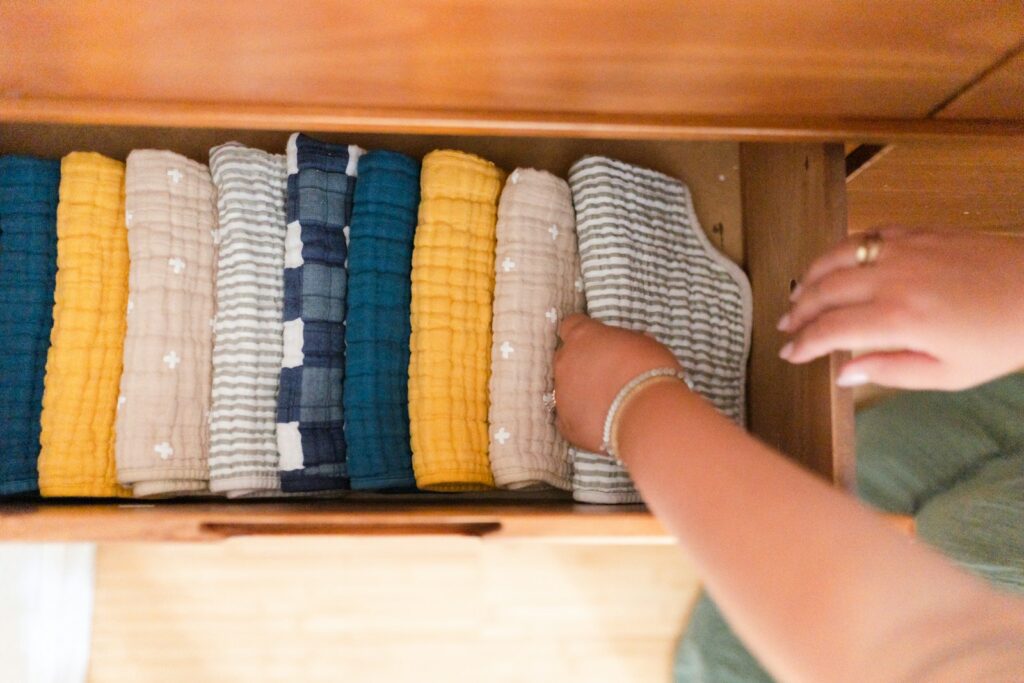
one drawer for now,
one bin for next,
one exit route for everything else.
That is usually what stops hand-me-downs from becoming permanent clutter.
Because the goal is not to keep every possible outfit your child might someday wear.
It is to make the stage you are living right now easier to manage.
More from Decluttering Mom: