


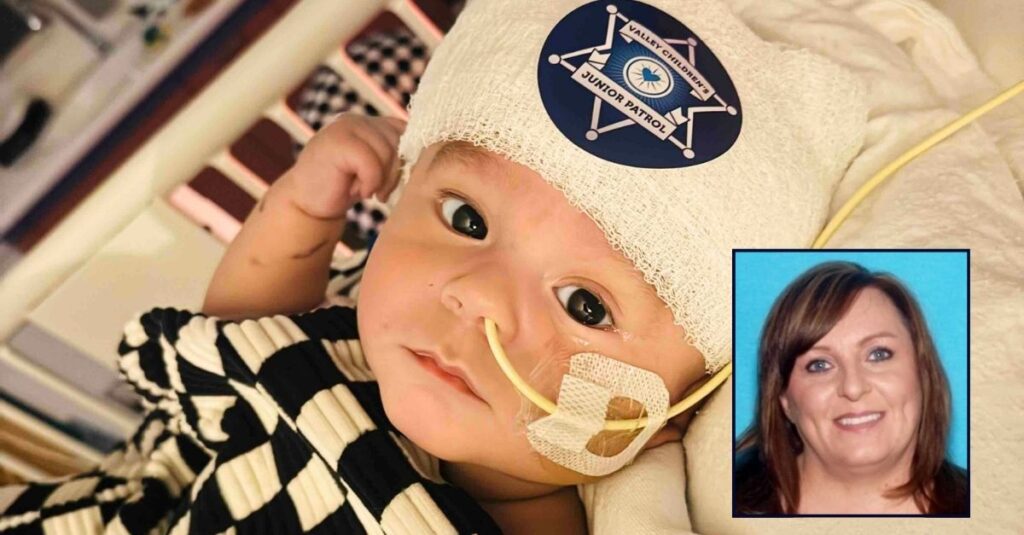
The call every parent dreads did not come from a hospital or a 911 dispatcher. It came over FaceTime, with a babysitter allegedly walking the baby’s parents through how their 3‑month‑old son had just been gravely hurt in her care. By the time the video chat ended and the family reached the emergency room, surgeons would be preparing to remove part of the infant’s skull and confront injuries that doctors say will shape the rest of his life.
Investigators now say that what happened to baby Braxton inside a Madera County home was not a freak accident but a violent assault, and that the babysitter’s own words on that FaceTime call helped unravel her story. The case has turned one family’s private nightmare into a public warning about shaken baby syndrome, the limits of trust, and what to do when something about a caregiver’s explanation just does not add up.
Inside the babysitting job that turned into a medical emergency

According to investigators, the day started like any other for Braxton’s parents, who left their 3‑month‑old with a sitter they believed they could trust while they went to work. Sometime later, that ordinary handoff spiraled into panic when the babysitter contacted them over FaceTime, not just to say something was wrong, but to describe how the baby had been injured. In that call, she allegedly tried to explain away catastrophic trauma as the result of a fall, a version of events that would quickly collide with what doctors and deputies saw when they examined the child and the scene, according to a detailed investigative account.
By the time Braxton reached the hospital, physicians were staring at injuries that simply did not line up with a short tumble from a couch or bed. The baby’s pupil had ruptured, his brain was swelling, and surgeons were forced to remove half of his skull to relieve the pressure and save his life, according to the family’s description of what they were told by doctors in a separate family account. For a 3‑month‑old, whose bones are still soft and whose brain is still wiring itself in real time, that level of trauma is not just a medical crisis, it is a fork in the road for every future milestone.
The allegations against babysitter Tonya Hamilton
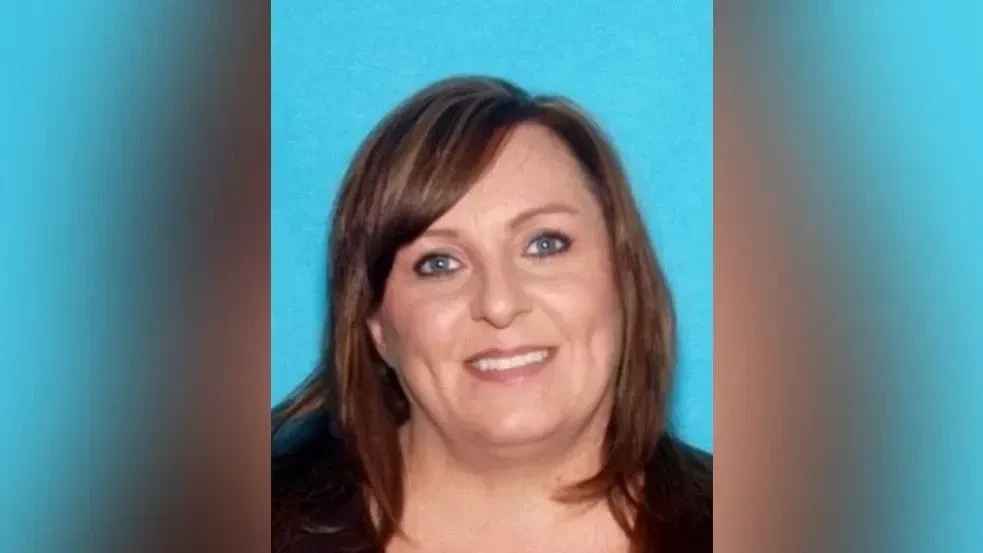
Once Braxton was stabilized, attention shifted quickly to the woman who had been watching him. Authorities identified the babysitter as Tonya Hamilton, and say she initially tried to convince both the parents and law enforcement that the baby had been hurt in a fall. Investigators with the Madera County Sheriff’s Office, however, say Hamilton later admitted during questioning that she had shaken the infant, a detail that sharply reframed the FaceTime call and the earlier story she had told the family, according to a charging narrative that names Tonya Hamilton and the Madera County Sheriff’s Office.
Detectives say the case was serious enough that child welfare workers were looped in early, and that the alleged shaking was not a momentary lapse but a violent act with permanent consequences. In a separate portion of the same investigative record, the sheriff’s office underscored why they treat such cases so aggressively, warning that “Shaking a baby, even for a few seconds, can cause permanent brain injury or death,” and urging anyone who suspects abuse to contact Child Protective Services and law enforcement rather than accept a story that does not fit the injuries, a message captured in a section focused on Shaking.
What doctors say happened to baby Braxton’s body and brain
For Braxton’s parents, the medical jargon came in waves: subdural bleeding, swelling, seizures, skull removal. After the alleged shaking, doctors told the family that the 3‑month‑old had suffered such severe brain trauma that part of his skull had to be removed to give his brain room to expand without crushing vital tissue, according to a detailed description of his treatment that begins, “After his babysitter allegedly shook him,” and identifies him by name as Braxton Musselman. The family says his pupil ruptured, he began suffering seizures, and he now faces a long list of follow‑up surgeries and therapies that will stretch far beyond his first birthday.
Local deputies have echoed that assessment in public updates, saying that on January 13, 2026, they were called to a Madera County home where a three‑month‑old had suffered injuries that were “not consistent with any type of fall.” In one widely shared video post, the agency notes that “Baby Braxton” has already undergone two brain surgeries and shows images of the infant in a hospital bed, his head wrapped in bandages and monitors tracking his vital signs, a scene described in an Instagram reel that highlights Baby Braxton and cites engagement figures of 304 likes and 47 comments. For doctors, those numbers are a footnote next to the more sobering metrics they are watching: seizure counts, oxygen levels, and the slow, uncertain signs that his brain is still fighting.
A family’s fight in Madera County and the long road ahead
Back in Madera County, Braxton’s parents have been shuttling between hospital rooms, meetings with detectives, and the kind of paperwork no one imagines filling out for a newborn. In another video update, they describe how a local babysitter is accused of abusing their 3‑month‑old, leaving him hospitalized and facing a long recovery, while friends and strangers rally around the family with donations and messages of support, a scene captured in a clip that references a Madera County babysitter and closes with the line “Braxton’s a fighter.” The phrase has become something of a mantra for those following his story, a way to push back against the clinical language of neurosurgery with something more human.
At the same time, the family has been brutally clear about what doctors are telling them. In a fundraising message shared more broadly online, they say physicians have warned that “the road ahead will be long, uncertain, and incredibly expensive,” and that they are trying to give Braxton “the very best chance possible” at recovery, language quoted in a passage about Braxton that underscores just how much of his future is now tied to ongoing care. For a child who should be learning to roll over and track his parents’ faces, the milestones ahead are now measured in therapy sessions, follow‑up scans, and the hope that his brain can reroute around the damage.
Why shaken baby warnings matter for every parent and caregiver
As horrifying as Braxton’s case is, pediatric specialists say the mechanics behind it are tragically familiar. Shaken baby syndrome, sometimes called abusive head trauma, happens when an infant’s head is whipped back and forth so violently that the brain slams against the inside of the skull, tearing blood vessels and nerve fibers. The Madera County Sheriff’s Office has been blunt about the stakes, stressing in its public messaging that even a few seconds of shaking can be enough to cause permanent brain injury or death, a warning that appears in the same investigative summary that details how the babysitter’s story shifted once deputies pressed her on the injuries and the FaceTime call.
For parents, that message lands in a very practical way. It means that when a caregiver’s explanation does not match the severity of a child’s injuries, it is not overreacting to call 911, insist on a full medical workup, or reach out to child protection authorities. It also means being upfront with babysitters, grandparents, and anyone else watching a baby about how to handle inconsolable crying without resorting to shaking, and about the reality that walking away for a minute to cool down is always safer than losing control. Braxton’s story, laid out in painful detail in both law enforcement records and the family’s own words, is a reminder that trust is not a safety plan on its own, and that the line between a normal day of childcare and a life‑altering emergency can be crossed in a matter of seconds.
More from Decluttering Mom: