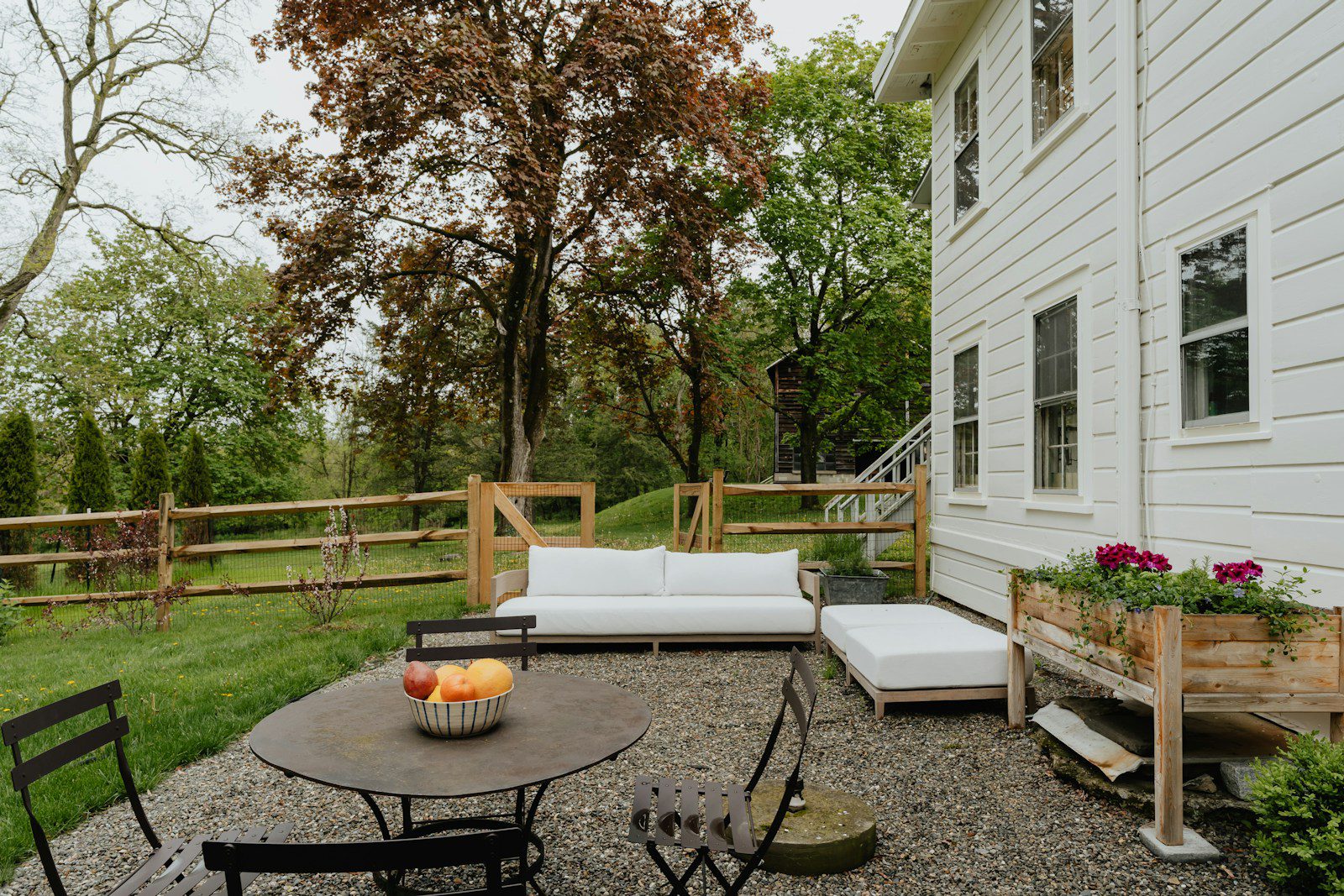
If you’ve been eyeing a stone or paver patio for your backyard, here’s a number worth knowing before you sign a contract: the average patio recoups only about 46 cents on every dollar spent when a home sells, according to the newest Cost vs. Value Report from Zonda, the industry’s longtime authority on remodeling ROI. That’s a $51,454 average project adding back just $23,672 in resale value. For a project this beloved, this often requested, and this expensive, that’s a strikingly poor showing. Meanwhile, a wood deck built for a third of the cost recoups nearly 95 percent. So before you commit your renovation budget to a sprawling paver patio, it’s worth understanding why this particular project lags so far behind, and what actually pays you back.
The Number That Surprises Everyone
Zonda’s 2025 Cost vs. Value Report, now in its 38th year, tracks 28 common remodeling projects across 119 U.S. markets, using data pulled from contractor and appraiser surveys alongside Zonda’s own construction cost estimating tools. It’s the closest thing the remodeling world has to a report card, and this year, the backyard patio landed near the bottom of the class. A national average job cost of $51,454 returns only $23,672 at resale, a 46 percent recoup rate that ranks among the weakest of every project the report tracks. For comparison, that’s a lower return than a midrange bathroom remodel, a new roof, or even a primary suite addition in many markets.
That figure tends to catch homeowners off guard, and understandably so. Patios are everywhere on renovation wish lists. They’re the backdrop for summer dinners, morning coffee, and the kind of backyard life you picture when you buy a house in the first place. But loving a space and recouping its cost at resale are two very different equations, and the data makes clear that patios sit firmly on the “do it for yourself” side of that line rather than the “do it for the next buyer” side.
Where the Real Payback Lives
If resale value is genuinely part of your calculation, the same report points you toward a different set of projects entirely. Garage door replacement tops the entire list this year at a remarkable 267.7 percent cost recouped, turning a $4,672 investment into $12,507 of added value. Steel entry door replacement isn’t far behind at 216.4 percent, and both projects share something patios don’t: they’re fast, relatively inexpensive, and instantly legible to a buyer walking up the driveway.
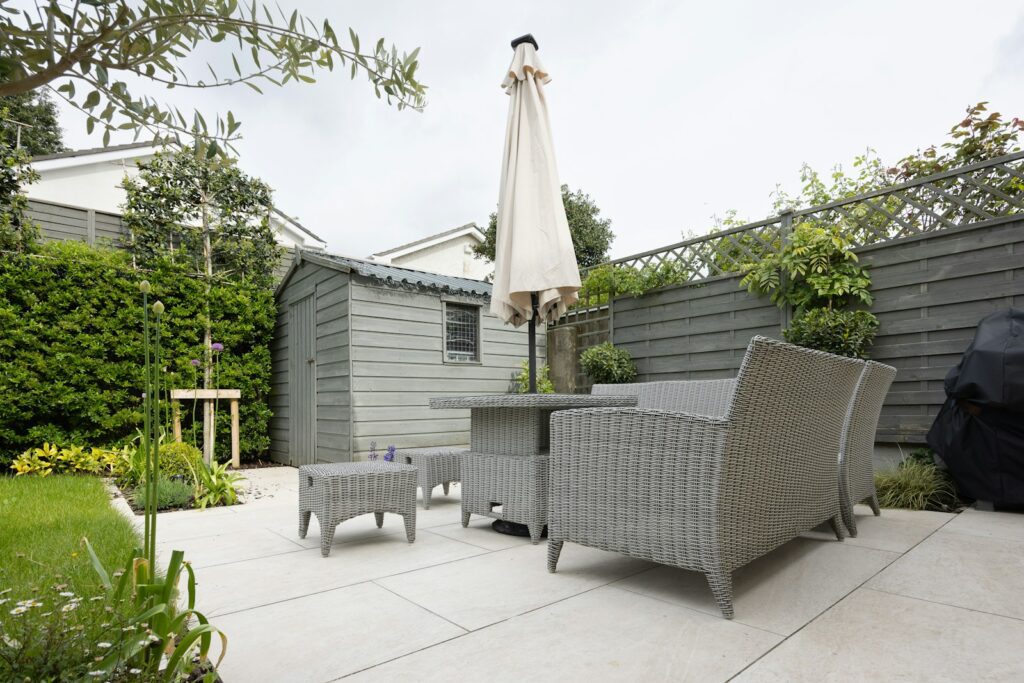
Decks, patios’ closest cousin in the backyard, tell an especially useful story. A wood deck addition recoups 94.9 percent of its cost, and a composite deck comes in at 88.5 percent, both dramatically outperforming a patio built for similar purposes at similar or higher cost. The Fixr.com analysis of this year’s report notes that eight of the top ten highest-ROI projects nationally are exterior upgrades, which only sharpens the contrast. Curb appeal and functional exterior fixes are rewarding homeowners handsomely this year. A backyard patio, despite living outdoors and often costing more than a deck, simply isn’t part of that winning circle.
Why Your Beautiful Patio Doesn’t Pay You Back
A few things are working against patios here, and none of them mean you made a bad choice by wanting one. The first is that hardscaping is deeply personal. A buyer touring your home sees your specific stone, your specific pattern, your specific footprint carved into the yard, and unlike a fresh coat of paint or a new front door, a patio isn’t something they can easily picture reimagined. Where one buyer sees a gorgeous flagstone entertaining area, another sees a hardscape they’d have to pay to rip out to get the lawn or garden they actually wanted. Appraisers and agents have long noted that highly customized outdoor features appeal narrowly rather than broadly, and a report this thorough bearing that out with hard numbers is notable.
The second factor is cost. Quality patio construction involves excavation, grading, drainage planning, a compacted base, and skilled masonry labor, all before a single paver or stone goes down. That labor-heavy, materials-heavy build adds up fast, which is part of why the national average job cost sits above $51,000, well beyond what either deck option costs. A deck, by contrast, is largely carpentry: framing, decking boards, railings. It’s faster to build, cheaper to price out, and easier for a buyer to value at a glance because decks are more standardized as a category. Patios ask buyers to pay a premium for craftsmanship and design choices that may simply not match their own taste, and the market is telling us, plainly, that most buyers aren’t willing to pay full price for someone else’s vision of outdoor living.
There’s also a visibility issue worth naming. A garage door or an entry door is the first thing anyone sees, inside every listing photo and every walkthrough. A backyard patio often sits behind the house, sometimes screened by fencing or landscaping, competing for a buyer’s attention with the yard itself, the pool if there is one, and whatever else is back there. It’s simply not doing the same first-impression work that exterior replacement projects are.
So Should You Skip the Patio?
Not necessarily, and this is really the heart of it. A 46 percent recoup rate isn’t a verdict on whether a patio is worth building, it’s a reminder to be honest about why you’re building it. If you’re planning to stay in your home for years and you genuinely want a place to grill, host, or just sit outside with a book, that daily enjoyment has real value even if it never shows up on a closing statement. Where the data becomes genuinely useful is in how you approach the decision. If resale is a real consideration and your timeline is short, a well-built deck will very likely serve you better financially, and pairing it with fresh garage and entry doors, both near the top of this year’s rankings, gets you far more bang for the same renovation dollar.
If a patio is still calling your name, you can narrow the gap. Right-sizing the footprint instead of maximizing it, choosing widely appealing materials over highly personalized ones, and keeping the design simple enough that a future buyer can picture their own furniture and their own life on it all help protect your investment without sacrificing the space you actually want. The Cost vs. Value numbers aren’t a warning to avoid outdoor renovation. They’re a nudge to spend with your eyes open, choosing projects that pay you back in the way that matters most to you, whether that’s dollars at closing or dinners under string lights in the meantime.