

Stop wrapping your baked potatoes in foil if you want crisp skin and a fluffy interior. Leaving potatoes unwrapped lets steam escape, so the skin dries and crisps while the flesh becomes light and fluffy — the difference is obvious at first bite.
You’ll learn why foil turns a potential crispy masterpiece into a soggy lump and how simple steps — washing, drying, oiling, and baking directly on the rack — give you the classic texture you crave. Expect practical tips that save time and avoid food-safety pitfalls when reheating or storing.
Keep the foil for campfires and grills, not the oven; this post shows how to get reliably crispy, perfectly cooked baked potatoes every time.

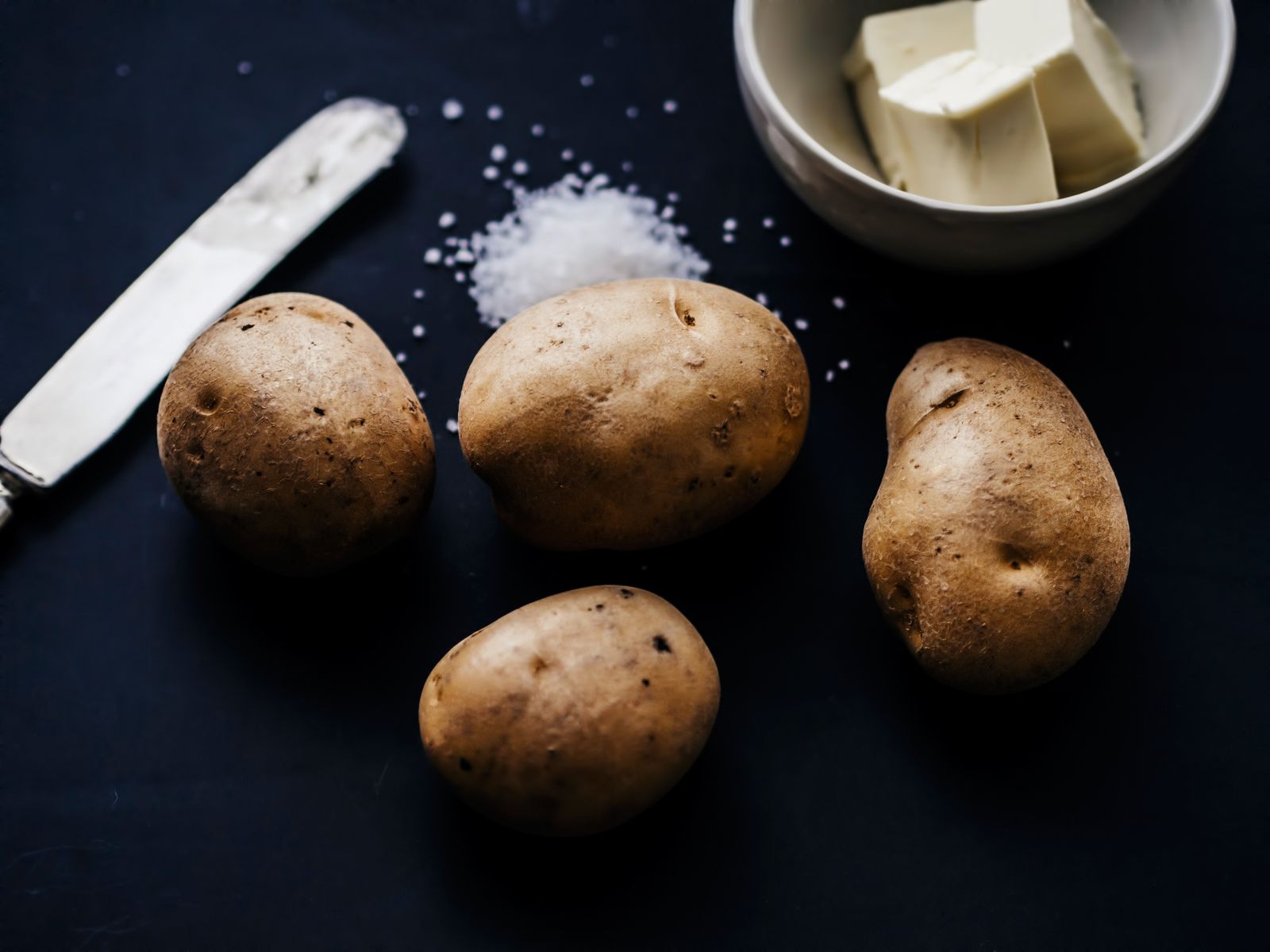
Why Ditching the Foil Improves Flavor and Texture
Removing foil changes how heat and moisture interact with the potato, so your skin crisps and the interior stays fluffy. You get more pronounced potato flavor and better texture contrast between the skin and flesh.
Crispy vs. Soggy: The Science Behind Potato Skins
When you bake a potato uncovered, its skin dries and browns from direct dry heat. That Maillard browning produces the toasty, savory notes you notice in a great baked potato. Crisp skin also gives you textural contrast against the soft interior when you cut it open.
Wrapping in foil traps steam against the skin. Moisture prevents browning and leaves the skin limp and soft. If you value a crisp, well-seasoned exterior—salted, oiled, and blistered—skip the foil so the surface can dehydrate slightly and develop flavor.
The Steaming Effect of Wrapping Potatoes in Foil
Aluminum foil seals moisture close to the tuber as it heats. The potato releases steam; the foil keeps that steam contained, and the potato essentially steams in its own vapor. That steaming cooks the interior but prevents the surface from drying and crisping.
Steamed potato skin won’t develop the same roasted aroma because the temperature at the skin surface stays lower and wetter. You also risk a soggy exterior and a less distinct texture between skin and flesh. Pricking the potato helps avoid bursting, but it doesn’t stop the foil from creating a steamy environment.
Flavor and Cooking Efficiency Without Foil
Baking potatoes directly on the oven rack or on a parchment-lined sheet lets hot, dry air circulate around the whole tuber. This promotes even browning and concentrates flavor on the surface where oil and salt can adhere and caramelize. You’ll taste more roasted, nutty notes in the flesh near the skin.
Foil can slightly slow crisping because it insulates and holds steam; uncovered baking finishes with a drier skin in the same or slightly less time for medium-to-large russets. For best results, rub the skin with a teaspoon of oil and a pinch of salt before baking to boost both texture and flavor.
How to Bake Crispy, Fluffy Potatoes Every Time
Choose starchy or high-starch russets, prick the skin, rub with oil, and bake on a rack at moderate heat for even cooking and crispy skins.
Selecting the Best Baking Potatoes
Pick firm russet potatoes about 6–8 ounces each for a single serving.
Look for dry, rough skins and uniform shape so they cook evenly; avoid green spots or soft areas.
If you prefer a creamier texture, try a high-starch Yukon Gold, but expect slightly less fluffy interior than a russet.
Weighing potatoes helps: aim for similar sizes so you don’t overbake small ones while waiting for large ones.
Wash and dry each potato; moisture on the skin prevents proper crisping.
Store unwashed potatoes in a cool, dark place until ready to bake.
Prepping and Seasoning for Maximum Crispiness
Use a fork to puncture each potato 4–6 times to release steam and prevent bursting.
Pat the skin completely dry, then lightly coat with 1 teaspoon neutral oil (canola or vegetable) or 1/2–1 teaspoon olive oil for flavor.
Sprinkle kosher salt or flaky sea salt over the oiled skin to promote texture and seasoning.
For extra crispness, let the oiled potatoes rest 10–15 minutes so oil adheres.
Place potatoes directly on a wire rack over a baking sheet to allow air circulation and even browning.
Avoid wrapping in foil; foil traps steam and softens the skin, reducing the crisp exterior you want.
Baking Methods for Perfect Results
Preheat the oven to 375°F (190°C) for balanced cooking: crispy skin and a fluffy interior.
Bake on the middle rack for 50–70 minutes depending on size; a 6–8 ounce russet will often finish near 60 minutes.
Test doneness with a fork or skewer — it should slide in with no resistance.
If short on time, microwave for 5–6 minutes to soften, then transfer to a 450°F (232°C) oven for 15–20 minutes to crisp the skin.
For evenly cooked potatoes, place them on a wire rack or directly on the oven rack; put foil on the lower rack to catch drips.
After baking, let the potatoes rest 5 minutes before splitting to keep steam distributed and make scooping or fluffing easier.