

You probably think a quick wipe of the sink and a scrub of the toilet makes the bathroom clean — but small, ignored spots can still make the whole room feel grimy. Tackle the shower curtain liner, grout lines, exhaust fan cover, and high-touch spots like the toilet handle, and the bathroom will instantly look and smell fresher.
This post shows which hidden zones trap gunk and odors and gives simple, practical fixes you can use today to keep those trouble spots from undoing your cleaning. Keep reading to learn quick habits and targeted cleaning moves that make a real difference.
High-Touch Surfaces and Unseen Grime Zones
These spots collect the most germs, soap scum, and hidden residue because you touch or neglect them every day. Target cleaning and disinfecting, and use tools that reach tight gaps to stop grime from spreading.
Toilet Handles, Flush Levers, and Door Knobs

Toilet handles and flush levers get constant contact and often sit wet or soiled between cleanings. Wipe them with an EPA-approved disinfectant or a 70% isopropyl solution, letting the surface stay wet for the contact time on the label. Use a microfiber cloth to avoid streaks and to trap microbes instead of smearing them around.
Door knobs and bathroom door handles transfer germs in and out of the room. Clean them every time you deep-clean the bathroom and disinfect more often in shared homes. Pay attention to the base and the latch where dirt builds; an old toothbrush or cotton swab loosens grime from tight crevices.
Sink and Faucet Handles
Faucet handles show up as a top germ hotspot because you touch them with wet, soapy, or soiled hands. Remove mineral buildup and soap film by applying a mild descaler or vinegar, then scrub with a soft brush. Rinse and dry to reduce water spots and prevent rapid re-soiling.
Disinfect handles after heavy use or if someone in the house is sick. Wipe the entire sink rim, overflow slot, and the base of the faucet with a disinfectant and a fresh microfiber cloth. Replace cloths frequently to avoid cross-contamination.
Shower Curtain Liners and Shower Door Tracks
Shower curtain liners trap soap scum and mildew along the bottom and folds; if you skip them, mildew growth makes the whole room smell and look unclean. Machine-wash vinyl liners on a gentle cycle with hot water and a small amount of detergent, or spray fabric liners with a mildew cleaner and hang to dry.
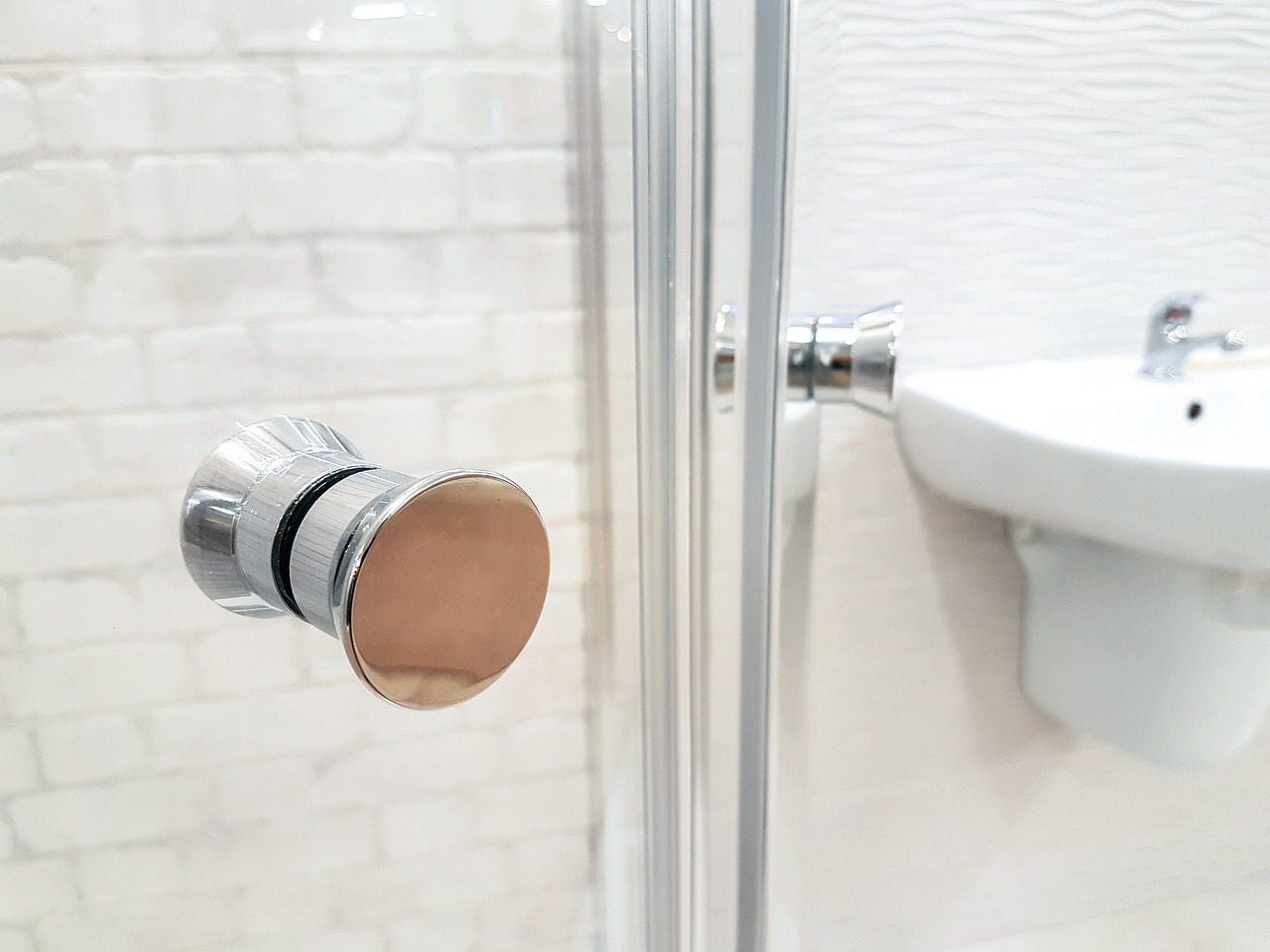
Shower door tracks capture hair, soap residue, and mineral deposits that impede drainage and look grimy. Remove the track insert if possible and soak in a vinegar solution, then scrub with a toothbrush or small scrub brush. Wipe dry and run a squeegee after each shower to minimize residue.
Grout Lines and Behind the Toilet
Grout darkens quickly when you ignore it; trapped soap, body oils, and mildew make grout look dingy and make the bathroom feel dirty. Use a baking soda paste or a commercial grout cleaner, apply with a stiff brush, and rinse thoroughly. Seal grout every 6–12 months to block moisture and staining.
Behind the toilet hides splashes and dust that you don’t see but smell. Pull the toilet forward if you can, or use an angled mop head and disinfectant spray to clean the floor and baseboard area. Don’t forget the toilet brush holder; sanitize it after cleaning the bowl to prevent transferring grime back onto surfaces.
Missed Details That Cause Persistent Odors
Small, hidden spots can hold hair, toothpaste residue, moisture, and grime that slowly feed odors. Target places where water pools, brushes sit, or airflow is restricted and use simple tools and cleaners to remove buildup and stop smells at the source.
Toothbrush Holders and Drain Stoppers
Toothbrush holders collect wet toothpaste, saliva, and hair; removable holders often hide mildew in the bottom or inside grooves. Empty the holder, soak it 15 minutes in warm water with 1–2 tablespoons of baking soda or a diluted disinfectant, then scrub with an old toothbrush and rinse. Let it air-dry on a clean towel or dry with a microfiber cloth before returning brushes.
For metal drain stoppers, hair and soap scum wrap around the post and trap odors. Pull the stopper, remove visible gunk, and soak metal parts in vinegar for 10–20 minutes if you see mineral or soap buildup. Flush the drain with hot water, then run a paste of baking soda and vinegar down the pipe and rinse after foaming finishes to clear residue.
Under-Sink Cabinets and Medicine Cabinets
Under-sink areas trap leaks, spilled toiletries, and damp cleaning rags that breed musty smells. Remove everything, inspect for slow leaks around supply lines and the trap, and replace any wet sponges or cloths. Wipe surfaces with a disinfectant or a 1:10 bleach solution for tough biofilm, then dry with a microfiber cloth and leave a small desiccant or baking soda box to absorb future moisture.
Medicine cabinets hold expired creams and aerosol residue on shelves and behind bottles. Pull everything out, check expiration dates, and wash shelves with warm soapy water followed by a disinfectant wipe. Keep frequently used items in shallow trays to avoid spills; label and rotate items so nothing leaks or festers out of sight.
Exhaust Fans, Air Vents, and Baseboards
Exhaust fans and vents collect dust and moisture that reduce air exchange and let odors linger. Unplug or switch off power, remove the grille, vacuum dust with a brush attachment, then wash the grille in warm soapy water. Wipe fan blades with a damp microfiber cloth and a light disinfectant; if you see mold, use a diluted bleach solution and allow full drying before reassembly. See tips on cleaning vents for airflow and odor control from this guide to overlooked bathroom areas (https://realsimple.com/bathroom-spots-everyone-forgets-to-clean-11867119).
Baseboards and toe kicks near the floor collect hair, deodorant spray, and urine drips that cause localized smells. Run a vacuum crevice tool first, then wipe baseboards with a damp microfiber cloth and an all-purpose cleaner or mild disinfectant. Pay special attention to seams where the floor meets the baseboard; dry those areas thoroughly to prevent recurring odors.