


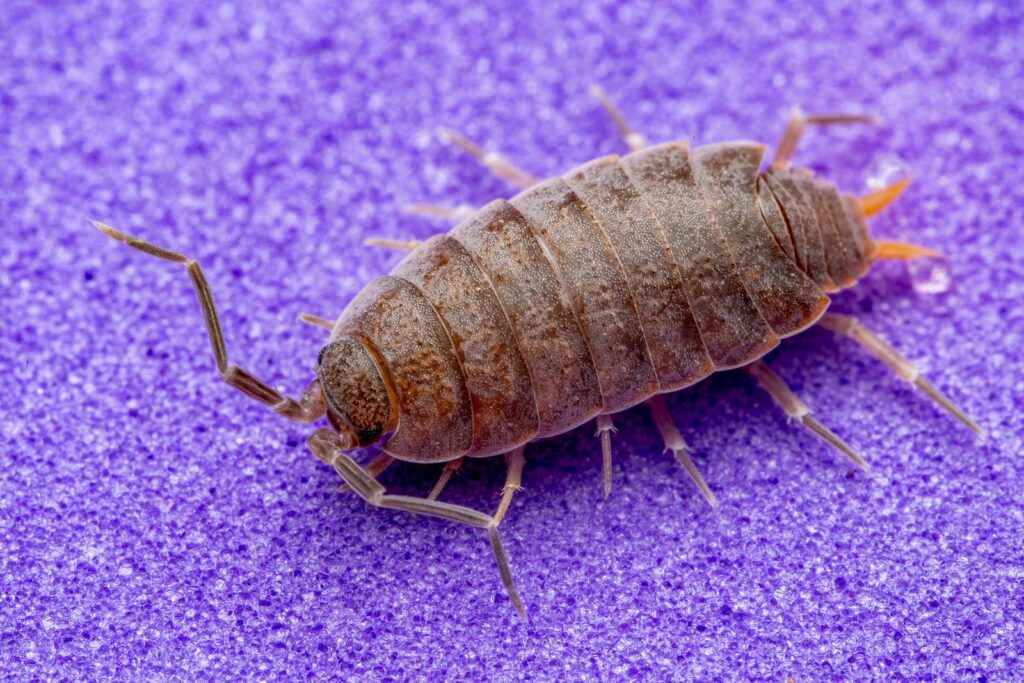
Bed bug reports reliably climb the moment kids head back to school and dorm move-in season starts, and pest control professionals point to one specific culprit more than any other: laundry bags. Nearly half of pest control professionals, 46 percent, have personally encountered bed bug infestations in college dormitories, according to the National Pest Management Association’s own Bugs Without Borders industry survey. That single statistic explains why a problem most people associate with hotel travel shows up just as reliably in late August and early September, right alongside backpacks and moving boxes.
Shared living spaces are the core issue, not dirty rooms. Bed bugs don’t care how clean a dorm room is. They spread through close contact between people’s belongings, and a dormitory packs an entire building’s worth of students, luggage, and used furniture into a small footprint for move-in weekend. College dorms rank among the most commonly reported infestation sites pest professionals track, alongside single-family homes, apartments, and hotels, which puts a freshman’s first week in the same infestation-risk category as a hotel stay.

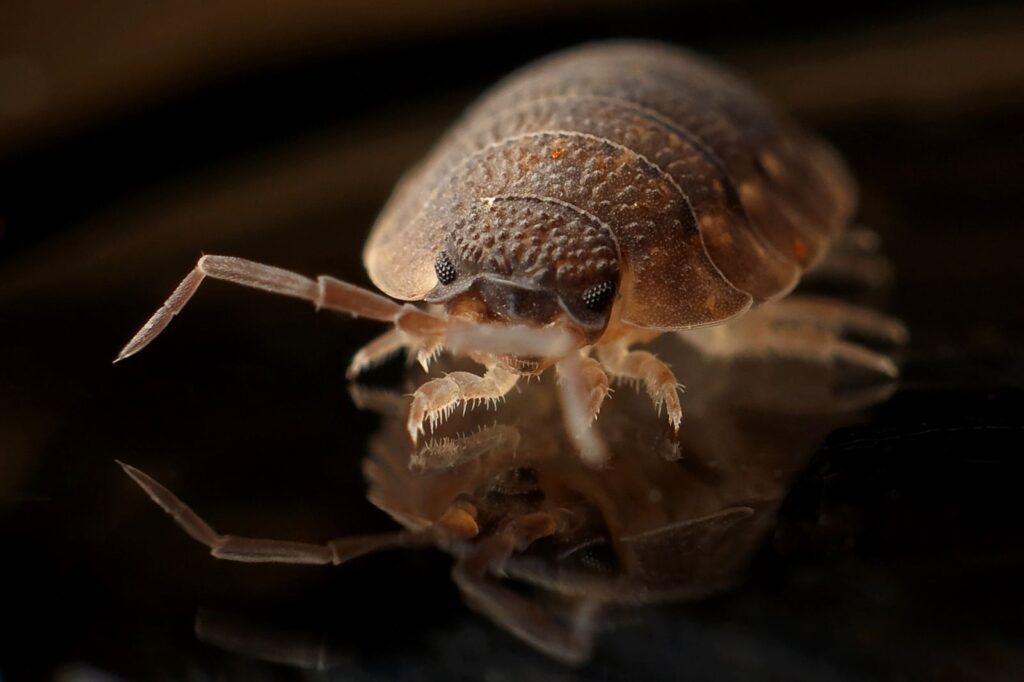
Laundry bags carry more risk than suitcases get credit for. A packed suitcase gets unpacked once and then usually sits closed in a closet. A laundry bag gets filled, hauled to a shared laundry room, set down on a folding table or the floor, and repeated every week or two for an entire school year. Each trip is another chance for the bag to pick something up from a table, a chair, or a previous bag that sat in the same spot, which makes it a far more active vector than the luggage that gets all the attention in travel-season warnings.
Secondhand furniture is the other major entry point. Move-in season means a steady flow of used couches, mattresses, and desk chairs coming into dorms and off-campus apartments from thrift stores, curbside finds, and whatever the previous tenant left behind. Upholstered furniture is exactly the kind of material bed bugs settle into undetected, and a piece that looks perfectly clean can already be carrying an infestation nobody has noticed yet.
The pattern isn’t limited to dorm rooms. Schools and daycare centers rank close behind dormitories in the National Pest Management Association’s own infestation data, cited by nearly half of pest professionals surveyed, which tracks with the same back-to-school timing. A kid doesn’t need to live in a dorm for the September spike to reach their house — a backpack that sat on a classroom floor or a coat that hung in a crowded cubby works the same way a laundry bag does, just on a smaller scale and with a shorter commute home.
Detection lags behind the actual infestation by design. Bed bugs are most active at night and bites can take two to three days to show any visible reaction, according to the pest industry’s own data on infestation reporting. That delay means a room can already be infested for a week or more before anyone connects a few itchy spots to an actual bug problem, which is part of why campus infestations tend to be caught later than they start.
Catching it late turns a small problem into a building-wide one. Bed bugs travel through wall outlets, baseboards, and shared plumbing lines between adjoining rooms, which is why pest control professionals treat dormitory infestations as a floor-wide risk rather than a single-room issue the moment one gets confirmed. A problem caught in week one is a single mattress and a laundry bag. The same problem caught in week six can mean coordinated treatment across an entire wing, which is a far bigger disruption than the habit that would have prevented it.
One habit does more than any product. Washing and drying laundry-bag contents on high heat immediately after a laundry trip, rather than letting a full bag sit on a dorm room floor until the next load, is the single most effective prevention step pest professionals point to. Heat above about 120 degrees kills bed bugs and their eggs, and a dryer cycle does that far more reliably than any spray, trap, or scented product marketed for dorm rooms. Inspecting a laundry bag’s seams and the inside of any secondhand furniture before it comes through the door is the other half of the habit, since both are places an infestation gets a foothold before anyone notices.
The back-to-school spike isn’t really a seasonal mystery once the mechanics are laid out. It’s hundreds of students moving shared bags through shared spaces on a predictable schedule, with secondhand furniture arriving right alongside them, and a lag between exposure and detection long enough that most people don’t connect the dots until the problem has already settled in.