Paper piles up quietly. A few envelopes on the counter turn into a drawer full of statements, which turns into a box in the closet that nobody wants to open. Then comes the big decluttering weekend, the shredder gets pulled out, and in a burst of energy everything goes into the bin. It feels great, until a letter arrives asking for a record you just destroyed. Knowing what to keep, what to shred and what to simply recycle can save you a headache and possibly real money.
Why Paper Decluttering Is Tricky
Most of us hold on to too much paper, because we are afraid of throwing away something important. Others go the opposite direction and toss everything in one big purge. Both approaches cause trouble. Keeping every receipt since the day you got married is clutter. Shredding your tax records after a few months can leave you stuck if the IRS has questions about a past return.
The answer is not to keep everything or toss everything. It is to build a simple system with a short list of what must stay, a short list of what can go, and a safe way to get rid of the rest.
Tax Records: Keep Them Longer Than You Think
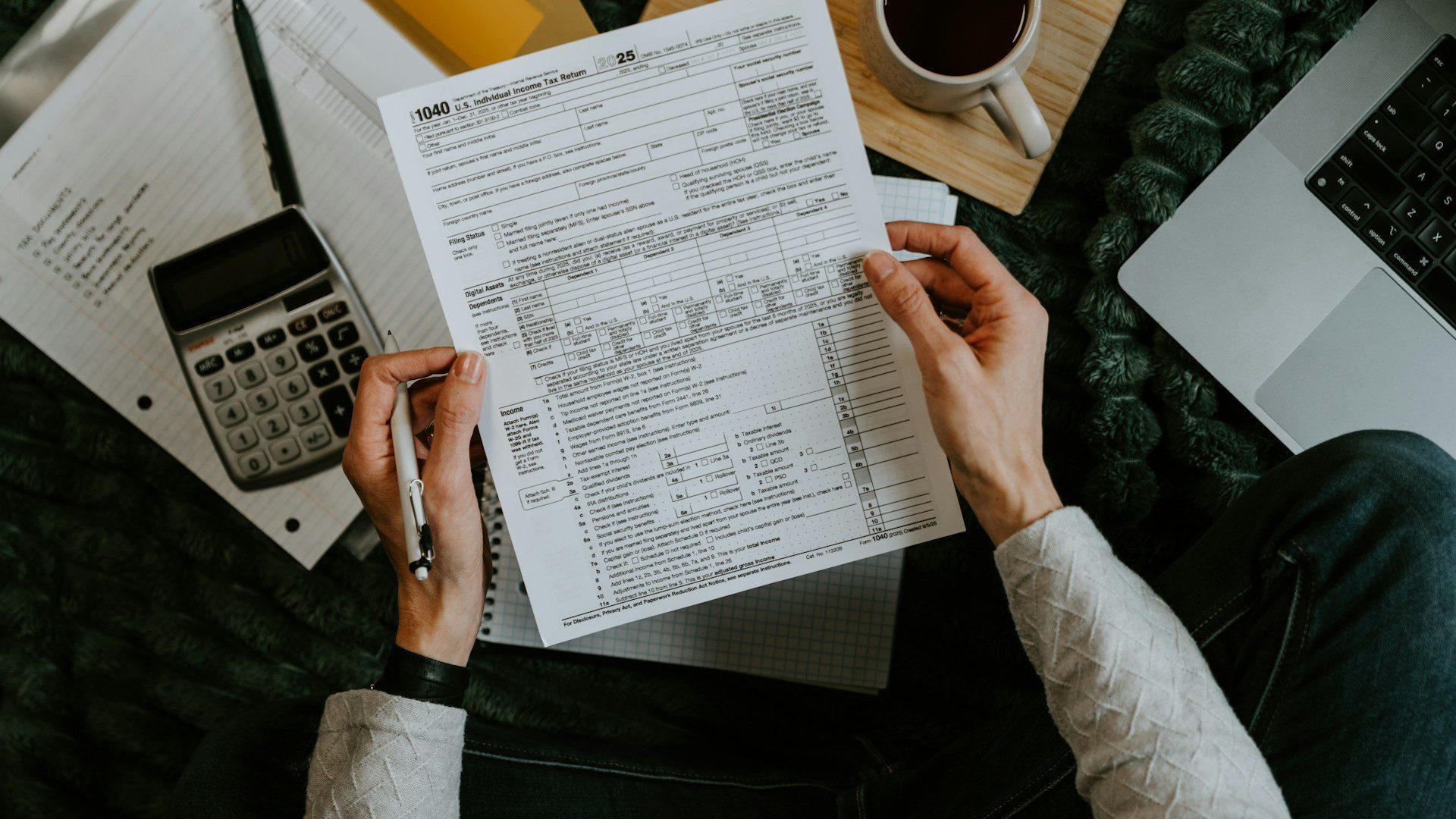
Tax papers are the ones that matter most. As a general rule, the IRS suggests keeping records that support your tax return for at least three years from the date you filed. That is the usual window in which the IRS can review a return or you can file an amended one. The records include things like income statements, receipts for deductions, canceled checks, and documents that back up credits you claimed.
But three years is a minimum, not a promise. Some situations call for holding records longer, such as if you did not report some income, or if you never filed a return at all. It is also wise to keep records about property, like a home or investments, for as long as you own the property and for a while after you sell it, since you need them to figure out your gain or loss. When in doubt, ask a tax professional about your situation, or check the guidance on the IRS website.
It is also smart to keep a copy of each filed tax return for much longer than the supporting papers. The returns themselves take up very little space, and they can help you when you apply for a loan, fill out financial aid forms or prepare future returns.
Papers to Keep for the Long Haul
- Birth certificates, marriage certificates, divorce papers and Social Security cards.
- Wills, trusts, powers of attorney and other legal documents.
- Deeds, titles and mortgage paperwork for as long as you own the property.
- Records of major home improvements, which can matter when you sell your house.
- Retirement account and investment statements that show what you put in.
- Military records, pension papers and insurance policies.
Store these important papers in a fireproof box or a safe place, and consider scanning them so you have a backup copy. Tell a trusted family member where to find them.
Receipts and Warranties
Not every receipt deserves a place in your files. Keep the ones that matter: receipts that support a tax deduction, receipts for big purchases you might need to return or insure, and receipts for items still under warranty. Once the return window or warranty has passed, you can let them go. A stack of grocery receipts from last year is not worth keeping unless you need them for something specific.
For warranties, keep the receipt and the warranty paperwork together, perhaps in a single folder labeled by year or by room. When the item is gone or the warranty has expired, shred the receipt. Take a photo of receipts on your phone if you want a backup, but still make a habit of clearing the digital clutter once in a while.
What You Can Shred Without Worry
Some papers are safe to shred as soon as you are done with them, as long as they contain personal information. This includes pre approved credit card offers, expired cards, old pay stubs once you have matched them to your annual statement, and bank or utility statements you no longer need. Anything with your name, address, account numbers or Social Security number should be shredded rather than tossed in the trash, since identity thieves can use even small details.
Junk mail, flyers, and old magazines without a label can usually go straight into the recycling. If a paper has nothing personal on it and nothing you need, it should not take up space in your home.
Build a Simple System
You do not need a fancy filing cabinet. A few folders in a drawer or a small file box can handle most households. Try categories like taxes, home, insurance, medical, banking and warranties. Add new papers as they arrive, and once or twice a year, go through each folder and remove what has passed its time.
Many people find it helpful to keep a single inbox spot for incoming mail. Go through it weekly: recycle the junk, shred the sensitive stuff you do not need, and file what you must keep. This takes only a few minutes and stops the pile from growing.
Go Digital, But Do It Carefully
Scanning papers can cut down on clutter, and a scanned copy is often fine for your own records. Use a secure folder with a strong password, and keep a backup in a second location. But do not destroy original documents like birth certificates, deeds or legal papers just because you scanned them. The paper copies may be required in some situations.
When in Doubt, Wait
If you are not sure whether a paper is safe to toss, set it aside in a box labeled “check later” and ask a tax preparer, an accountant or a lawyer. It is better to spend a few minutes asking than to shred something you cannot replace. A little patience now can spare you a lot of trouble if a notice ever shows up in your mailbox.
Decluttering paper should leave you feeling lighter, not nervous. Keep the records that protect you, shred the ones that could expose you, and recycle the rest. With a simple plan, the next time a letter arrives asking for proof, you will know exactly where to find it.
More Stories You May Like
- Seven Items That Sell Almost Instantly Are Listed by a Reseller Who Says Most People Do Not Know What They Have
- How to Thrift Things That Actually Sell Is Explained by a Reseller Who Says Most People Buy the Wrong Items
- Professional Says You Do Not Need Another Bin You Need Six Decluttering Rules That Actually Work