

You open the fridge, spot a carton of yogurt, and see the date stamped on the lid. It passed two days ago. Without a second thought, it goes right in the trash. A jar of salsa, a box of crackers, a can of beans, all of them are headed to the same place because the date has come and gone. Across the country, families do this every week, and a lot of perfectly good food ends up in the garbage.

The truth is that most of those dates are not safety deadlines at all. Understanding what they mean can save you real money at the grocery store, and there is one important exception you should never ignore.
What The Dates Really Mean
The United States Department of Agriculture explains that, with one exception, date labels on food are not required by federal law. Manufacturers add them to tell you how long the product is expected to be at its best quality. Phrases like “best if used by,” “best by,” “sell by,” and “use by” mostly describe quality and freshness, not whether the food is safe.
According to USDA guidance, a product is generally still safe to eat after its date has passed if it has been stored and handled properly. The taste, texture, or color may slowly decline, but that is different from being unsafe.
Know The Different Phrases
- “Best if used by” or “best by” tells you when the product will have its best flavor or quality.
- “Sell by” is a note for the store, helping it manage how long to keep an item on the shelf. You can still buy and use the food for some time afterward.
- “Use by” is the last date recommended for the product at peak quality.
None of these means the food becomes dangerous at midnight on the printed date.
The One Exception: Infant Formula
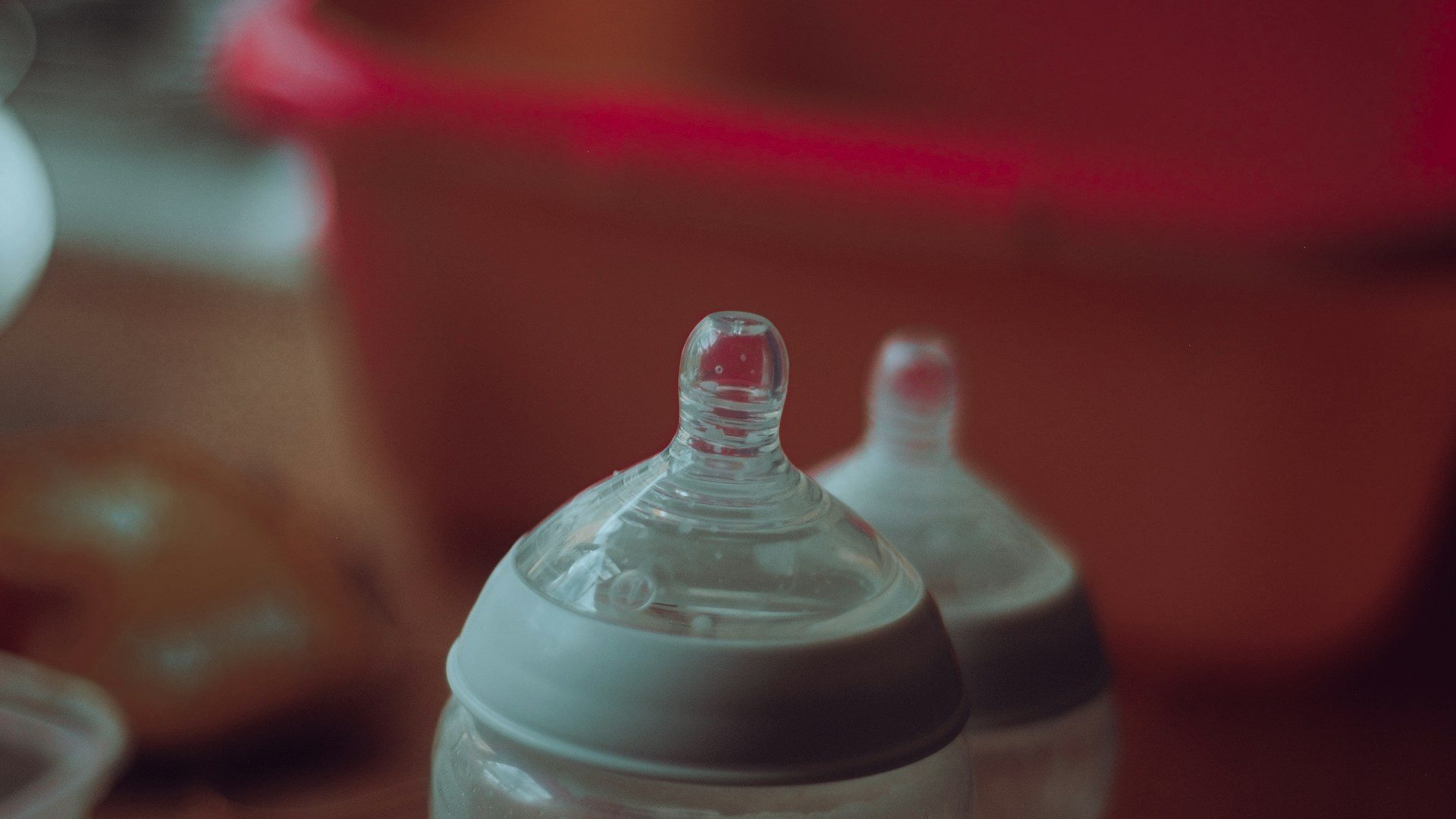
Infant formula is the one product where federal law requires a date on the label, and it matters. The “use by” date on infant formula is the date through which the manufacturer guarantees the nutrient content and quality. Do not feed formula to a baby after that date. Babies depend on formula for all of their nutrition, so this is the one date you should always respect. Also check the can or package for damage, and follow the label directions for storage and mixing.
Safe Food Habits Matter More Than The Date
How you store food matters more than the date printed on it. Keep your refrigerator at 40 degrees Fahrenheit or colder, and your freezer at 0 degrees. Put leftovers away promptly rather than leaving them on the counter. Keep raw meat, poultry, and fish separate from other foods, and wrap it well.
Food that was left out too long or stored at the wrong temperature can make you sick even if it is well before its date. On the other hand, food that has been stored properly may still be fine after the date.
Use Your Senses, With Caution
If food smells bad, looks off, or has mold, throw it away. Spoiled food often gives you warning signs. But be careful, because some of the bacteria that cause foodborne illness do not change how food looks, smells, or tastes. That is why proper storage and sensible handling matter so much. When you are unsure about something, especially leftovers, cooked meat, or prepared foods, do not take chances.
Foods that need extra care include deli meats, soft cheeses, cooked leftovers, and anything that was left out of the refrigerator. People who are pregnant, older adults, young children, and anyone with a weakened immune system should be especially careful with these items.
Smart Ways To Waste Less
- Check your fridge and pantry before you shop, so you do not buy what you already have.
- Move older items to the front, so they get used first.
- Freeze bread, meat, and leftovers before the date arrives. Frozen food stays safe as long as it stays frozen, though quality can drop over time.
- Buy smaller amounts of items your household does not use quickly.
- Plan a “use it up” meal once a week with whatever needs to be eaten.
- Write the date you opened a product on the label, so you know how long it has been around.
Why It Matters For Your Wallet
Every item you toss too early is money in the trash. Over a year, a household that regularly throws out food because of a date can lose a lot of grocery money. Learning the difference between quality dates and real safety rules lets you keep that money while still keeping your family safe.
The Bottom Line
Treat most date labels as a rough guide to quality, not a warning bell. Store your food correctly, use your judgment, and be careful with high-risk foods. Never use infant formula past its date. Do all that, and you can stop throwing out good food, and your grocery budget will thank you.
More Stories You May Like
- Minimalist Mom Lists The Everyday Things She Does Not Own Including A Coffee Table Curtains And Extra Kitchen Appliances And Never Misses Them
- Woman Who Makes at Least $1,000 at Every Garage Sale Shares Her Golden Rule, and It Means Never Putting an Individual Price Tag on Anything
- Professional Organizer Lists 20 Things You Should Throw Out Today and Guarantees There Is at Least One on the List You Will Absolutely Refuse to Part With