


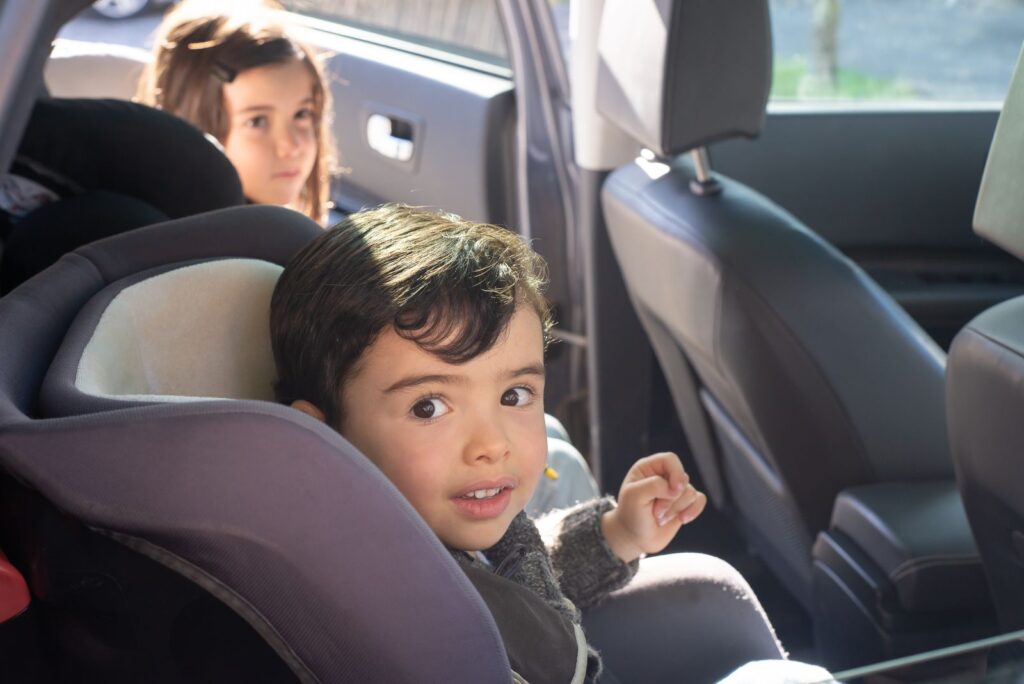
A child isn’t ready to give up a booster seat just because they’ve hit a certain birthday. Federal and pediatric guidance both point to height, not age, as the real cutoff, and most kids don’t get there until well into elementary or middle school. The reminder arrives as NHTSA’s National Child Passenger Safety Week runs September 21–27, 2026, with Seat Check Saturday on September 26 offering free car seat inspections nationwide.

Key Points
- Kids are generally ready to ride with just a seat belt, no booster, only once they reach roughly 4 feet 9 inches tall, according to HealthyChildren.org, the American Academy of Pediatrics’ parent-facing guidance site.
- Most children don’t hit that height until somewhere between age 8 and age 12 — meaning plenty of kids who feel “too old” for a booster by second or third grade genuinely still need one.
- Height matters more than age because it’s a proxy for whether the adult seat belt itself will actually fit correctly without a booster raising the child up.
- A properly fitting seat belt should cross the middle of the chest and shoulder, not the neck, and sit low and snug across the thighs, not the stomach; a child should also be able to sit all the way back against the seat with knees bent comfortably over the edge.
The 4’9″ Rule, Explained
A vehicle’s seat belt is engineered for an adult-sized body. On a child who’s shorter than about 4’9″, the shoulder belt typically cuts across the neck or face instead of the chest, and the lap belt rides up over the soft abdomen instead of the hip bones. In a crash, that positioning can cause serious internal injuries that a properly positioned belt is designed to prevent. A booster seat’s entire job is to lift a child’s body just enough that the same adult belt lands in the right place.
That’s why pediatric guidance frames the transition around height and fit checks rather than a fixed birthday. Two kids who are both 9 years old can differ by half a foot in height, and only one of them may actually be ready to ride booster-free.
What Parents Should Do
- Run the seat belt fit test before retiring a booster: back against the seat, knees bent at the edge of the cushion, shoulder belt on the chest, lap belt on the thighs.
- Keep using a booster for any child who fails that test, regardless of their age or what their friends’ car rules are.
- Take advantage of a free inspection during Child Passenger Safety Week; NHTSA and local partners host Seat Check Saturday events on September 26, 2026, where certified technicians check installation and fit at no cost.
- Reassess booster fit every few months, not just once — kids grow unevenly, and a seat that fit correctly in the spring may not fit the same way by fall.
- Remember that seating position matters too: children under 13 are safest in the back seat regardless of booster status.