

It was an awkward moment when one woman found herself unexpectedly tangled in a familial obligation while planning her wedding. Recently engaged, she faced an uncomfortable situation with her sister, who assumed she would take on the role of maid of honor, despite their complicated relationship. The tension simmered as she mulled over her options, not wanting to hurt her sister’s feelings but feeling distinctly unenthusiastic about including her in the bridal party.
This woman, 26 years old, had previously served as maid of honor for her 33-year-old sister’s wedding. She dedicated time and energy to support her sister, even going above and beyond with planning a themed bachelorette party that aligned perfectly with her sister’s vision. Yet, despite these efforts, their relationship remained distant. Years apart in age and fraught with childhood disagreements created a divide that lingered into adulthood. Though she successfully executed her sister’s wedding plans, she doubted her sister’s ability to reciprocate that level of support.

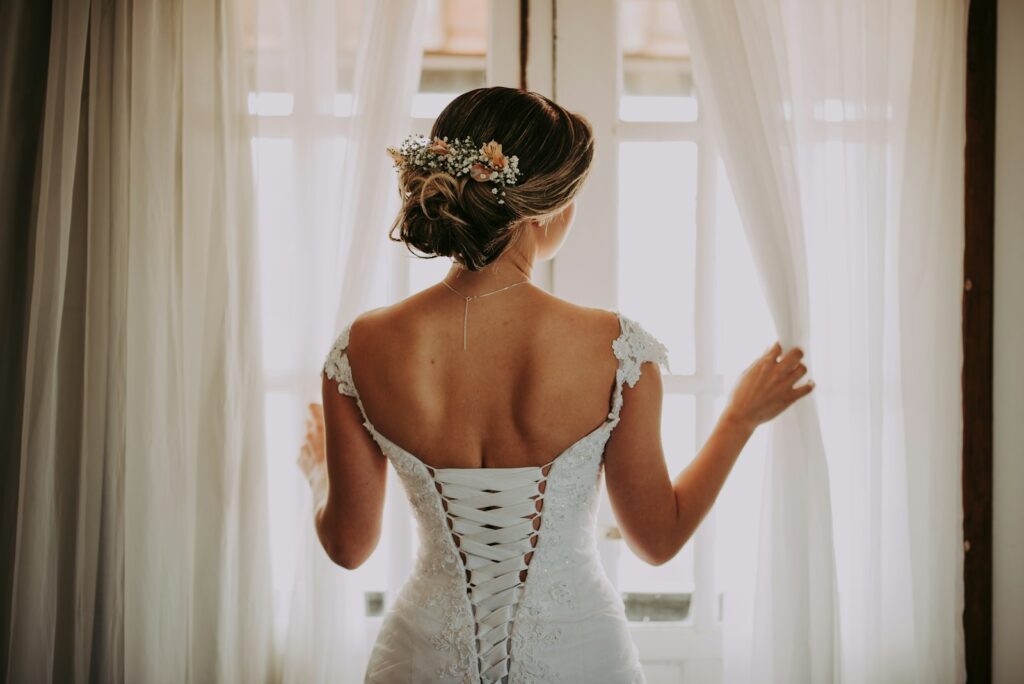
As wedding planning commenced, her sister started making assumptions about her role in the new marriage. She began discussing bachelorette party ideas and wedding themes, seemingly oblivious to her sister’s reservations. The woman felt trapped; her sister’s eagerness pushed her deeper into a bind where honesty seemed more challenging than ever. Questions arose: Would her sister truly be able to put aside her emotions during a potentially stressful planning process? Would she be capable of the support that was needed?
Family dynamics played a significant role in this scenario. The bride’s fiancé was supportive yet pragmatic, suggesting that keeping her sister out of the bridal party might spare her from additional stress. He made a compelling point—if the sister struggled with Andrews’ big day, it could lead to more complications down the line. The bride’s mother offered another viewpoint, suggesting that she might have to forego having a maid of honor entirely if it meant avoiding hurt feelings for her sister. This option felt unfair to the bride, who simply wanted someone who understood her better in that pivotal role.
As the bride forged ahead in her plans, her close friends emerged as the preferred choice for the maid of honor role. These friends had been consistent supporters throughout her relationship, providing encouragement and understanding in a way her sister had not. However, the prospect of breaking the news to her sister felt daunting. The bride recognized that whatever decision she made, it would undoubtedly hurt her sister’s feelings.
People had varied reactions to this predicament. Some sympathized with the bride, understanding the complexity of family relationships and how they can affect wedding planning. Others pointed out that the bride’s feelings were valid, advocating for her right to prioritize her own happiness over familial expectations. While many acknowledged the inevitable hurt that would come from any decision, they also encouraged her to consider her emotional well-being. After all, she was the one getting married.
Others suggested that addressing the issue sooner rather than later might help mitigate any fallout. They recommended an open conversation with her sister to clarify her feelings and explain her choice of maid of honor. Communicating openly might ease some tensions, allowing the bride to stay true to her desires while still being considerate of her sister’s feelings.
As the bride weighed these options, one thought loomed larger than the rest—how could she balance her own happiness with the dynamics of family relationships? This dilemma raised an uncomfortable question: how does one navigate family obligations while staying true to oneself? Would the potential fallout from not choosing her sister as maid of honor overshadow the joy of her upcoming wedding?
More from Decluttering Mom: