


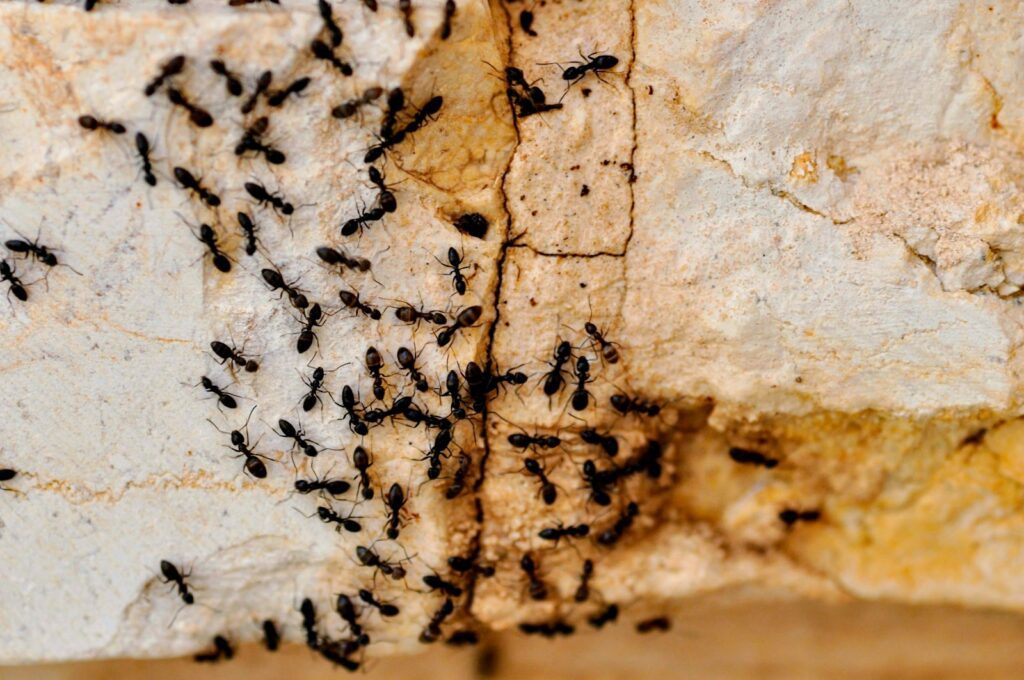
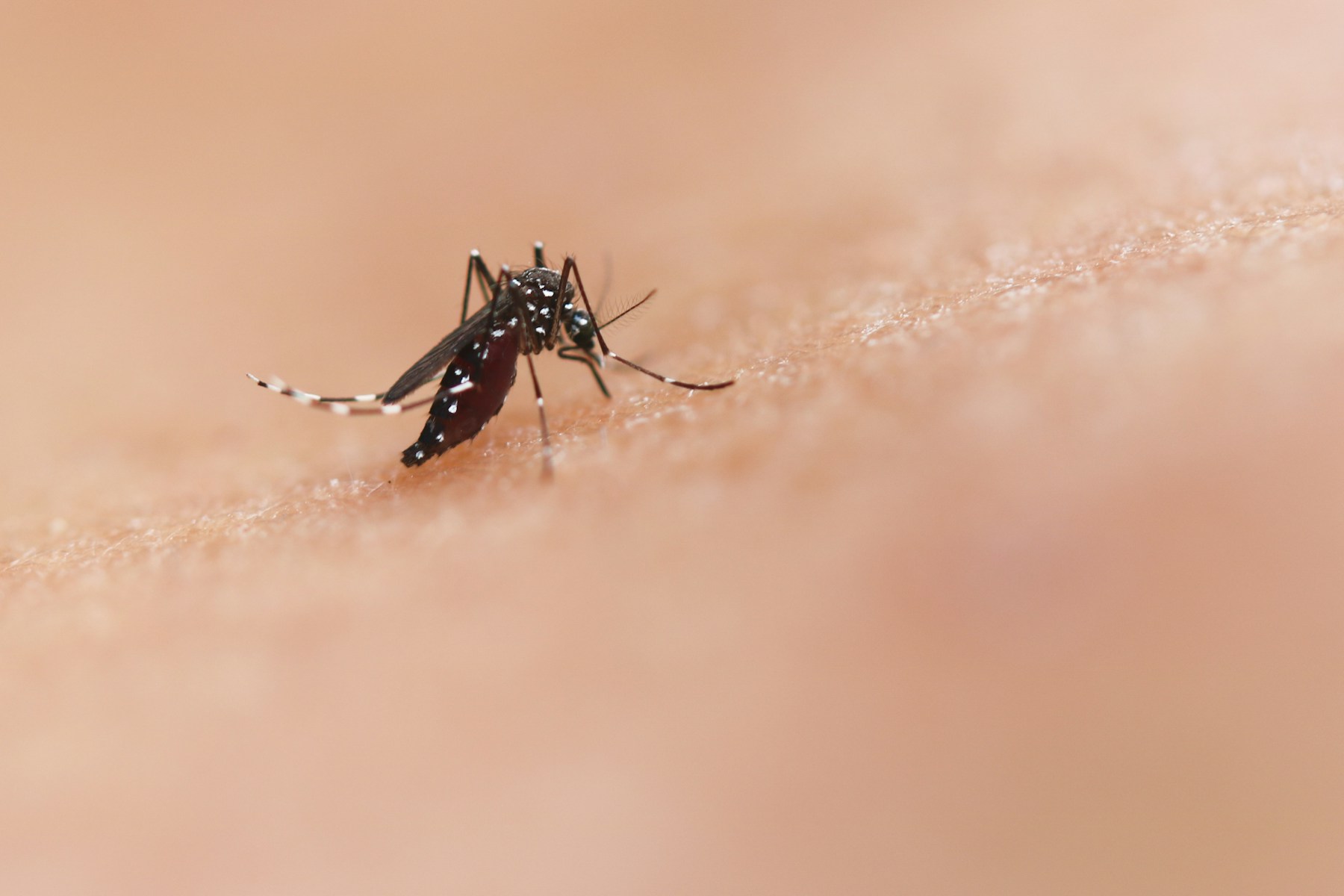
A warmer-than-average fall across most of the continental United States will keep ants, ticks and mosquitoes active for weeks longer than homeowners typically expect, according to the National Pest Management Association’s Fall/Winter 2026 Bug Barometer, a biannual forecast built with entomologists across the country.

Key Points
- Lingering summer-like temperatures are delaying the first hard freeze that normally forces pests into dormancy or indoors.
- Ants, mosquitoes, ticks, cockroaches, stinging insects, scorpions and spiders are all named in the forecast as likely to stay active longer than usual this season.
- Health risks tied to the extended activity window include West Nile virus, Lyme disease, babesiosis, alpha-gal syndrome, hantavirus and leptospirosis.
- The forecast breaks activity out by seven U.S. regions, with different pests dominating in each.
What the Forecast Says, Region by Region
- Mid-Atlantic & New England: extended tick and ant activity, with delayed pressure from rodents, Asian lady beetles and boxelder bugs if the warm, dry pattern continues.
- Southeast: prolonged mosquito and cockroach activity, plus rising rodent encounters as temperatures eventually decline.
- Great Lakes, Ohio Valley & Midwest: extended stinging insect and tick seasons.
- North Central: elevated ant, tick and mosquito activity.
- South Central: persistent cockroach, ant and mosquito presence well into late fall.
- Intermountain & Southwest: scorpions and spiders pushed indoors, alongside increased mosquito activity.
- Northwest: extended ant and stinging insect seasons, with more rodent encounters as the region cools.
“Weather is one of several important pieces in forecasting pest activity, and with summer-like temperatures forecasted to continue, pests are going to take advantage of the extra time,” said Dr. Jim Fredericks, senior vice president of public affairs at the National Pest Management Association, in the organization’s own release of the forecast.
What Homeowners Should Do
- Keep tick checks going past Labor Day. A delayed frost means ticks stay questing in leaf litter and tall grass well into what used to be the off-season.
- Dump standing water regularly. Mosquitoes only need about a week of standing water in a gutter, planter, or bucket to complete a breeding cycle, and a warm fall gives them more weeks to do it.
- Seal obvious entry points now, not after the first frost. Ants, spiders and stinging insects look for indoor shelter as temperatures eventually drop, and gaps around doors, utility lines and foundations are their easiest way in.
- Watch for rodent activity as the season turns. The forecast specifically calls out rising rodent encounters in the Southeast and Northwest as later, sharper temperature drops send them looking for shelter.
- Treat pet protection as a fall task, not just a summer one. Extended tick and mosquito windows mean flea, tick and heartworm prevention schedules built around a normal first-frost date may need to run longer this year.
The Bug Barometer is produced twice a year by the National Pest Management Association, drawing on data from pest control professionals and entomologists nationwide to anticipate seasonal pest pressure before it peaks, so homeowners and pest control companies can plan ahead rather than react after an infestation has already taken hold.