


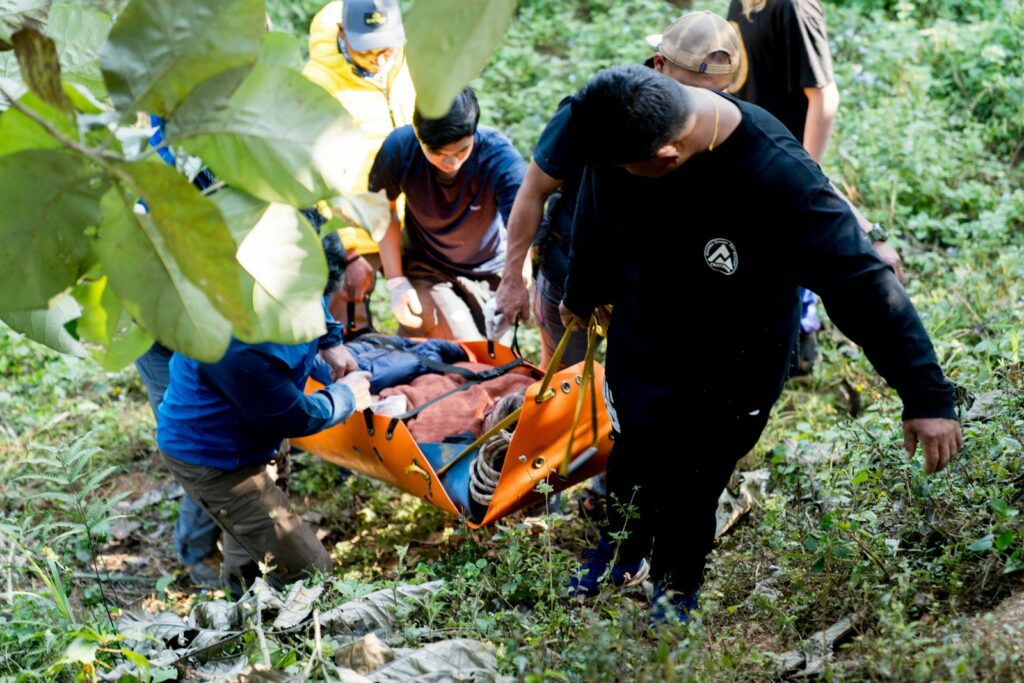
A family trip meant to celebrate a milestone birthday ended in horror when a mother died after a fall from a bungee tower, right in front of her son. The woman, a mom of two, had just completed a jump and was trying to capture the moment with a photo when she slipped and plunged hundreds of feet. Her death has sparked fresh questions about how adventure operators manage safety, and how quickly a carefree selfie can turn into a life‑altering mistake.
Relatives say the outing was supposed to be a joyful escape, a shared memory between a mother and her child that they would talk about for years. Instead, they are now planning a funeral and trying to make sense of a loss that feels both random and painfully preventable. The story has resonated far beyond their circle, tapping into wider anxieties about extreme tourism, social media pressure and the thin line between thrill and tragedy.

The birthday trip that was meant to be a gift
According to relatives, the woman at the center of this tragedy, Elizaveta “Liza” Gushchina, had just turned 45, and the getaway was meant as a birthday present. Her son, who shared her taste for adrenaline, arranged the outing so they could jump from the same bungee tower together, a shared adventure to mark her turning 45. Friends say she was excited rather than nervous, treating the jump as proof that midlife did not have to mean slowing down. The tower itself, described as roughly 90 metres high, was a known spot for thrill seekers, the kind of place where families mix with hardcore jumpers in the same queue.
Family members later told reporters that the trip had been planned around that single experience, with meals and sightseeing built around the bungee booking. For her son, the idea was simple: give his mother a story she could tell for the rest of her life. Instead, the story that now follows the name Elizaveta is one of a celebration that turned into a nightmare in a matter of seconds, with her son forced to watch as the gift he had chosen became the setting for her death.
A successful jump, then a fatal fall
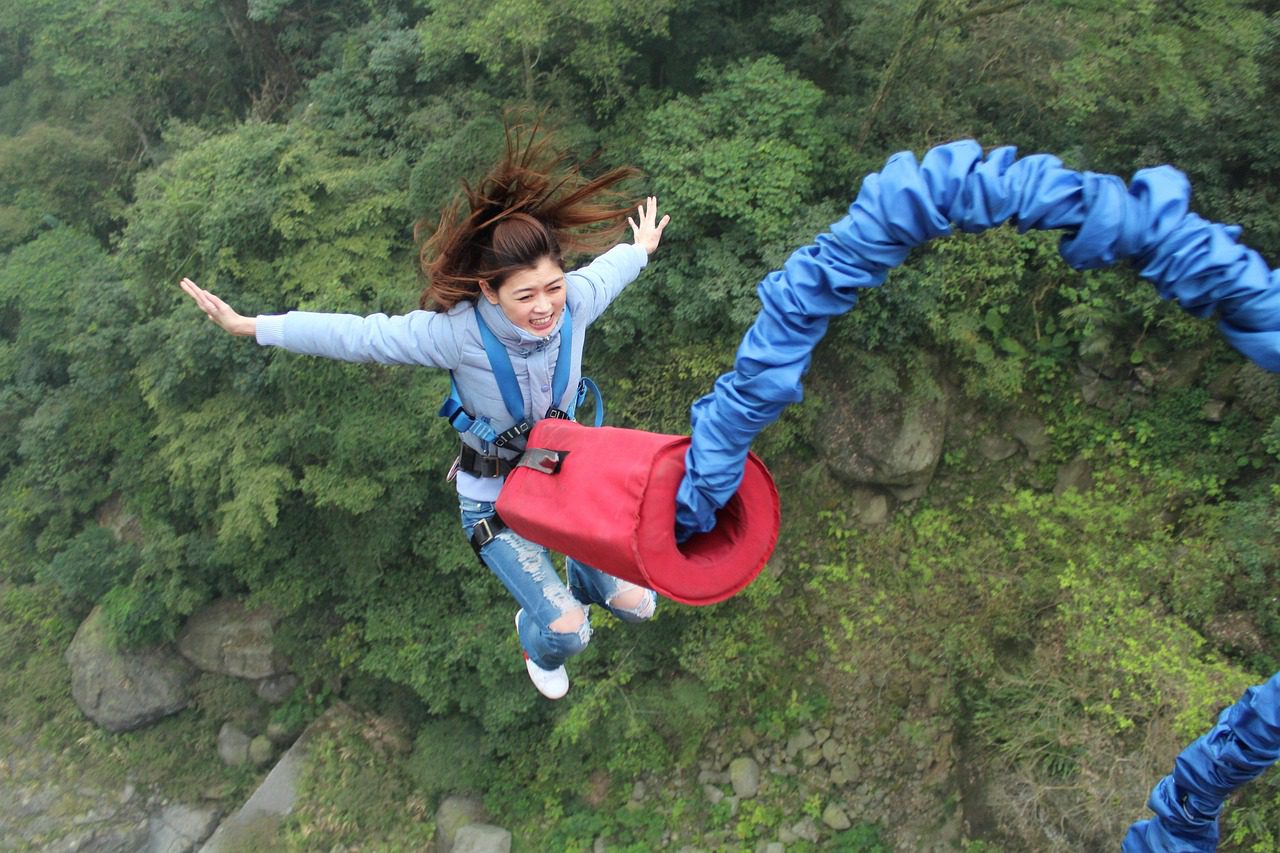
Witness accounts agree on one detail that makes the story even harder to process: the jump itself went according to plan. Gushchina completed the bungee, was pulled back up to the platform and unhooked, and the danger seemed to be over. It was only after the adrenaline high, when she and her son tried to capture the moment with a selfie, that things went catastrophically wrong. Standing near the edge of the 90 metre structure, she apparently shifted her weight, slipped and fell, plummeting almost 300 feet to the ground below.
Video and eyewitness descriptions suggest there were no safety rails or secondary harnesses in place to protect people who had already completed their jump and were simply moving around the platform. One clip, shared widely online, shows the moments before the fall, with the mother and son posing together, then a sudden loss of balance and a scream as she disappears from view. The footage has become a grim reference point in discussions about how operators treat the “after” phase of an extreme activity, when participants are relaxed, phones are out and the sense of danger feels like it has passed.
Who Elizaveta “Liza” Gushchina was to her family
Relatives describe Gushchina as a devoted mom of two who juggled work and parenting with a sense of humor and a taste for new experiences. She was known to friends as “Liza,” someone who loved travel, photos and the kind of stories that come from saying yes to slightly wild ideas. Her children, including the son who shared the bungee platform with her, were central to her life, and the trip was framed as a rare chance for one‑on‑one time away from everyday responsibilities. In the days after the accident, family members spoke of a woman who had always tried to make memories, not headlines.
Reports from those close to her paint a picture of a tight family unit that had already weathered its share of ordinary challenges, only to be blindsided by something no one imagined. One relative, speaking through tears, said that the phrase “Mom of 2 Falls 300 Feet to Her Death While Trying to Take a Photo After Bungee Jumping” felt surreal when attached to someone they knew as a gentle parent and practical planner. The same reports note that the Mom of two had been looking forward to sharing the pictures from the jump with her younger child back home, a simple plan that now underscores the cruelty of what happened.
The son who watched everything unfold
For Gushchina’s son, the trauma is layered. He not only lost his mother, he did so in a setting he had chosen, during an activity he believed would bring them closer. Reports say he belongs to the same bungee club that operates at the tower, which made the outing feel familiar and safe. He had already completed his own jump and was standing beside her when she slipped, close enough to reach out but too far to stop the fall once it started. Witnesses recall his screams echoing from the platform as she disappeared from sight, a sound that has haunted those who were there.
In the aftermath, staff and bystanders tried to comfort him while emergency services rushed to the scene, but there was little anyone could say that would make sense of what he had just seen. Friends later described him as inconsolable, replaying the moment when they leaned in for the selfie and the instant everything changed. One account notes that he had given the experience as a birthday present, a detail confirmed in coverage of Gushchina’s final day, which only deepens the sense of guilt he is said to be wrestling with, even though the responsibility clearly lies elsewhere.
What investigators say about safety on the tower
As shock gave way to anger, attention quickly turned to the operators of the bungee tower and the safety measures in place. Early reports from a 45-year-old Russian woman’s death at a similar site describe a structure roughly 88 m high, with jumpers attached to a cord for the fall but left without a harness once they were back on the platform. In Gushchina’s case, a Russian outlet called The Voice reported that she allegedly was not wearing a safety harness at the time she slipped, and that there were no guardrails robust enough to stop someone from going over the edge. Those details have raised questions about whether the tower met basic standards for fall protection in areas where people are encouraged to walk, pose and take photos.
Investigators are now looking at everything from staff training to signage to the physical design of the platform. Did employees warn participants to stay away from the edge once unhooked, or were selfies and victory poses simply treated as part of the experience. Were there clear rules about where phones could be used, and did anyone enforce them. The same reports that mention the 88 m height also quote staff describing the incident as a “very big tragedy,” but expressions of sorrow will not be enough if regulators find that basic precautions were skipped in the name of keeping the atmosphere loose and fun.
The role of selfies and social media pressure
At the heart of this story is a detail that feels painfully familiar in 2026: the fatal fall happened while Gushchina was trying to take a selfie. She and her son had just completed a successful jump, and like so many people at tourist spots, they wanted proof, a photo that captured the rush and the view. Reports describe her moving closer to the edge to frame the shot, a tiny adjustment that turned deadly when her footing slipped. The phrase “Her Death While Trying to Take” a photo has become shorthand for a broader pattern, where the pursuit of the perfect image nudges people into spaces where one misstep has no margin for error.
Researchers have been warning for years about the rise in selfie‑related accidents at cliffs, rooftops and other high places, and this case fits that pattern almost too neatly. The difference here is that the setting was not a random cliff but a commercial operation that profits from people wanting to document their bravery. The same platforms that encourage users to share every adventure also reward the most dramatic angles, which often means edging closer to danger. In Gushchina’s case, the desire to capture a triumphant moment after a bungee jump, a detail highlighted in coverage of her Falls, collided with a platform that did not appear to be designed with distracted, phone‑holding visitors in mind.
How the story spread and what the footage shows
Within hours of the accident, video clips from the tower began circulating online, turning a private family catastrophe into a global spectacle. One widely shared recording, uploaded to platforms that thrive on shocking content, shows the moments leading up to the fall and the stunned reaction of those on the platform. A version posted to YouTube captures the atmosphere on the tower, with music, chatter and casual laughter giving way to screams and chaos in an instant. Viewers can see how ordinary the scene looks until the final second, which may be part of why the clip has been so widely discussed.
The spread of that footage has sparked its own debate about how much of someone’s worst moment should be shared, replayed and commented on by strangers. Some argue that the video is important evidence of safety failures, a visual record that can push regulators and operators to change. Others see it as voyeuristic, a form of digital rubbernecking that adds to the family’s pain. What is clear is that the clip has shaped public understanding of the case, giving people a visceral sense of how quickly a “crazy upside down” thrill can turn into a fatal plunge, a point echoed in coverage of a mom who FALLS 290ft to death in front of her son in Sep.
Adventure tourism’s safety gap
Gushchina’s death has landed in a broader conversation about how adventure tourism is regulated, especially in destinations that market themselves aggressively to thrill seekers. Bungee jumping, zip‑lining and similar activities are often sold as bucket‑list experiences, with glossy photos and influencer posts highlighting the rush while downplaying the risks. Operators may meet the minimum legal requirements for the core activity, such as the cord and harness used during the jump, but pay less attention to what happens before and after, when participants are moving around platforms, taking photos and celebrating. The gap between the controlled danger of the jump and the uncontrolled hazards of the surrounding environment is where incidents like this one tend to happen.
Experts who study these industries point out that safety culture is not just about equipment, it is about anticipating human behavior. If everyone knows that people will pull out their phones the moment they feel safe, then platforms should be designed with guardrails, non‑slip surfaces and clear no‑go zones near edges. Staff should be trained to intervene when someone backs up for a shot without looking. The reports that describe Gushchina’s fall from roughly Feet in the hundreds, after a successful jump, suggest that these basic principles were not fully in place. That is not just a tragic oversight, it is a business model problem in an industry built on selling controlled risk.
More from Decluttering Mom: