

Buying a vehicle is one of the biggest purchases most families make, and nobody wants to hear from the dealership after the papers are signed. A buyer who shares the story as @leiscray says that is exactly what happened with a Tahoe. According to the buyer, the dealership admitted that a math error left the deal about two thousand dollars short, then suggested that both sides split the difference. The buyer says no half was ever paid.

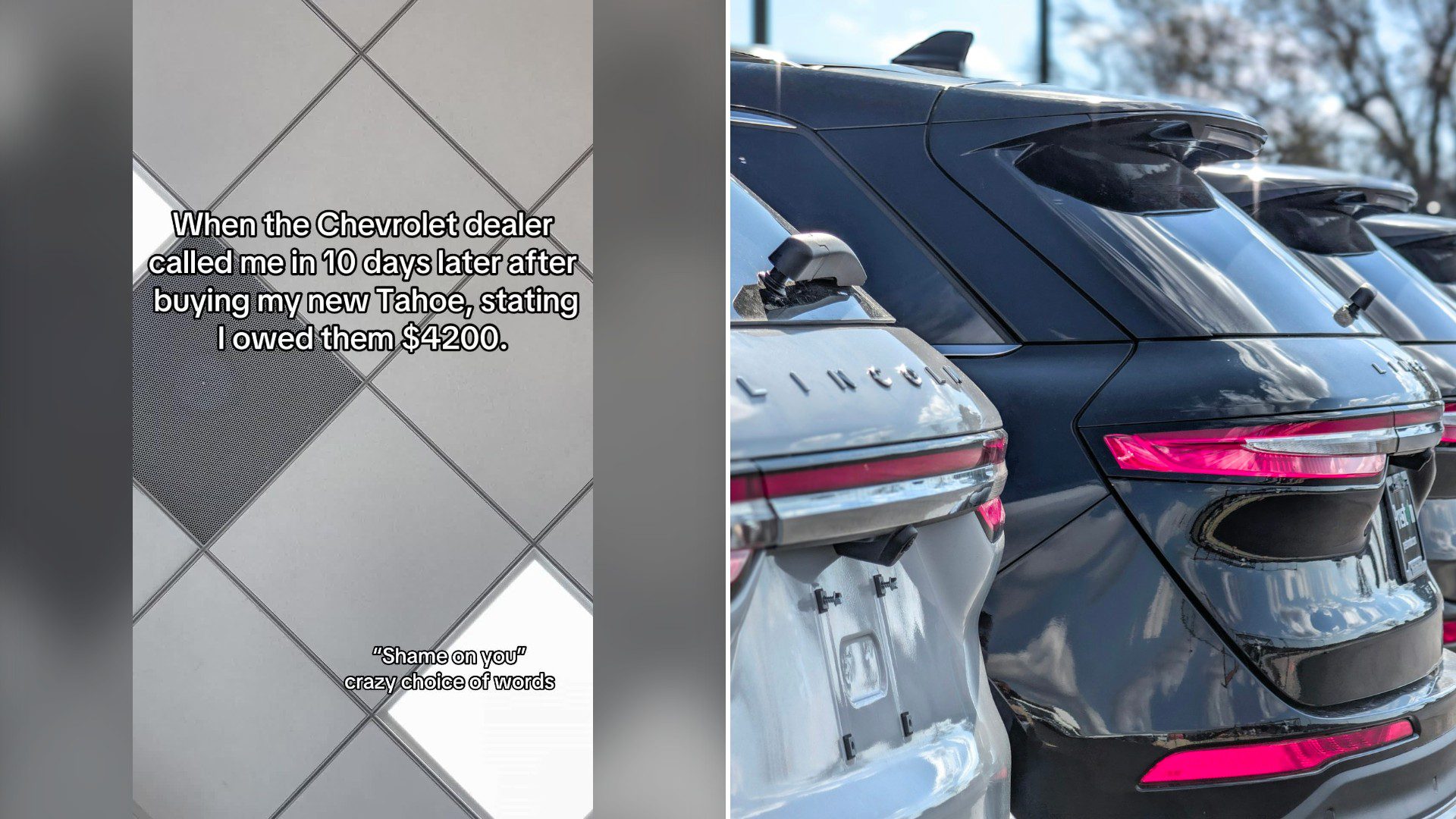
The caption makes clear this is a throwback to about five years ago. Even so, it is a useful reminder of what can go wrong after a car sale and how to handle it.
@leiscray
What the Buyer Says Happened
As @leiscray tells it, this was the third trip back to the dealership after buying the Tahoe. The first two times, the buyer says, the staff apologized, said they had run their numbers wrong, and offered a free tank of gas. By the third visit, the dealership had worked out where the discrepancy was.
The buyer recorded the whole conversation, which lasted about 30 minutes, and kept it for personal records. In the part shared, the dealer calls it a mathematical error and says that all four people involved in the deal overlooked it. The dealer stresses that the selling price was disclosed from the start and never changed, so the amount is still owed.
The buyer pushes back, asking how the dealership can claim to be taken advantage of when it is saying the mistake belongs to the buyer. The dealer later offers a shared-blame line, saying shame on the dealership for not adding it right, and shame on the buyer for not catching it.
The dealer also says the deal does not have to be unwound. The dealer mentions that a check could be sent back to Navy Fed, but says that would help no one and would only leave the customer frustrated. Calling it the cost of doing business for both sides, the dealer suggests splitting the difference of roughly two thousand dollars and says the general manager could be approached about it. The dealer adds that this way the buyer would not have to go shopping for another vehicle. The caption closes the story with a plain statement that the buyer did not pay half.
Nothing more is said about how the dispute finally ended. This is the buyer’s account, and the dealership’s side is not part of what was shared.
Why Paperwork Errors Happen at Dealerships
A vehicle purchase involves many numbers. There is the price, any trade in value, a down payment, taxes, fees, add ons and a financing arrangement. Each figure can change as the deal moves along, and a mistake in one line can throw off the total.
Dealerships usually review a deal before it is finalized, but people make mistakes, and sometimes one is caught after the buyer has driven away.
What a Signed Contract Generally Means
A signed purchase agreement is a legal document, and what it says matters. Rules about mistakes differ by state and by the terms of the contract, so no article can say who is right in a given case. Some contracts include language about correcting clerical errors and others do not.
If you are ever contacted about an error after buying a car, do not rush. Ask for the details in writing, read your own contract carefully and consider speaking with a consumer attorney or your state consumer protection office before agreeing to anything.
Why Splitting the Difference Needs a Careful Look
A compromise can be a fair solution, but any change to a finished deal should be documented properly. If a dealer proposes a new number, ask how it will be recorded, whether your financing paperwork changes, and whether a new contract or an addendum will be signed. It is also fair to ask who has authority to approve it, because a verbal offer is not a written agreement.
Tips for Car Buyers
- Ask for a printed breakdown of every number in the deal, including price, fees, taxes, trade in and financing terms.
- Do your own math at the desk, or use your phone calculator, before you sign.
- Keep copies of every document and every text or email the dealership sends.
- If a dealer calls with a problem, ask for the details in writing before you respond.
- Do not sign a new document unless you understand exactly what it changes.
- Write down the name of everyone you speak with, along with the date and what was said.
- If you record a conversation, check your state rules first, because some states require everyone to agree to be recorded.
- Reach out to a consumer attorney or your state attorney general’s consumer office if you feel unsure or pressured.
A Lesson in Keeping Records
The story of @leiscray is a snapshot from five years ago, but the lesson holds up. Mistakes happen, and when they do, the best defense is a clear paper trail and a calm head.
A deal is only as good as the documents behind it. Check the numbers and keep every piece of paper, so that if something goes wrong later, those records show what was agreed.
More from Decluttering Mom
- Woman Who Kept Blowing Her Budget on Impulse Home Purchases Started Freezing Her Own Debit Card in a Block of Ice to Force Herself to Wait Before Buying Anything
- Lowe’s Now Lets Homeowners Pay for Renovations in Monthly Installments at Checkout, Following a New Partnership Aimed at Big-Ticket Projects
- Samsung, LG and Maytag Just Swept the Top Spots in the Biggest Appliance Satisfaction Study of the Year, and Some Major Brands Fell Surprisingly Short