


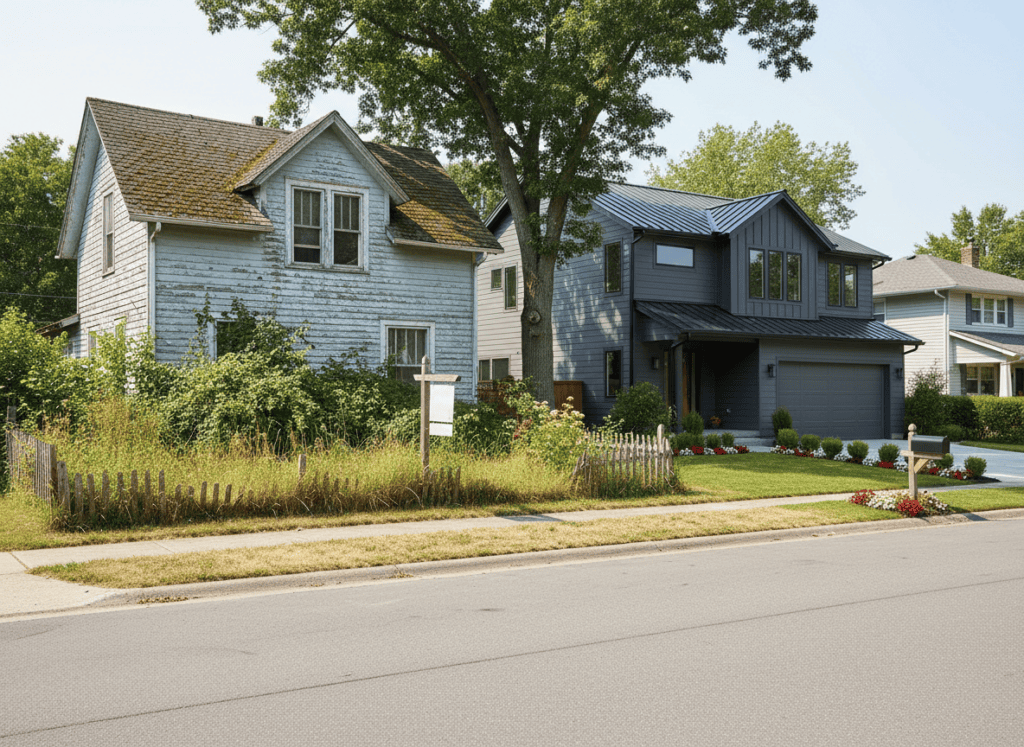
A fixer-upper listed at $150,000 looks like a steep discount against a move-in-ready comparable at $200,000, and for decades that gap was the entire argument for buying one instead. Renovate over a few years, build equity, come out ahead of buyers who paid full price. New data on what renovation actually costs now complicates that math badly enough that in many major metros, the fixer-upper has quietly become the more expensive path to the same finished house.
The discount is smaller than it looks, and the premium is real
Homes needing significant work typically list well below market, but the effective gap a buyer actually captures is narrower than the sticker-price comparison suggests. Zillow data cited in a Hippo Insurance analysis of homeowner spending found that fully remodeled homes sell for 3.7% above their expected value, while homes needing renovation sell at roughly a 7.3% discount below comparable properties. That puts the real spread a buyer captures by purchasing “as-is,” rather than move-in-ready, at closer to 11 percentage points, not the 25% to 50% gap a raw listing-price comparison might suggest.
That narrower real-world gap has to cover the entire cost of renovation to break even, and renovation costs have moved sharply in the wrong direction for that math to still work.
What renovation now actually costs
The cost of building materials has climbed roughly 40% since December 2020, according to National Association of Home Builders data cited in a Scripps News investigation into fixer-upper economics, and a full kitchen remodel — usually the single largest line item in an older home bought below market — now runs as high as $89,000 on average. A dated kitchen and an aging roof alone, two of the most common reasons a home lists below market in the first place, can each add tens of thousands of dollars once materials and labor are actually booked.

The spending gap between owners is not small
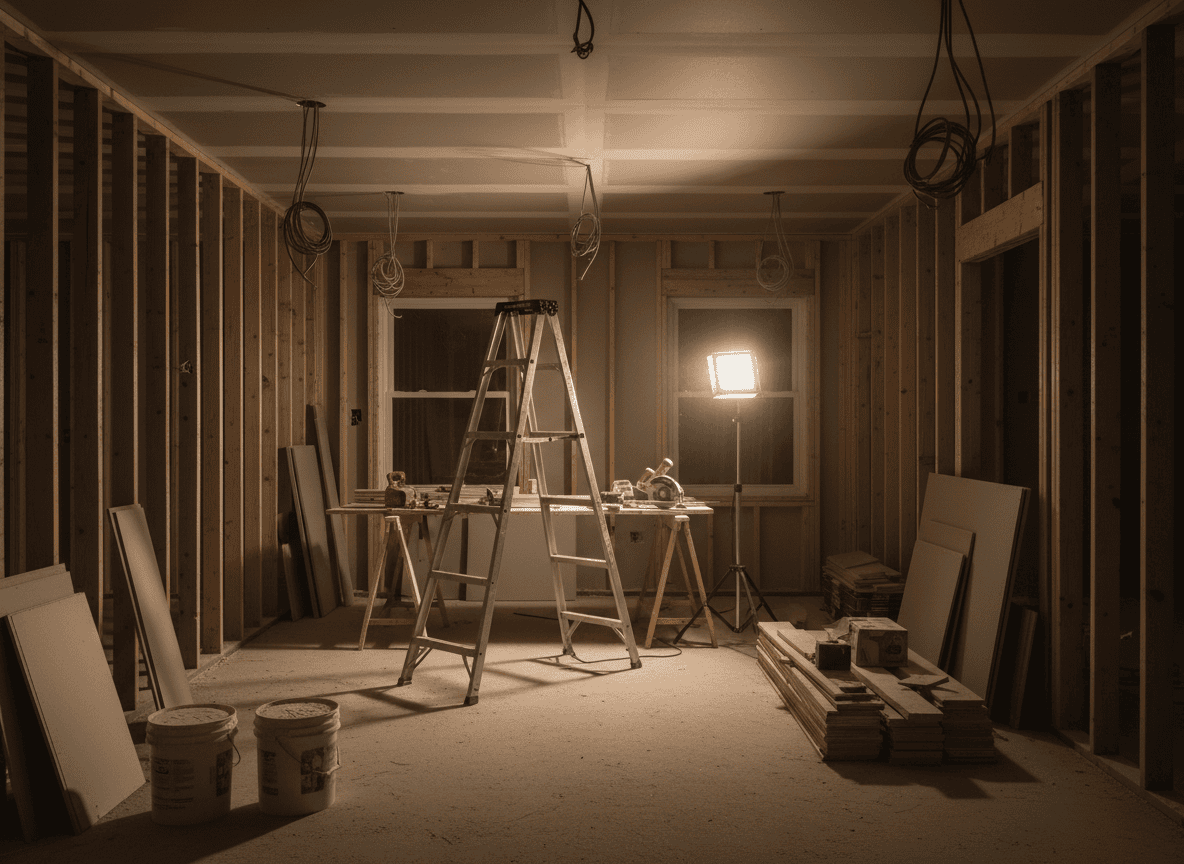
The Hippo survey of homeowners found that 48% of fixer-upper owners spend more than $6,000 a year on repairs, compared with just 11.6% of move-in-ready homeowners — a gap of more than four to one. On renovations specifically, 62% of fixer-upper owners spend over $6,000 annually, and 15% spend $16,000 or more every single year. Move-in-ready homeowners, by contrast, mostly deal with appliance repairs averaging around $275 — a different category of expense entirely, both in size and frequency.
Layer even a few years of that spending gap on top of a genuine 11-point purchase-price discount, and the fixer-upper’s early advantage disappears quickly, often within the first two or three years of ownership, well before most buyers finish the renovation list they started with.
What the buyers who’ve actually done it say
The same survey found that 88% of fixer-upper owners say they would do things differently if they could start over, and 23% say specifically they’d choose a move-in-ready home instead. That’s a notably high regret rate for a purchase decision typically made on the promise of long-term savings. Unexpected costs are the most commonly cited reason: hidden issues behind walls, permit delays, and contractor availability all tend to surface after closing, when a buyer has far less room to walk away or renegotiate than they had during the purchase itself.
Where the old math still works
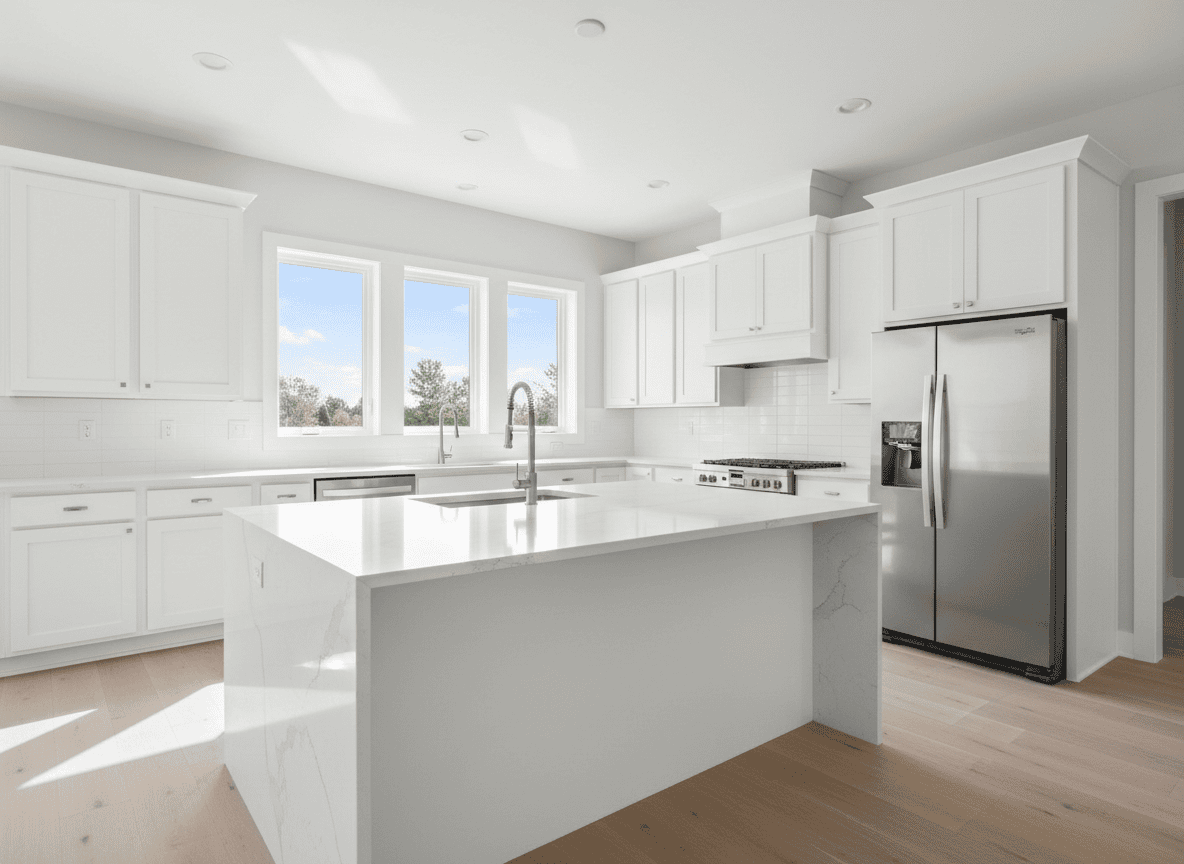
None of this means fixer-uppers are universally a bad buy. Buyers who do renovation work themselves, who already have a contractor relationship that keeps labor costs down, or who are buying in markets where the price gap between renovated and unrenovated homes is unusually wide can still come out ahead. But the version of the math that assumed materials and labor would stay roughly flat, and that a reasonably handy buyer could absorb most surprises without hiring out, no longer reflects what renovation actually costs in 2026. For a growing number of buyers running the numbers honestly before making an offer, paying more upfront for a home that’s already finished is turning out to be the cheaper decision — not just the safer one.
The practical takeaway isn’t to avoid renovation projects altogether. It’s to price them the way the data suggests, with real contractor quotes and a padded timeline, before assuming a lower purchase price automatically means a lower total cost.