

Every summer the same thing happens. The store displays go up, the sales start and parents feel the pressure to get back-to-school shopping done. Carts fill up with new jeans, shirts and sweatshirts. Then, a few weeks later, someone digs into the closet and finds last year’s clothes still fit just fine, or that a pair of brand-new pants is already too short.

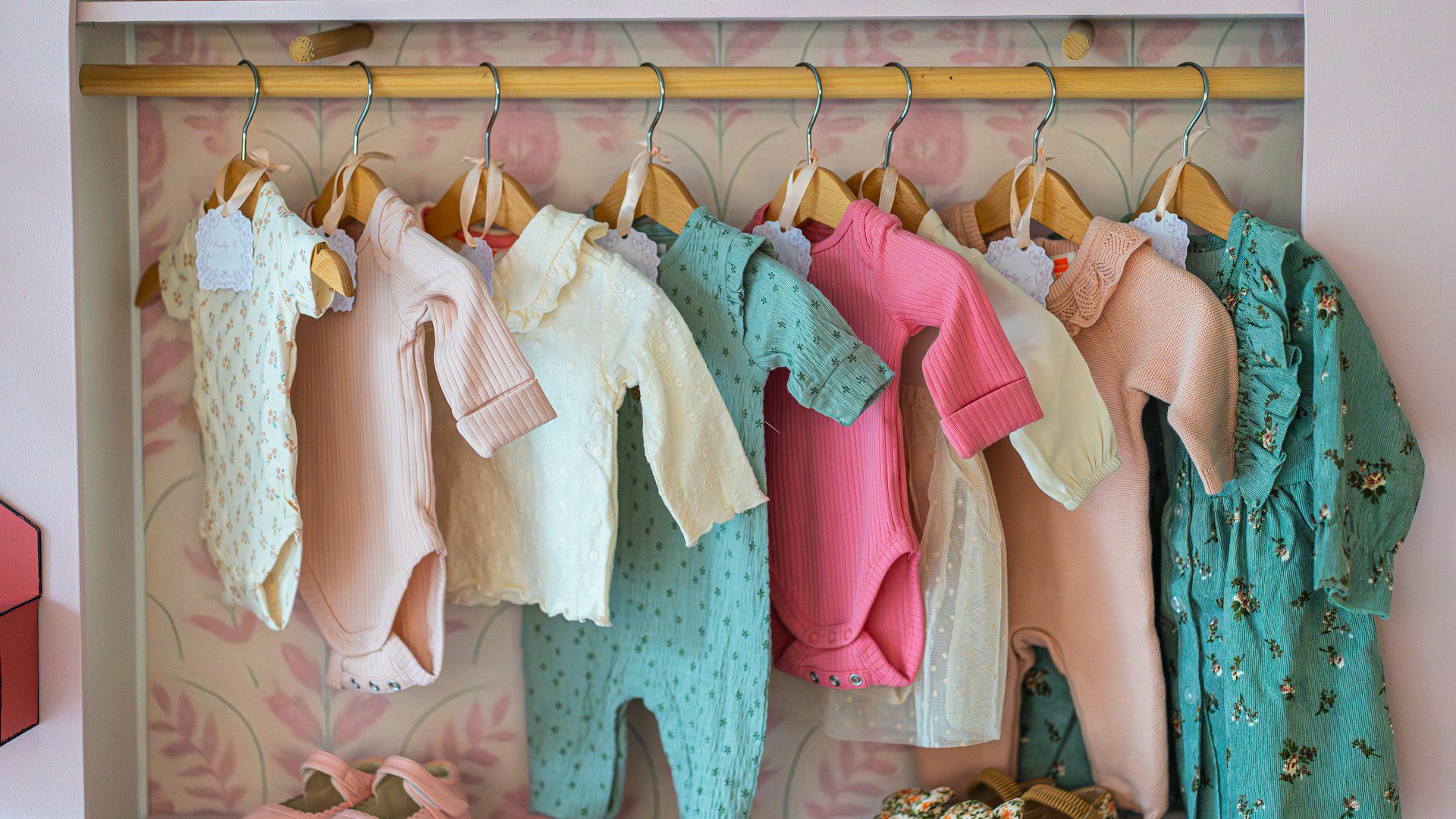
Shopping first and checking second is one of the most common ways families waste money in late summer. Kids grow at their own pace, closets hide forgotten clothes and sales make it easy to buy too much. The good news is that a little planning can fix all of it.
Why Shopping First Backfires
When you buy before you check, you run into two problems. The first is duplicates. Many families discover they already own several pairs of leggings, a drawer of plain tees or three nearly identical jackets. Buying more of the same does nothing except create clutter.
The second is growth-spurt waste. Children can grow quickly and unpredictably. A pair of shoes or a coat that fit in August might be tight by the time the weather turns. If you buy a whole wardrobe at once, some of it may go unworn, or be outgrown before it gets a fair chance.
Add in the sales pressure and the “everyone is buying” feeling, and it is easy to overspend. A bargain on something your child cannot wear is not a bargain.
Step One: Try On Everything
Before you spend a dollar, have your kids try on what they already have. This is the single most helpful step. Pull out last year’s clothes, along with anything handed down from older siblings or cousins, and let each child try things on. Do not just hold them up. Fit can surprise you.
As you go, make three piles:
- Still fits and is in good shape. Keep.
- Too small, worn out or stained. Let go.
- Almost fits or nearly out of season. Set aside and recheck later.
Make this a family project. Kids can tell you what is itchy, uncomfortable or something they simply refuse to wear. Those items should not go back in the drawer, since clothes that never get worn are just wasted space.
Step Two: Make a Real List
Once you know what fits, write down what is actually missing. Think in categories: pants, tops, underwear, socks, outerwear, shoes and anything required by the school or by activities. Check the school’s dress code or any rules about uniforms or footwear before you shop, so you do not buy things that cannot be worn.
Stick to the list when you are in the store. A good rule is to think about mixing and matching. A few pieces that go with everything will give you more outfits than a pile of one-off items.
Step Three: Buy in Stages
You do not have to buy everything at once. Start with the essentials your child needs for the first days of school, then wait. Kids often grow during the summer and into the fall, and their tastes can change after they have spent a little time with friends. Buying in stages gives you the chance to see how things fit and what is actually being worn.
Many parents hold off on heavier items such as coats, boots and sweaters until the weather changes, and often find that stores have more selection or better prices by then. Shoes are another item to buy close to when they are needed, since a child’s foot can change quickly, and a good fit matters for comfort.
Step Four: Consider Secondhand
Children wear clothes for a short time, which means resale shops, consignment stores and online marketplaces are often full of items that are in great shape. Used clothing can be a smart way to stretch your budget, especially for things kids will outgrow quickly or play hard in.
Check each item carefully. Look at seams, knees, zippers and elbows, and make sure everything is clean and in good condition. Hand-me-downs from friends and family can be a gift, too. Just be honest about whether the items fit and suit your child, and do not feel obligated to keep anything that does not.
What to Do With the Outgrown Clothes
Do not let the outgrown pile become the next clutter problem. Clothes in good shape can be passed to another family, donated or sold. If you have younger children, store the best pieces in a labeled bin sorted by size, so you are not guessing later. Be realistic, though. Keep only what you will truly use and let the rest go to someone who can wear it.
The Bottom Line
Back-to-school shopping works best when you check first and buy second. Try on what you have, build a list, buy in stages and look at secondhand options. You will save money, avoid duplicates and spend less time wondering why the closet is full of clothes nobody wears.
More Stories You May Like
- Seven Items That Sell Almost Instantly Are Listed by a Reseller Who Says Most People Do Not Know What They Have
- School Tells a Parent to Stop Making Their Kid Good Lunches Because Other Kids Are Jealous and Parents Are Furious
- Couple Paid Sixty Dollars For A Vintage Ethan Allen Piece And Loved The Solid Maple So Much They Nearly Kept It Before Listing For Eleven Hundred