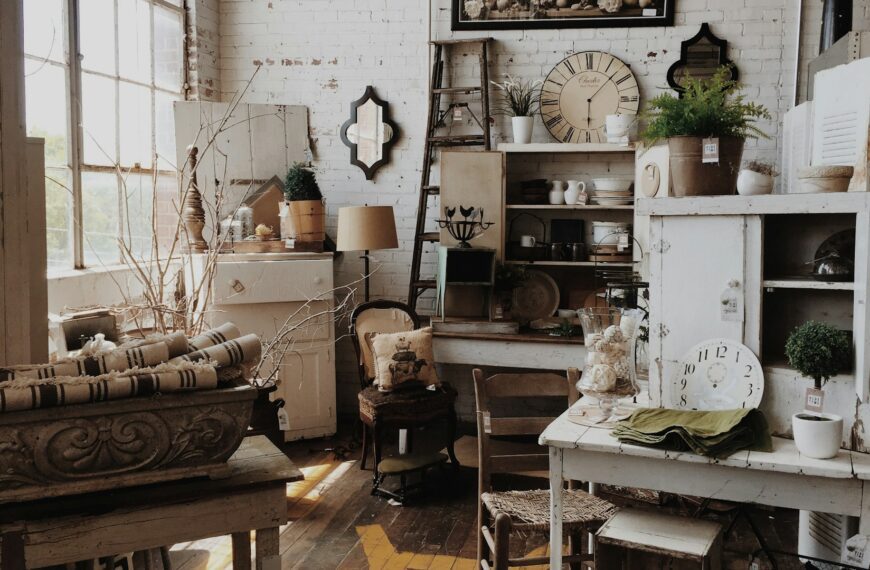
There is a special kind of joy in a trip to the organizing aisle. Matching bins, stackable shelves, hanging organizers in neat rows. You picture your closet looking like a magazine photo. So you fill the cart, haul it all home and set it up, only to find that the closet is still crowded. It just has nicer containers holding the same too-many things.
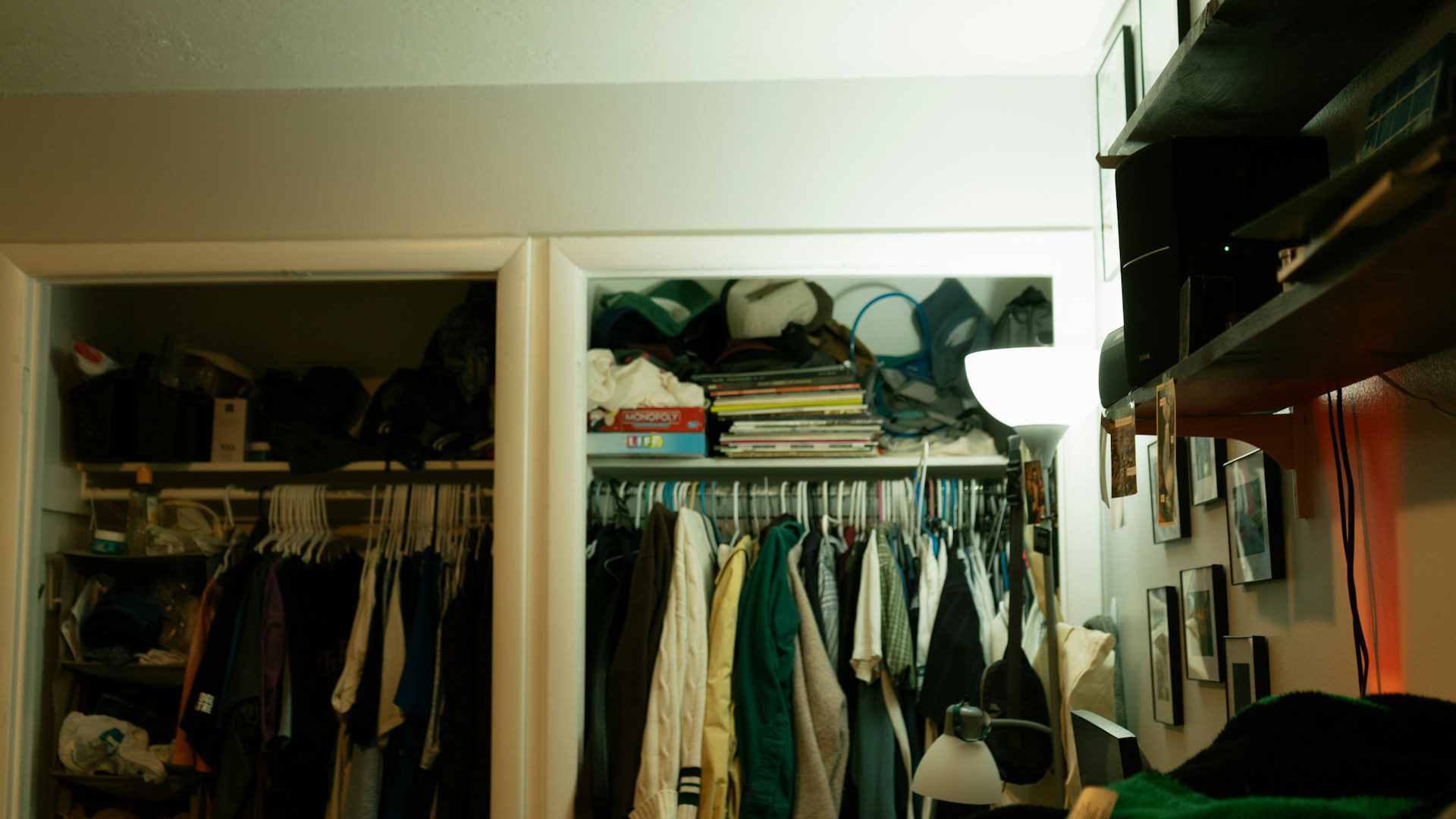
Buying organizers before you declutter is one of the most common organizing mistakes. It feels productive, but all it really does is give your extra stuff a nicer home. The smarter order is simple: purge first, measure second and buy only what you need.
Why Organizers Don’t Fix the Real Problem
A closet that feels out of control usually has one root problem: too much stuff for the space. Containers can sort what you have, but they cannot change how much of it there is. If your closet holds more than it can comfortably fit, adding bins just rearranges the pile.
There is also a trap in buying first. Once you own the organizers, you feel pressure to fill them. Empty bins look like a mistake, so they quietly invite you to keep things you would have let go. You have spent money, used up space and made it harder to part with items.
And organizers bought without a plan often do not fit. Shelves that are too tall, bins that are too wide and hanging systems that do not match your rod can leave you with an expensive pile that does not do the job, or one you have to return.
Step One: Purge First
Before you buy anything, empty the closet. Take every item out and lay it on the bed or floor. Seeing it all at once is eye-opening. Then go through the items one at a time and ask honest questions:
- Have I worn or used this in the past year?
- Does it fit me now, and does it suit my life today?
- Is it in good shape, or does it need repairs I will never make?
- Do I have several of the same thing?
- Would I buy it again today?
Sort into piles: keep, donate, sell and discard. Be generous with the donate and discard piles. Items in good shape can go to a local charity or be sold online, and anything worn out or damaged can go in the trash or be recycled where possible. Move donations out of the house quickly, ideally straight to the car, so they do not creep back in.
Step Two: Measure Second
Once the closet is down to what you truly want to keep, it is time to measure. Grab a tape measure and write down the width, height and depth of the space, including the shelf and rod heights. Note any obstacles such as light fixtures, vents or sloped ceilings. Measure the door opening as well, so you know what will fit through.
It also helps to take a quick look at what you are keeping. Count roughly how many hanging items, folded items, shoes and accessories you have. Think about how you use them. Everyday items should be easy to reach, while seasonal or rarely used things can go on higher shelves or in the back.
Draw a rough sketch or write notes. A simple plan makes shopping much easier and keeps you from buying things you do not need.
Step Three: Buy Only What You Need
Now, with a clear list and measurements in hand, you can shop with purpose. Choose only what solves a specific problem you identified. Maybe you need slim hangers to gain rod space, a shelf divider to keep sweaters neat or a single bin for socks. Start small. You can always add more later, but returning a cartful of items is a hassle.
Before buying, think about what you already own. Shoe boxes, baskets and containers around the house can work as organizers without costing a thing. Matching hangers can make a surprising difference to how neat a closet looks, and they are inexpensive.
When you shop, bring your measurements and your list, and stick to it. Check the return policy, in case something does not fit the way you expected.
Keep It Working
An organized closet only stays that way if you maintain it. A few habits help:
- Follow a “one in, one out” approach. When something new comes in, something old goes out.
- Do a quick check at the change of each season, and remove what no longer fits or suits you.
- Put things back in their places right away.
- Keep a donation bag in the closet so unwanted items have somewhere to go as soon as you spot them.
- Resist filling empty space. A little breathing room is a good thing, not a problem to solve.
The Bottom Line
The prettiest organizers in the world cannot fix a closet with too much in it. Purge first, so you know what you truly have. Measure second, so you buy things that fit. And buy only what you need, so you leave your money in your wallet and the clutter out of your home. The result is a closet that is easier to use, easier to keep tidy and a lot more peaceful to open every day.
More Stories You May Like
- Declutter a Small Space in Under Ten Minutes with Steps a Stay at Home Mom Uses Every Day
- Professional Organizer With ADHD Tells Overwhelmed Moms To Set A Fifteen Minute Timer And Only Pick Up Trash Off One Living Room Floor
- Woman Decluttering Her House Before Downsizing Draws a Number From One Bucket and a Room From Another to Decide Exactly What to Throw Away Each Day for Thirty Days