


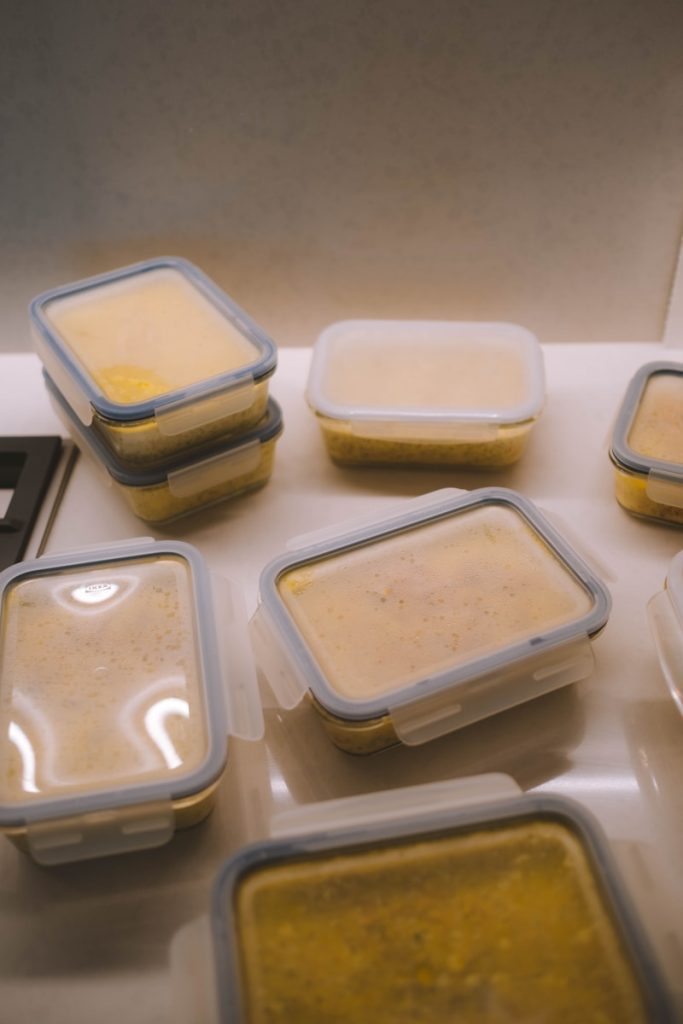
If you’ve ever wondered whether your vintage Tupperware can safely go in the dishwasher, you’re not alone. I’ve asked myself the same question, especially when some pieces have sentimental value or are simply too handy to replace. The straightforward answer is that vintage Tupperware is generally not dishwasher safe, as the heat and harsh detergents can cause warping, brittleness, or fading over time.
That doesn’t mean you have to stop using your older Tupperware, though. With the right care—mainly gentle hand washing—you can keep your favorite pieces looking good and lasting longer. I’ll share tips on what to watch for and how to handle your vintage collection so you won’t have to worry about accidental dishwasher damage.

Is Vintage Tupperware Dishwasher Safe?
I know many people wonder if their vintage Tupperware can safely go in the dishwasher without getting damaged. The answer depends on the materials used, how you run the dishwasher, and the presence of any dishwasher-safe markings. Some care helps keep these old plastic containers in good shape.
Understanding Vintage Tupperware Materials
Most vintage Tupperware is made from polyethylene, a type of durable plastic known for its strength and flexibility. Some later pieces might include polypropylene or even polycarbonate, but the majority are polyethylene.
Polyethylene is generally sturdy but can become brittle over decades, especially when exposed to high heat or harsh detergents. This aging makes the plastic more prone to cracking or warping.
Because of this, even though vintage Tupperware was designed with durability in mind, its age means extra caution is needed when cleaning, especially in machines that heat up and use strong detergents.
Dishwasher Compatibility and Symbols
If your Tupperware has any markings, check for a dishwasher-safe symbol or text on the bottom. Many older pieces don’t have these marks because dishwashers were less common when they were made.
Without clear dishwasher-safe labeling, it’s tougher to be sure they can handle being in a dishwasher regularly. Placing them on the top rack, where heat exposure is less intense, is one way to reduce risk.
Modern Tupperware usually has clear symbols indicating compatibility, but older containers mostly require you to rely on careful judgment based on their condition and material.
How Dishwasher Cycles Affect Old Tupperware
Dishwashers use different cycles with varying temperatures and detergent strengths. High-heat or heavy-duty wash cycles can cause vintage plastic containers to warp or lose color faster.
I recommend using gentle or eco-friendly dishwasher cycles with cooler water temperatures. These reduce the stress on the plastic and preserve the airtight seals found on many vintage pieces.
Avoid prolonged exposure to high heat or harsh detergents, as these factors accelerate the aging of plastic, making it brittle or potentially unsafe for food storage over time. Handwashing often remains the safest route for longer preservation.
For more detailed information, you can check this article on vintage Tupperware dishwasher safety.
Risks and Safety Concerns to Consider
When using vintage Tupperware in the dishwasher, I always think about the possible damage to the plastic as well as any health risks from chemicals that might leach into food. It’s important to understand these risks to keep both the containers and your food safe over time.
Potential for Warping, Cracks, and Discoloration
Vintage Tupperware was often made from durable plastics like HDPE or polycarbonate, but age can weaken them. I’ve noticed that repeated dishwasher cycles, especially on the hotter top rack, may cause warping or small cracks. These imperfections not only shrink the container’s lifespan but can trap bacteria.
Discoloration is another issue. Exposure to high dishwasher heat can fade bright vintage colors, making the containers look old or stained. Scratches from dishwasher jets may also dull the finish.
Because of this, I usually recommend inspecting each piece before washing and opting for handwashing if the plastic looks fragile or worn.
Chemical Leaching: BPA and Bisphenol A
One major concern with old Tupperware is chemical leaching, particularly BPA—a chemical once used in many plastics like polycarbonate. Studies have shown BPA can migrate into foods when heated, which raises health questions.
Vintage Tupperware made before BPA bans may still contain it. Using the dishwasher’s high heat can increase the chances of BPA or other chemicals seeping out, so I avoid dishwashers for any vintage containers that don’t specifically say “BPA-free”.
If your vintage pieces don’t mention BPA or safe dishwasher use, I’d recommend handwashing to reduce the risk of ingesting harmful chemicals.
Identifying Safe Versus Unsafe Containers
To protect myself, I look for key indicators on vintage Tupperware before deciding how to clean it. Containers labeled “dishwasher safe” and “BPA-free” generally pose fewer risks.
If markings are missing or unclear, it’s safer to err on the side of caution. I check for cracks, discoloration, or excessive wear because damaged pieces can leach chemicals or break more easily.
Here are my quick tips for identifying safe containers:
- Markings: Look for dishwasher-safe and BPA-free labels.
- Material: Polycarbonate often contains BPA; HDPE is safer.
- Physical Condition: Avoid containers with cracks or deep scratches.
- Age: Older than 20-30 years may carry more risk.
Following these guidelines helps me keep my vintage Tupperware safe and functional. For more detailed advice, check this guide on vintage Tupperware dishwasher safety.
Best Cleaning Methods for Vintage Tupperware
Taking care of vintage Tupperware needs a gentle approach to maintain its color and durability. Knowing how to clean it properly can keep your food storage containers looking great without causing damage.
Hand Washing Versus Dishwasher
For vintage Tupperware, I always recommend hand washing over using the dishwasher. The high heat and strong water pressure in dishwashers can warp or fade older plastic pieces. Many vintage containers lack dishwasher-safe labels, making hand washing the safest option.
I use a soft sponge with warm water and mild dish soap, gently scrubbing to remove food residues without scratching. This careful cleaning helps preserve the plastic’s finish and extends the life of the containers. After washing, I let them air dry completely before storing.
Removing Stains and Odors from Vintage Plastics
Stubborn stains and smells are common with vintage Tupperware, especially if they’ve stored tomato sauces or strong spices. To tackle stains, I make a paste from baking soda and water, then apply it to the affected area. Letting it sit for a couple of hours softens the stain before rinsing and washing as usual.
For persistent odors, soaking my containers in a mixture of warm water and white vinegar for several hours does wonders. Both methods are effective, non-abrasive, and safe for preserving your vintage Tupperware’s integrity without harsh chemicals.
Alternatives and Care Tips for Classic Food Storage
When dealing with vintage Tupperware, proper care is key to keeping the containers functional and safe. It’s also important to know when it might be time to let go and consider safer, more modern options. Taking small steps in maintenance and storage can make a big difference in the longevity of these classic pieces.
Proper Storage and Maintenance Advice
I’ve found that storing vintage Tupperware in a cool, dry place away from direct sunlight helps prevent warping and discoloration. Stacking containers carefully avoids unnecessary pressure that could crack or deform them.
When washing, I always hand wash with warm water and mild detergents, avoiding abrasive sponges. This protects the plastic surfaces and maintains their seal and appearance. After washing, drying thoroughly with a soft towel prevents water spots and mildew buildup.
Avoid using harsh chemicals or dishwasher heat, which can degrade the plastic and seals over time. Treating vintage pieces gently is the best way to keep them in good shape.
When to Replace or Retire Old Tupperware
I check my vintage Tupperware regularly for signs of damage like warping, cracks, or brittle plastic. If the airtight seals are compromised, it’s no longer safe for food storage.
Any noticeable fading or peeling plastic is also a sign it’s time to stop using it with food. Old plastic may leach chemicals, especially when cracked or damaged.
When you notice these issues, it’s better to retire the container rather than risk food contamination or spoilage. Repurposing old containers for non-food uses, like organizing supplies, is a safe alternative.
Switching to Modern or Glass Containers
Switching to BPA-free plastic or glass containers can improve food safety and durability. Glass food storage containers resist stains, odors, and warping that plastic might have.
Many modern Tupperware containers are designed to be dishwasher, microwave, and freezer safe, making them more versatile than vintage pieces.
I prefer glass for long-term storage because it doesn’t degrade and is easier to clean. BPA-free plastics offer a lighter, less breakable option but require attention to dishwasher use and proper handling. Choosing these alternatives gives peace of mind and maintains food quality.
For more on alternatives, you can explore options for glass containers and BPA-free food storage containers.