


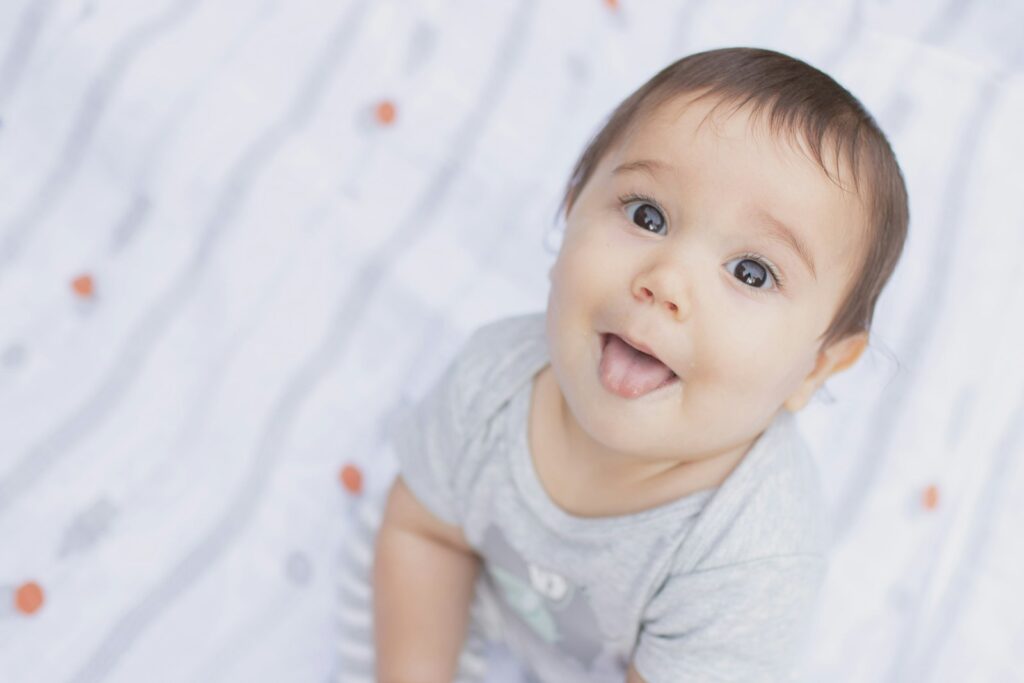
A new study suggests that some babies may begin showing early forms of deceptive behavior much earlier than many adults would expect, with some signs appearing before a child’s first birthday. But in this context, “lying” does not mean a baby is manipulative, sneaky, or headed down some troubling path. Researchers and child-development experts frame it much more simply: it can be one sign that a child is starting to understand cause and effect, other people’s reactions, and how to shape what happens next.

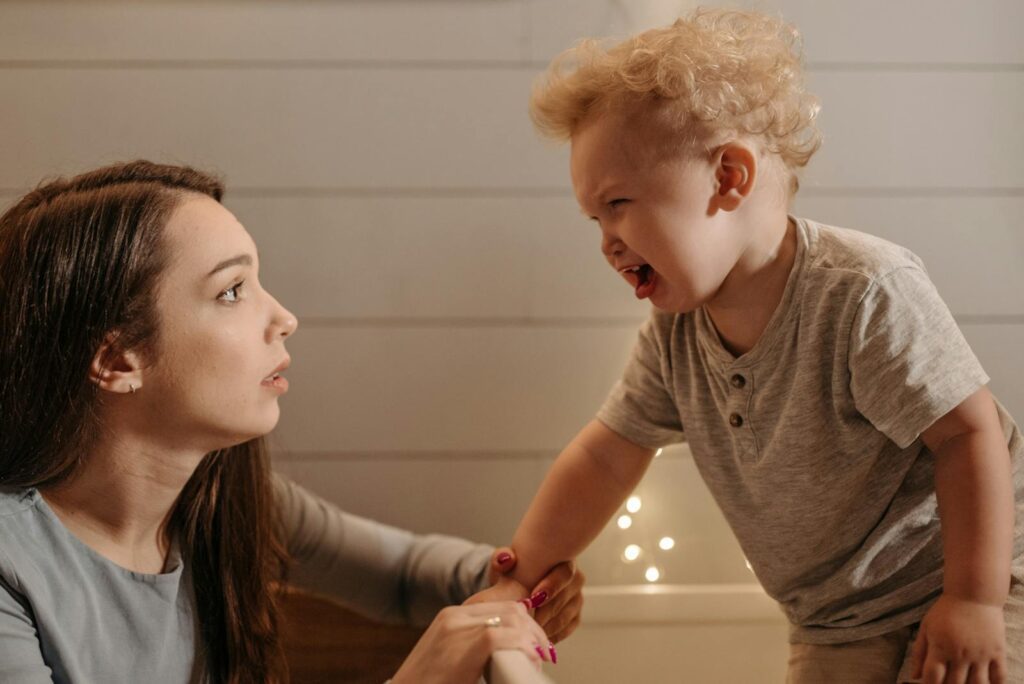
What researchers actually mean by “lying”
The study looked at parent-reported behaviors in children from infancy through the preschool years and suggests that early deception can start with very small, nonverbal actions. That might look like pretending not to hear a parent, hiding something they were told not to touch, or testing a reaction and then adjusting behavior once they see what works. Researchers found that some children may begin understanding deception by around 10 months, and that these behaviors become more common and more creative as children grow.
That does not mean a baby is sitting there forming elaborate lies. It means some infants and toddlers may already be experimenting with the very early building blocks of social behavior.
Why this may actually be a healthy sign
For most parents, the reassuring part is this: experts are not treating these early deceptive behaviors as a red flag.
In fact, they say it may reflect growing social intelligence. A child who experiments with deception may be showing that they are beginning to understand that other people have thoughts, expectations, and reactions that can be influenced. That kind of awareness is tied to normal cognitive and social development, not “bad character.” Experts quoted alongside the study emphasized that this kind of early deception is better understood as developmental exploration than malice.
That is an important distinction, especially for parents who already worry they are missing something every time a surprising new study makes the rounds.
What this does not mean
It does not mean your baby is being dishonest in the way adults think about dishonesty.
It does not mean your child understands morality the way an older child does. It also does not mean every dramatic cry, every sudden innocence face, or every conveniently timed distraction should be read as proof that your baby is “lying.”
The study itself has limits. It relied on parents’ interpretations of behavior rather than direct observation in every case, which means the results are useful and interesting, but not the final word on how deception works in infancy. Even the experts discussing the study urge parents not to overread it.
That matters, because parenting gets harder when every normal behavior starts to feel like something you need to decode perfectly.
What parents can take from it in real life
The most useful takeaway is not “watch out, your baby might lie.”
It is something more grounded: your child is learning how people work.
Babies and toddlers spend their early years testing the world constantly. They learn what gets attention, what gets comfort, what changes an outcome, and what makes adults respond differently. Some of that learning is messy. Some of it is funny. Some of it can look suspiciously clever. But a lot of it is part of normal development.
So if your child seems to test limits, hide a toy, pretend not to hear you, or deny something in an almost comical way later on, it may help to see the moment as information instead of proof of a bigger problem. Often, what you are really seeing is a growing brain practicing social understanding in real time.
How to respond without panicking
Parents do not need to come down hard on very early deceptive behavior as if they are dealing with serious dishonesty.
A calmer response usually makes more sense. That can mean setting the boundary, staying consistent, and not turning the moment into something heavier than it is. As children get older, honesty can absolutely be taught and reinforced. But in the earliest stages, the bigger goal is often helping them learn trust, connection, and cause and effect.
That is what makes this study less alarming than it first sounds. It is not really telling parents that babies are tiny liars. It is telling them that even very young children may be more socially aware than we tend to assume — and that this awareness, in the right context, is part of healthy growth.
More from Decluttering Mom: