


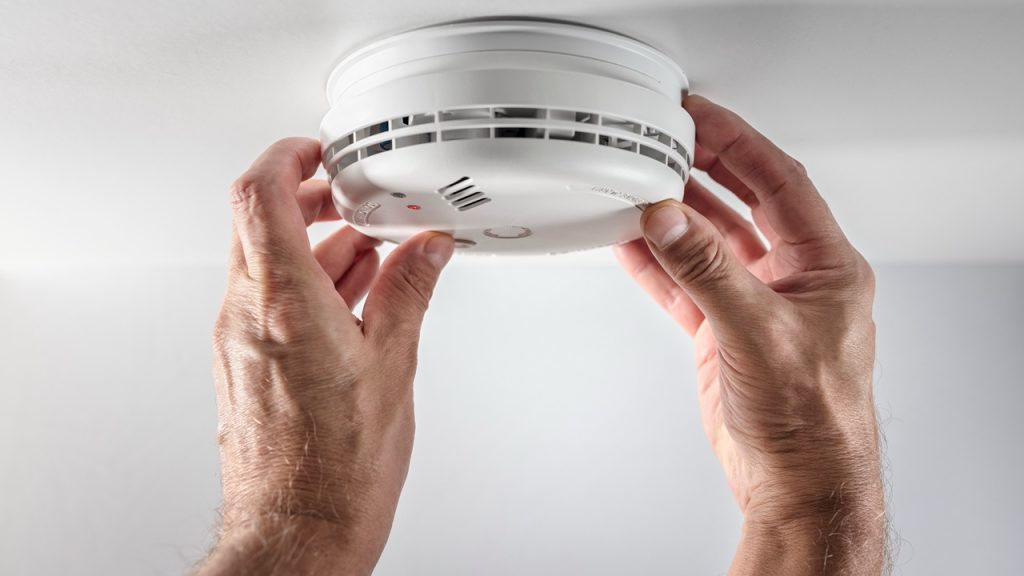
More than half of all carbon monoxide deaths in the United States happen in just four months, according to the Consumer Product Safety Commission, which found that November, December, January, and February account for the majority of the roughly 250 CO fatalities recorded in 2019, the most recent peak year in its data. That’s furnace season. It’s also, quietly, the season when a lot of alarms mounted in hallways and near bedrooms have already stopped being able to detect anything at all.

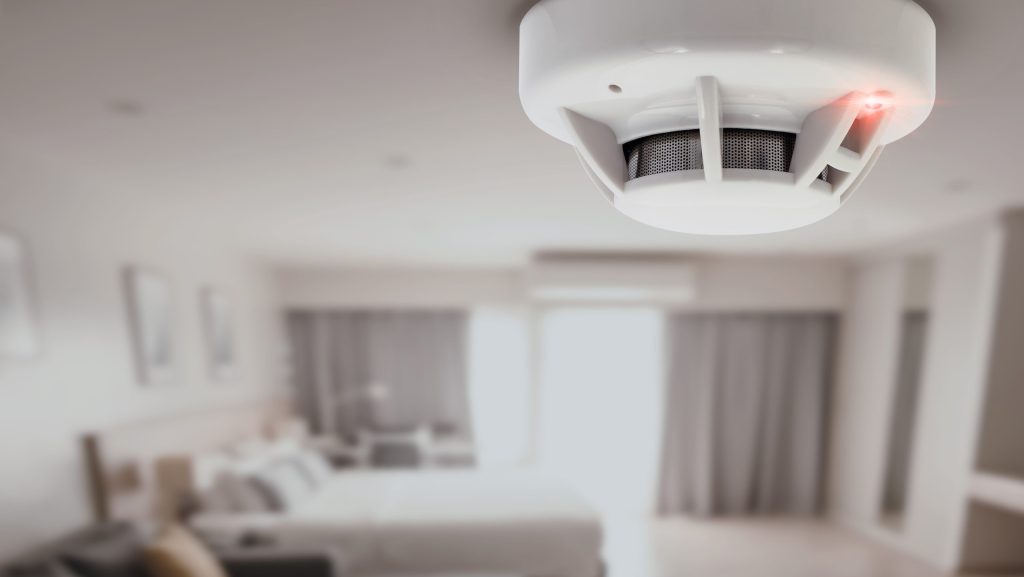
These things don’t last forever, and most people never checked
Carbon monoxide alarms have a working life measured in years, not decades, and it’s shorter than most homeowners assume. The state of Massachusetts puts it plainly in its own official fire safety guidance: “Replace carbon monoxide alarms every 5 to 7 years, depending on the make and model.” Manufacturer guidance lands in a similar range. Kidde, one of the largest alarm makers in the country, says its units built since 2013 carry a 10-year sensor life, while older models are rated for 7 years, and after that point “the alarm can no longer detect carbon monoxide” reliably even though the unit may still power on and appear to be working normally.
That last detail is the part that trips people up. A CO alarm doesn’t stop functioning the way a dead flashlight does. The electronic sensor inside slowly degrades with age and exposure, so the alarm can keep lighting up, keep passing a manual test-button press, and still fail to sense an actual leak. Newer models are built to catch this themselves, chirping in a distinct end-of-life pattern or flashing an “END” or “ERR” code on a digital display once the sensor has aged out. Older, simpler units offer no such warning. They just sit there, quietly non-functional, until someone thinks to check the manufacture date stamped on the back.
Why this particular week matters
Furnaces, water heaters, and gas fireplaces that have sat unused since spring are getting fired up again across most of the country right now, and that first startup of the season is a known trigger point for CO leaks from cracked heat exchangers, blocked flues, or improperly vented equipment. The CPSC’s own analysis found heating systems responsible for roughly 28% of consumer-product CO deaths in its most recent full-year data, the second-largest category behind portable generators. Carbon monoxide is colorless and odorless, which is precisely why the agency has spent decades pushing alarms into homes in the first place: without one working correctly, there is no other reliable warning before symptoms set in.
The unit that watches for smoke has its own clock, too
It’s worth separating carbon monoxide alarms from smoke alarms, because homeowners often lump the two together and assume one check covers both. Smoke alarms typically carry a longer rated life, often around 10 years, since they rely on a different detection method that degrades more slowly. CO sensors are the shorter-lived component in most combination smoke/CO units, which means a combo alarm can still be well within its smoke-detection window while its carbon monoxide sensor has already aged out. Checking the specific CO expiration date on a combination unit, rather than assuming the whole device is good for a decade, is the detail people miss most often.
How to actually check yours
Every CO alarm should have a manufacture date printed on the back or bottom of the unit, and most manufacturers recommend counting forward from that date rather than from whenever it was installed, since alarms can sit in a warehouse or a box for a while before going up on a wall. If there’s no legible date, or if the alarm predates the current homeowner entirely, the safest assumption is that it’s already past due. A quick test-button press only confirms the alarm, speaker, and battery circuit are functioning; it does not confirm the sensor can still detect gas, so it isn’t a substitute for checking the age.
Placement matters alongside age. Alarms work best installed near sleeping areas and on every level of the home, including the basement if there’s a furnace or water heater down there, since CO can spread through a house well before it reaches a single alarm mounted in one hallway. A five-year-old alarm in the wrong spot and an expired alarm in the right spot fail for different reasons, but the outcome is the same either way: nobody gets warned.
Replacing an expired CO alarm costs less than a routine furnace service call and takes about as long as changing a light bulb. Given how much of the year’s CO risk is concentrated in the exact stretch of weeks that just started, it’s a five-minute check worth doing before the temperature drops any further, not after.