You have a tangle of old necklaces, a few broken chains, a ring that no longer fits, and maybe a single earring that lost its mate years ago. Everything sits in a dish or a drawer, and you keep thinking you should do something with it. Then you see the signs: “Cash for Gold. We Pay Top Dollar.” It sounds easy, quick, and a little bit exciting.
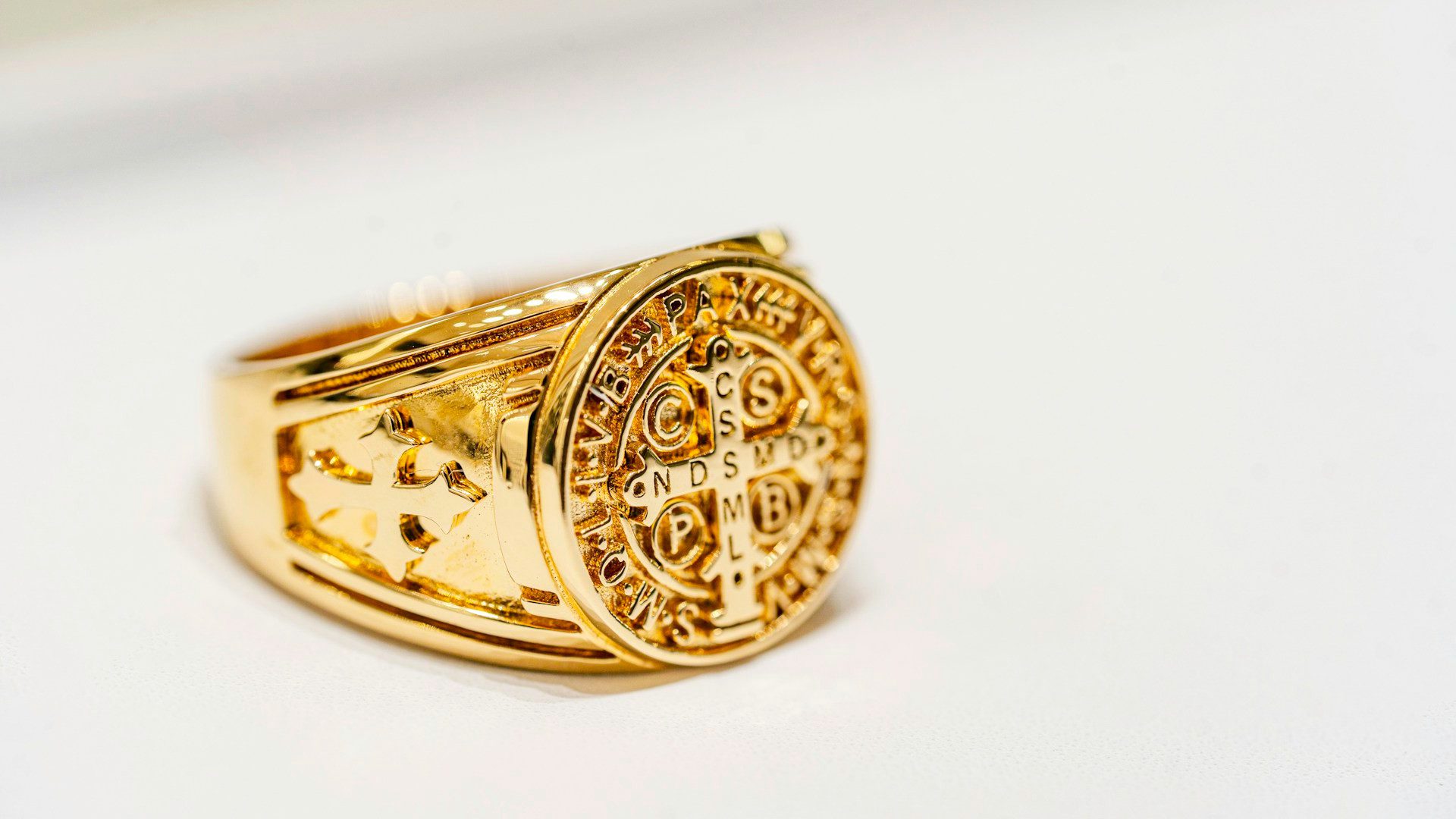
Here is the catch. Some buyers will happily offer you far less than your jewelry is worth, and many people never find out how much they lost. If you walk in without knowing what you have, the person across the counter knows more than you do, and that gap is where the money disappears.
How A Lowball Offer Works
Most gold buyers pay for the metal in your jewelry, not for its sentimental value. They weigh it, test it, work out how much pure gold is inside, and offer you a percentage of what it is worth. A buyer has to make a profit, so you should expect an offer below the full value of the gold. The problem is when that offer is far below what other buyers would pay.
A lowball offer often leans on your lack of information. The buyer may rush you, say the offer is good for today only, or quickly sweep your pieces onto the scale before you can ask questions. Do not feel pressure. A reputable buyer will let you walk out and think it over.
Know The Purity
Gold is measured in karats. Pure gold is 24 karat. Jewelry is usually mixed with other metals to make it stronger, so most pieces are lower than that. A few common ones:
- 18 karat is 75 percent gold.
- 14 karat is about 58 percent gold.
- 10 karat is about 42 percent gold.
Look for a tiny stamp on the clasp, inside a ring band, or near the end of a chain. You may see something like 14K, 18K, 585, or 750. The numbers 585 and 750 are the same purity expressed as parts per thousand: 585 is 14 karat, and 750 is 18 karat. Items marked “gold plated” or “gold filled” are not solid gold, and they are worth far less as scrap.
Know The Weight
Gold is generally weighed in grams or in pennyweights. Gold’s price is quoted per troy ounce, and one troy ounce is about 31.1 grams. Before you sell, weigh your pieces on a kitchen scale that measures in grams. Stones and other attachments add weight that is not gold, so a rough number is only a starting point, but it helps you tell if a buyer’s scale is giving you a very different reading.
The price of gold changes every day and is easy to look up online. Once you know the weight and the purity, you can do a rough calculation: weight times the purity percentage, multiplied by the current price per gram of pure gold. That gives you a ballpark of what the metal is worth, and it shows you how far a buyer’s offer falls below it.
Get Several Quotes
This is the single best defense. Take your jewelry to at least three buyers and compare what each one offers. Try a local jeweler, a reputable pawn shop, a coin and bullion dealer, and an online buyer that offers a free quote. Offers for the same pieces can vary quite a bit from one place to the next, so shopping around is worth the afternoon.
Ask each buyer how they calculate their offer. Do they pay a percentage of the gold value, and how do they weigh and test your items? A trustworthy buyer will explain this plainly and will weigh your jewelry in front of you.
Check Whether It Is Worth More Than Its Gold
Not everything should be sold as scrap. Items with gemstones, signed designer pieces, or antique jewelry may be worth more as they are than melted down. A buyer who only prices the metal may overlook that. If you think a piece is special, have a jeweler or an appraiser look at it before you sell. Many will give you an honest opinion.
Protect Yourself At The Counter
- Do not mail your jewelry to a company you have not researched. Read reviews and look up the business first.
- Keep your pieces in your sight while they are weighed.
- Ask for the offer in writing before you agree.
- Get a receipt that lists each item and the amount paid.
- Be ready to say no and walk away.
If you do not need the money right now, there is no hurry. Gold has been valuable for a very long time, and your jewelry will not go bad in the drawer. Take a day, make a few calls, and learn your numbers. A little homework turns a quick, pushy transaction into a fair deal, and it keeps more of your own money in your pocket.
More Stories You May Like
- Minimalist Mom Lists The Everyday Things She Does Not Own Including A Coffee Table Curtains And Extra Kitchen Appliances And Never Misses Them
- Couple Paid Sixty Dollars For A Vintage Ethan Allen Piece And Loved The Solid Maple So Much They Nearly Kept It Before Listing For Eleven Hundred
- Mom Deep Cleans the House She Already Knows She Will Not Get to Keep After Her Divorce and Explains Why She Is Choosing a Fresh Start for Her Kids