


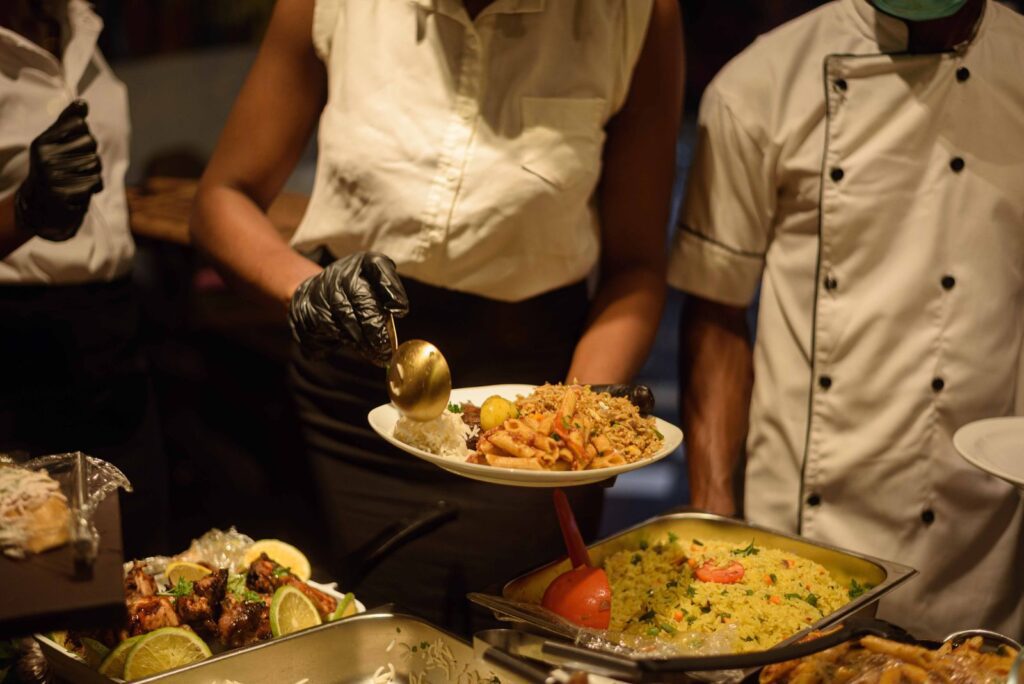
In the bustling chaos of a buffet restaurant kitchen, one worker found herself caught in a bizarre standoff over who should grab condiments. What began as a simple request for sauces erupted into a showdown between her and a chef who insisted it wasn’t her responsibility to fetch supplies.
The diner experience relied on swift movements and clear communication. Each worker had designated duties, and the runner—where this employee typically operated—was tasked with picking up food and returning it quickly. During peak hours, it wasn’t uncommon for the kitchen to be understaffed, leading the runners to pitch in where they could, especially for essential items like sauces and toppings. But on this particular day, things took a turn.

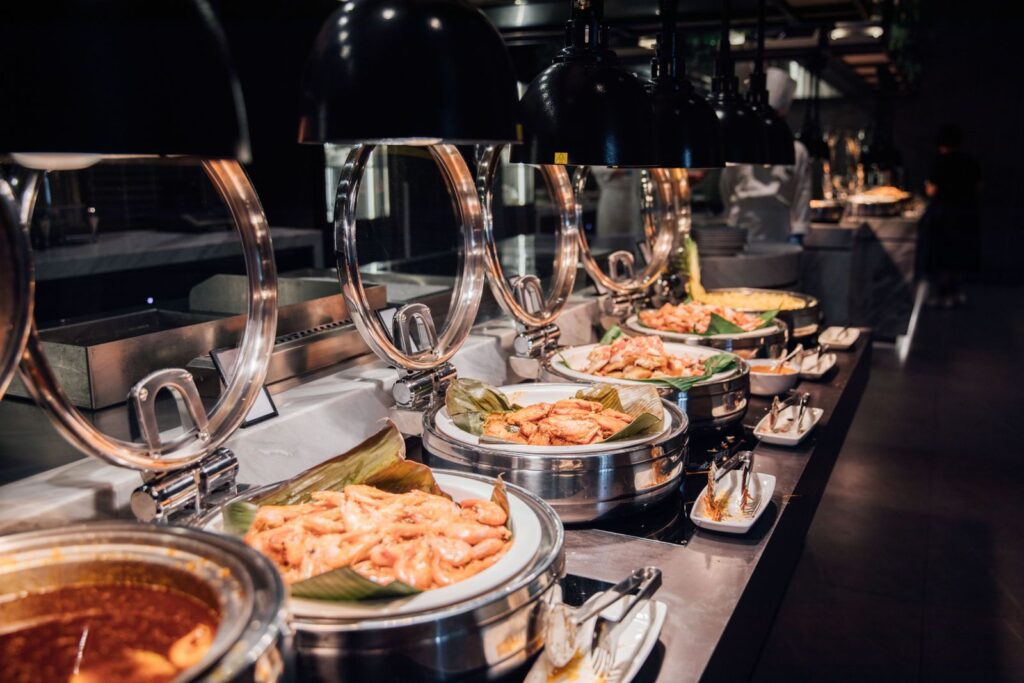
After waiting too long for some green onions and sauces during a busy shift, she decided to take matters into her own hands. She entered the kitchen, announcing her intentions to grab the items she needed. Unfortunately, a chef confronted her, proclaiming that retrieving those items wasn’t part of her job. She had always assumed that being proactive was encouraged, especially when the kitchen was swamped with orders. But today, the chef had a different perspective.
In response to his directive, she attempted to reason with him, questioning why she couldn’t help out when everyone else was scrambling. The chef stood firm, reiterating that the responsibility rested with him alone. Feeling frustrated but undeterred, she returned to her post, knowing that their busy pace required cooperation. When the next round of needs arose, she decided to test the waters again.
This time, instead of quietly collecting her requests, she made a spectacle of it. She shouted out the entire list of items she needed, her voice echoing through the kitchen. “Sauce one, sauce two, green onions, honey!” Her insistence on communicating everything she needed caught the chef off guard, and his initial silence only encouraged her to keep going. On her third round of demands, he finally snapped, urging her to just put the request in writing and be patient. She pointed out the ticking clock; if she didn’t return promptly, her supervisor would start asking questions. That was when the chef’s tone shifted from authoritative to reluctant compliance.
Reluctantly, he conceded, “Ok, just go in there and grab it.” But her quick wit reminded him of their previous encounter, asserting that he had said it was not her job to do so. Suddenly, it was clear that he was forced to rethink his stance. With a huff, he muttered to forget it, allowing her to gather what she needed while he handled the rest.
From that day forward, the dynamics shifted slightly in the kitchen. The chef never complained again about runners popping in to grab supplies. This little moment of “malicious compliance” seemed to open the floodgates for a more cooperative environment, even if it started from a disagreement over responsibility.
People had very different reactions to her story on Reddit. Some admired her quick thinking, suggesting that taking charge when needed was essential in high-pressure situations. Others pointed out that the chef could have handled it better and that clear communication is crucial in a busy kitchen. A few even shared their own experiences of navigating similar conflicts in their workplaces, emphasizing the sometimes bizarre dynamics of restaurant work.
It’s interesting how roles can become so rigidly defined, yet when the pressure mounts, those lines blur. Would the chef have been more effective in his role if he had allowed others to help? Or was he just trying to maintain order amidst the chaos? The question remains: when is it okay to step outside of one’s assigned role for the greater good?
More from Decluttering Mom: