


You spot a headline about a child drowning after being left alone at a pool and feel compelled to know what happened and why adults might face charges. This article explains the key facts of the incident, who may be held responsible, and what safety rules and legal standards apply so you can understand the stakes quickly.
They lay out the timeline of events, what officials reported about supervision and pool rules, and how the investigation is moving toward potential charges. Expect clear, concise details about the incident, the local response, and practical safety takeaways that matter to anyone who cares for children near water.
Unattended at the Pool: Timeline and Key Details

Two women left six children alone at a private club pool while they went to the bar area for food and drinks. A 4‑year‑old was later pulled from the water and pronounced dead after emergency responders attempted resuscitation.
What Happened at Deer Lake Athletic Club
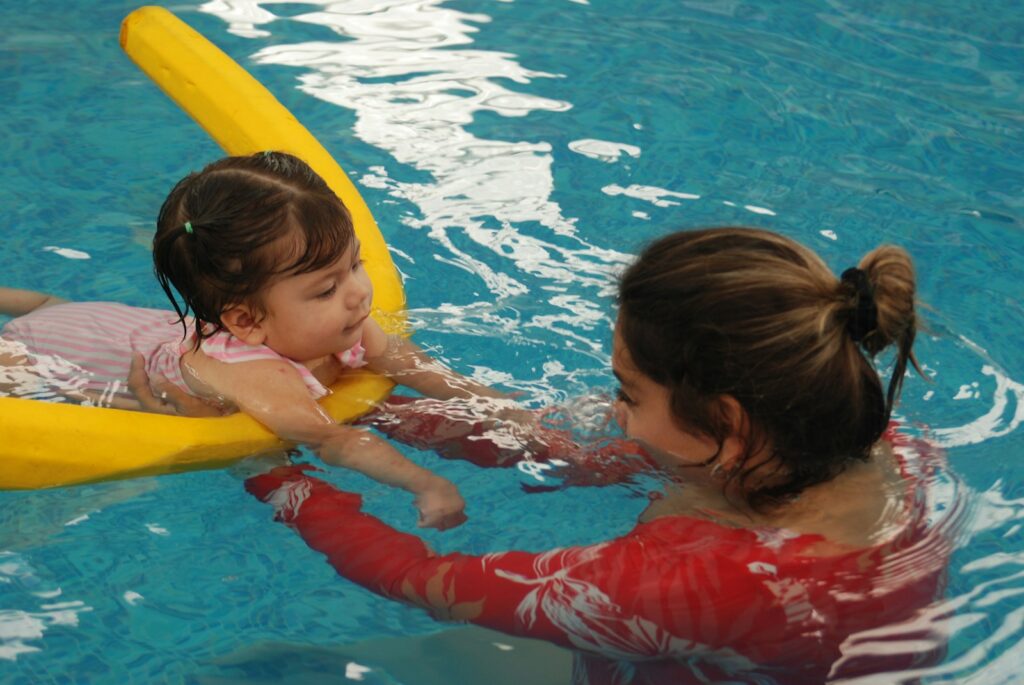
Two women brought six children, ages 12, 10, 8, 6 and 4, to the Deer Lake Athletic Club in Independence Township. They set flotation toys and pool noodles in the water, then went to the club’s bar/restaurant area and remained there for about 35 minutes while the children were in the pool area.
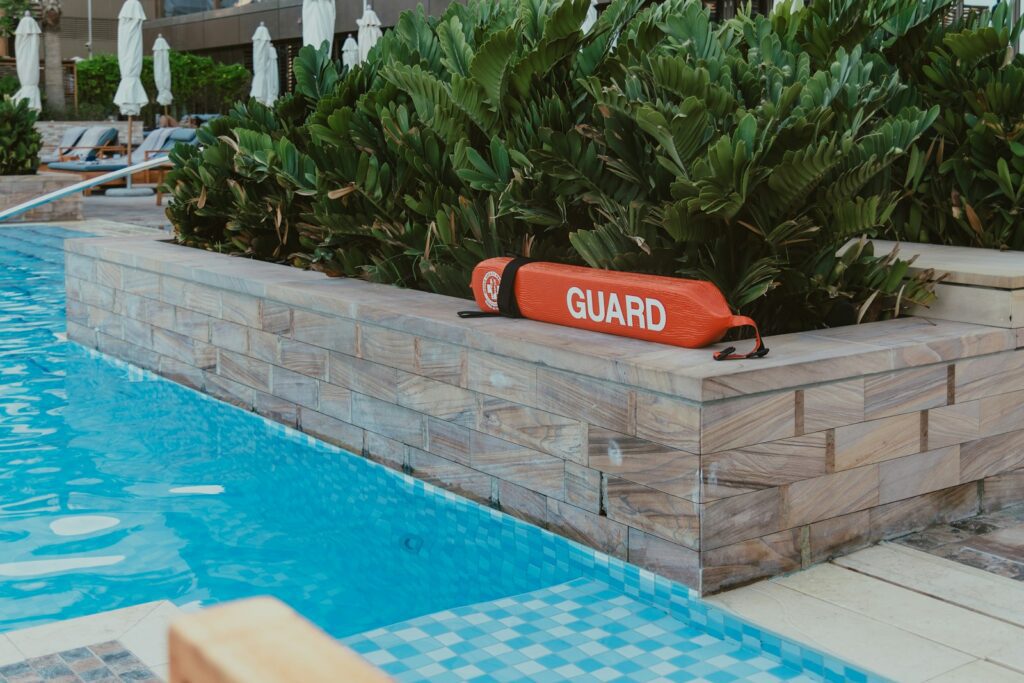
Pool signage at each end stated minors under 16 require an adult in the water. Deputies with the Oakland County Sheriff’s Office noted the pool depth ranged from roughly 3 to 5 feet and found no life preservers nearby. Investigators observed that the children were unsupervised during that span and that one child later removed the youngest from the water.
Sequence of Events Leading to the Incident
At about 7:30 p.m., someone in the pool area discovered the 4‑year‑old unresponsive and removed her from the water. Two men and a woman immediately began CPR at the scene while deputies from the Oakland County Sheriff’s Office responded. Independence Township Fire Department paramedics arrived shortly afterward for advanced life support and transport.
The child was taken to a local hospital, where she was pronounced dead. Sheriff Michael Bouchard said investigators determined the adults had left the children unattended and that the case will be reviewed by the Oakland County Prosecutor’s Office for possible charges. Officials emphasized that one adult should be specifically tasked with watching children in the water.
Lifesaving Efforts and Emergency Response
Bystanders initiated CPR before law enforcement took over, and Independence Township Fire Department personnel provided further medical care and rapid transport to a nearby hospital. Deputies documented the scene, noting the absence of life preservers and the presence of pool toys that may have obscured visibility.
The Oakland County Sheriff’s Office led the investigation, collecting witness statements and reviewing club policies and signage. Investigators prepared their file for submission to the Oakland County Prosecutor’s Office to determine whether criminal charges against the adults are warranted.
Charges, Safety Rules, and Community Impact
Authorities have filed criminal counts tied to supervisory failures, equipment use, and adherence to posted rules. The legal focus concentrates on who had responsibility, whether flotation devices were provided or appropriate, and how the absence of active supervision affected outcomes.
Charges Considered for Adults Involved
Prosecutors often weigh charges such as involuntary manslaughter, criminally negligent homicide, and child endangerment when an unsupervised child drowns. They will consider who was legally responsible for supervision at the pool, whether the adults left a child alone, and any prior warnings or policies they ignored.
If the site was a private gathering, charges can still proceed under statutes for neglect; if it was a managed facility, failure to enforce posted rules like no lifeguard on duty signs may factor into negligence claims. Evidence includes witness statements, surveillance video, and whether flotation devices were offered or used.
In communities like Sterling Heights and jurisdictions overseen by officials such as Oakland County Sheriff Mike Bouchard, prosecutors may also look at local ordinances and prior enforcement to determine charges and custody decisions.
Role of Safety Equipment and Pool Policies
Pools displaying no lifeguard on duty must have clear signage, posted emergency procedures, and accessible flotation devices. Availability of life rings, shepherd’s hooks, and properly maintained buoyant aids can reduce risk, but they do not replace active supervision.
Policies should state minimum adult-to-child ratios and require that non-swimming children wear US Coast Guard–approved life jackets rather than inflatable toys. Staff or hosts must document safety briefings and equipment checks; absence of such records strengthens criminal and civil claims.
Inspectors and investigators will note whether floatation devices were appropriate, in good repair, and reachable, and whether posted rules at the pool were visible and enforced.
Reactions from Law Enforcement and Community
Law enforcement typically urges messaging about supervision and compliance with posted pool rules after a death, stressing accountability without speculating on charges. Officials such as Sheriff Mike Bouchard may appear at briefings to explain the investigative steps and to remind residents about child-safety practices.
Community reactions often include memorials at the pool, calls for stricter enforcement of no lifeguard signage, and requests for mandatory safety equipment at public and private pools. Local leaders may push for ordinances requiring clearer signage or requiring flotation devices at unattended pools to prevent repeat tragedies.
More from Decluttering Mom: