

Your closet can undo a spotless house in minutes if you let small habits run the show. Open doors, mismatched storage, and a stash of “maybe” items create visual noise that makes the whole home feel chaotic even when surfaces are clean. Fixing a few everyday closet habits will instantly calm the look and feel of your entire home.
You’ll learn which common behaviors sneak clutter into your closet and practical, low-effort swaps that actually stick. Expect clear actions you can apply tonight to make mornings smoother and your space feel more orderly.

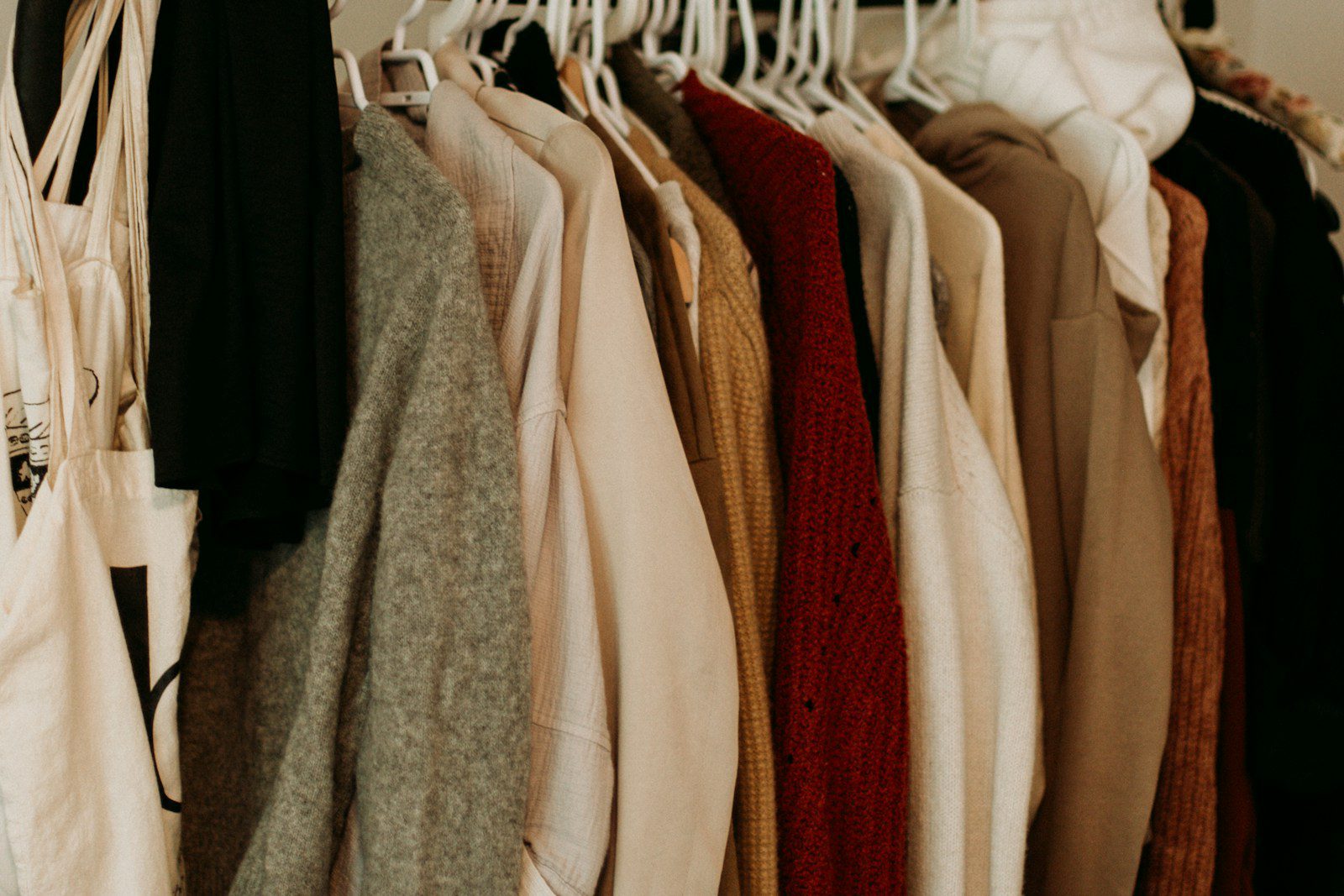
Everyday Closet Behaviors That Cause Visual Clutter
Small, repeated actions create the visible mess that makes even a tidy house feel chaotic. Tackle a few simple habits and you’ll free up space, speed up mornings, and cut the time you spend on decluttering.
Leaving Clothes on Chairs or Floors
When you drape jackets, throw shirts over chairs, or pile shoes by the door, those items become visual anchors that pull the eye and make the whole room look messy. A single blazer on a chair reads as clutter; five items become a cue that the space is unkempt.
Use a dedicated hook, valet stand, or a narrow basket to corral garments you plan to wear again. If you must set something down temporarily, limit the pile to one item and designate a single chair or bin as the “pause” spot.
Teach yourself a quick reset habit: within two minutes of taking off clothing, hang it, fold it into a laundry basket, or place it in a donation box. Professional organizers recommend a visible, labeled container to make decisions automatic and reduce the mental friction of decluttering.
Letting Clean Laundry Sit Out
Clean clothes left unfolded or unfiled become clutter even though they’re technically tidy. A neat stack of shirts grows into a teetering tower that you avoid, which defeats the purpose of washing.
Adopt a folding routine tied to another daily task—fold while you watch your morning news or immediately after drying. Use small, specific organizers: one shelf for folded tees, another bin for socks, and drawer dividers for underwear. These micro-structures help you put items away faster and keep surfaces clear.
If time is the issue, do a “10-minute putaway” sweep once a day. Set a timer, carry a laundry basket through your bedroom and closet, and return items to their assigned spots. This reset sweep converts a recurring task into a quick habit.
Overstuffing With Unused or Outgrown Items
Keeping things “just in case” fills shelves with invisibles: clothes you haven’t worn in a year, items that no longer fit, or duplicates you forgot you owned. Overstuffed racks compress garments, hide what you actually wear, and create visual clutter even when everything is technically stored.
Use a simple decluttering rule: if you haven’t worn it in 12 months, move it to a labeled donation or storage bin. Rotate seasonal pieces into underbed bins and keep only current-season clothing in your primary closet. Clear, labeled containers and slim shelving make it obvious when space is full and force choice.
Periodically audit one shelf or rail per month rather than attempting a full purge at once. This small habit aligns with professional organizers’ advice to remove decision fatigue and make decluttering sustainable.
Ignoring the Need for Quick Resets
A closet that looked fine after a weekend purge can appear chaotic by midweek if you never perform quick resets. Small tasks—returning hangers to the same orientation, realigning shoes, or re-folding a slouchy sweater—prevent cumulative visual clutter.
Create tiny reset rituals you can complete in under five minutes: straighten hangers every night, realign shoes before bed, and do a two-minute shelf sweep after getting dressed. Keep basic tools handy—a small lint roller, a hook, and a slim stacking bin—so resets don’t become multi-step projects.
Teach family members the same quick resets by assigning a single visible task (for example, “put socks in bin”) and keeping labeled containers. These everyday habits keep your closet readable and reduce the need for larger decluttering sessions.
Simple Strategies for Creating a Neater Closet and Home
Keep daily clutter from migrating through your rooms by giving items clear destinations and consistent habits. Focus on a permanent donate box, see-through storage, a quick temporary holding spot, and integrated solutions that match your routines.
Establishing a Permanent Donate Box System
Place a sturdy, labeled permanent donate box in or next to your closet so you make donating automatic, not seasonal. Use a breathable bin or collapsible tote with a clear label like “Donate” and a list taped to the lid with criteria (stains/holes, unworn 12+ months, wrong size).
Each time you try on or remove something, decide immediately: keep, repair, or drop in the box. Schedule a recurring reminder on your calendar—monthly or every three months—to drop the box at a donation center or arrange pickup.
Keep a small inventory sheet inside the box or a running note on your phone so you can track what you’ve given and avoid duplicate donations. This system reduces backlog and stops overflowing piles that drag a clean home into chaos.
Using Clear Bags and Matching Containers
Switch to clear bags and matching containers for accessories, seasonal items, and seldom-used pieces so you can see contents at a glance. Choose uniform plastic bins or archival clear bags for sweaters, scarves, and seasonal footwear; label each with a consistent sticker format (category, size, season).
Stackable clear boxes save vertical space and make it easy to spot what’s inside without opening every lid. For delicate items use breathable clear garment bags to prevent mildew while keeping visibility.
Matching containers create visual calm; when everything has the same shape and color, your closet looks tidier even if it’s full. Keep a short legend on the shelf edge (e.g., “Top row: winter; Middle: accessories”) to speed retrieval and returning items correctly.
Maintaining a Temporary Holding Spot
Designate a small, reachable spot—like a tray on the closet floor or a narrow shelf—for items you’ll decide on later. Use a shallow bin labeled “Maybe” or “Pending” for clothes that need tailoring, one-off donations, or items you want to try with outfits.
Limit the spot to a fixed capacity (one tray or two shallow bins). When it’s full, you must process it: repair, donate, sell, or return to wardrobe. Set a weekly 10–15 minute habit to clear that holding spot so it never becomes an overflow zone.
This prevents the common habit of carrying “I’ll decide later” items through your home. A controlled, small holding area keeps laundry, packages, and impulse items from spreading and making a clean house feel messy.
Integrating Storage Solutions for Smooth Routines
Match storage choices to how you use items daily. Install a low-level shelf for shoes you wear weekly, add hooks at eye level for daily bags, and keep a slim drawer near the closet entrance for frequently used accessories.
Use vertical dividers and stackable clear bins to create micro-zones: workout gear, work shirts, weekend wear. Label each zone clearly and place the most-used zones at arm height for fast access.
Work with a professional organizer for one session if you need layout advice; they can suggest rod height changes, extra shelves, or a second hanging rod to double capacity. Small hardware tweaks combined with matching containers make routines faster and reduce decision fatigue.