

Tired of spending hours watering, fertilizing, and patching a grass lawn that never feels satisfied? Clover lawns give you a simple, eco-friendly alternative that stays green with less work, fixes nitrogen naturally, and tolerates wear better than many grass varieties. If you want a low-maintenance, sustainable landscaping option that looks good and helps the environment, switching to clover could save time, money, and water.
You’ll learn why clover lawns are winning over people who no longer want to baby grass, which clover varieties work best, and how to plant and care for a healthy clover lawn that fits your yard. Expect practical tips on establishing clover, maintaining it without harsh chemicals, and deciding whether it’s the right lawn alternative for your property.

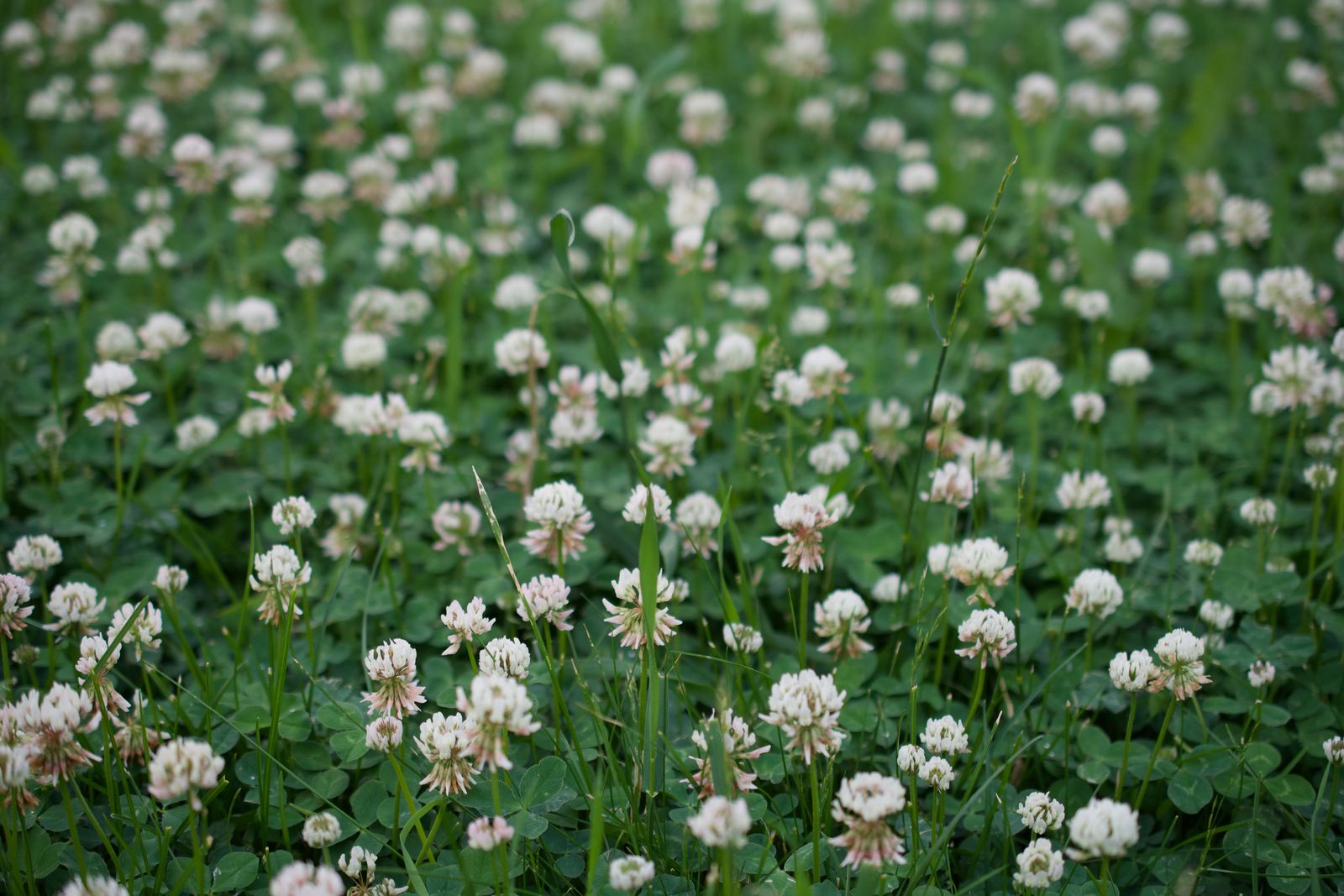
What Makes Clover Lawns a Game-Changer
Clover lawns cut common lawn chores and deliver measurable environmental benefits. They reduce watering, eliminate routine fertilizer, support pollinators, and tolerate many soil types you might find difficult to grow grass on.
Key Benefits of Clover Lawns
Clover lawns require far less water than cool-season turfgrass because clover’s deep roots access moisture below the surface. You’ll typically only need irrigation during establishment or prolonged droughts, which lowers utility bills and conserves water.
You won’t buy synthetic nitrogen fertilizer. Clover fixes atmospheric nitrogen into the soil, so adjacent plants and any blended turf receive a steady nutrient boost. Mowing is minimal — often once or twice a year — saving time and fuel.
Expect fewer chemical inputs and fewer pest-control needs. That translates into lower cost and a safer outdoor space for children and pets. A clover lawn also resists erosion and fills thin spots more reliably than many grass types.
Clover for Better Soil and Natural Fertilization
Clover is a legume that forms symbiotic relationships with Rhizobium bacteria in its root nodules. Those bacteria convert atmospheric nitrogen into plant-available nitrogen, so you gain a natural, ongoing fertilizer without bagged products.
Over time, your soil’s nitrogen levels rise and organic matter improves, which benefits nearby plantings and reduces your need for amendments. Clover’s root system loosens compacted soils and improves infiltration, which helps with drainage and reduces runoff.
If you’re switching from turf, remove persistent grass patches where needed; otherwise, clover will coexist with many grasses and still enhance soil health. Reseeding every few years keeps the stand vigorous without heavy maintenance.
How Clover Attracts and Supports Pollinators
When clover blooms, it produces small, nectar-rich flowers that bees, bumblebees, and other pollinators visit frequently. Those visits support local pollinator populations and improve pollination for nearby fruit and vegetable gardens you might maintain.
Microclover varieties flower less conspicuously if you prefer fewer blooms while still supporting insects. If stinging insect presence is a concern for children’s play areas, mow selectively during peak bloom to reduce floral nectar without eliminating the plant’s benefits.
By replacing regular pesticide and herbicide use with clover’s dense cover, you create a safer habitat for pollinators and beneficial insects. That shift supports biodiversity and helps sustain local ecosystems you depend on for home gardening success.
Clover Lawns as a Low-Maintenance Solution
You’ll save time: clover typically needs mowing only a couple times a year and often survives without supplemental feeding. Establishment requires regular watering for the first few weeks, then little irrigation thereafter.
Costs fall too. Seed and long-term upkeep generally cost less than turfgrass because you eliminate most fertilizers, herbicides, and frequent mowing. Clover also handles wear better in mixed lawns; when blended with fescue or bluegrass, it fills gaps and reduces bare soil.
If heavy foot traffic is constant, consider a mix of clover and turfgrass or choose microclover for a denser, lower-growing cover. This gives you a walkable surface while preserving clover’s eco-friendly, low-maintenance advantages.
Relevant reading on these practical benefits appears in coverage of clover lawn pros and cons and detailed planting advice, such as the practical tips found at Country Living and The Spruce.
Choosing, Planting, and Maintaining Your Clover Lawn
Clover gives you a low-water, low-fertilizer groundcover that attracts pollinators and tolerates poor soils. You’ll pick a variety, decide whether to mix it with grass, prepare the soil, and follow simple routines to keep it dense and healthy.
Popular Clover Varieties for Lawns
Choose white clover (often called Dutch white clover or white Dutch clover) for a classic lawn alternative; it forms a dense mat and reseeds readily. White clover tolerates cool-season climates and recovers from light wear, making it a good base for most yards.
Microclover offers smaller leaves, fewer flowers, and a neater look. It blends well with turfgrass and reduces the number of visible blooms, which helps if you worry about stinging insects or aesthetics. Microclover seed typically costs more per pound but spreads finer and stays lower.
Avoid tall types like red clover for pure lawns; red clover grows taller, blooms larger, and behaves more like a forage crop than turf. For mixes, use roughly 0.5–1 lb of clover seed per 1,000 sq ft when overseeding existing turf; check supplier recommendations for specific varieties.
Mixing Clover With Grass for the Perfect Blend
Mixing clover with grass combines durability with low-maintenance benefits. Pair microclover with cool-season grasses such as tall fescue or Kentucky bluegrass; the clover fixes nitrogen and helps turf survive dry spells.
When establishing a blend, aim for 5–20% clover seed by weight in the mix for a balanced lawn that still feels grassy underfoot. Broadcast the seed evenly, then lightly rake so seeds contact soil. If you prefer more clover, increase the clover proportion and reduce grass seed accordingly.
Expect some competition: dense turf can suppress clover, and clover can thin in deep shade or drought. Mow at a moderate height—about 2–3 inches—to keep grass dominant while allowing clover to flower occasionally for pollinators. For product guidance, look at clover seed blends specifically labeled for lawns.
Starting and Establishing a Clover Lawn
Clear the area of weeds and heavy thatch before seeding; clover seeds need soil contact to germinate. For a full-clover conversion, remove or kill turf with solarization or sod cutting, then loosen the top 1–2 inches of soil and rake smooth.
Sow clover seed in early spring or early fall when soil temperatures are cool. White clover germinates in about 7–14 days under consistent moisture; microclover may take slightly longer. Typical seeding rates range from 2–8 ounces per 1,000 sq ft for pure clover lawns; consult seed labels for exact rates.
Keep seeded areas evenly damp until seedlings establish—usually 1–3 weeks. Protect new seed from birds by mixing seed with sand or using a light mulch if needed. Avoid heavy foot traffic during establishment to let roots develop.
Simple Care Tips for Sustainable Success
Water sparingly once established; clover’s deep roots reduce irrigation needs. Only water during extended droughts or if the clover shows prolonged wilting.
Mow infrequently—twice a year if you want to let blooms set seed, or more often to reduce flowers and stinging insects. Mowing at 2–3 inches keeps a tidy appearance and helps the grass-clover mix coexist. Do not apply high-nitrogen fertilizers; clover fixes atmospheric nitrogen and excessive fertilizer favors grass over clover.
Manage bare spots by overseeding with the same clover seed and keeping the patch moist until new plants root. If pests or excessive weeds appear, address them locally rather than using broad-spectrum pesticides that harm pollinators. For ideas on planting and care, consult practical guides such as the detailed planting steps at The Spruce or the step-by-step methods at Martha Stewart.