

You probably toss used coffee grounds without thinking — or pile them on plants and hope for magic. Coffee grounds can improve soil structure, slowly add nitrogen, attract earthworms, and deter some pests, but many people apply them the wrong way and harm their plants.
Used correctly, coffee grounds are a free, gentle soil amendment that helps the right plants thrive; used incorrectly, they compact, over-acidify, or create water-repelling crusts. This post explains which plants benefit, how grounds actually work in soil, and simple, safe ways to apply them so you get the pluses without the pitfalls.
You’ll see practical tips on mixing grounds into soil and compost, when to avoid them, and how small mistakes turn a helpful kitchen scrap into a gardening problem.

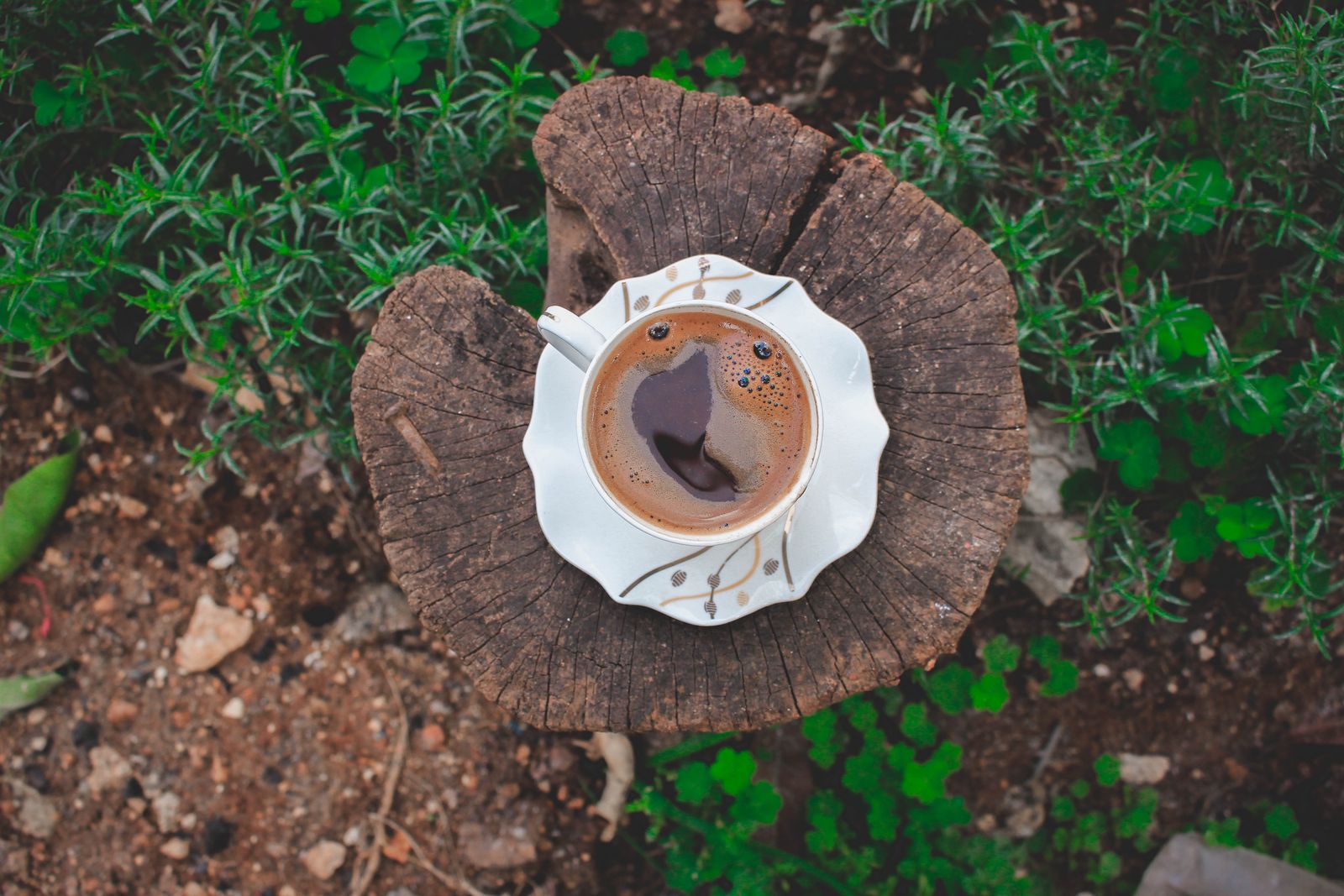
How Coffee Grounds Help Plants and Soil
Used coffee grounds add organic matter, a modest dose of nutrients, and microbial food that can improve soil texture and fertility when applied correctly. They work best mixed into compost or soil in small amounts rather than dumped directly on plant roots.
Nutrient Content and Soil Structure
Coffee grounds contain mainly organic carbon and some nitrogen — typically around 2% nitrogen by dry weight — plus small amounts of phosphorus, potassium, and micronutrients. That nitrogen is slow-release when grounds break down, so they support leafy growth over time rather than causing an immediate fertilizer spike.
When you mix grounds into potting mix or topdress thinly on garden beds, they help lighten heavy clay and increase water retention in sandy soils. Grounds also add fine particles that improve soil aggregation, which helps roots access air and moisture. Avoid adding large, uncomposted quantities directly around seedlings; microbes decomposing fresh grounds can temporarily tie up nitrogen and stress young plants.
The Real Impact on Soil pH
Many gardeners expect used coffee grounds to acidify soil strongly, but that expectation is usually wrong. After brewing, used grounds are close to neutral pH and rarely change garden pH enough to affect most plants. If you want to confirm, test your soil with a handheld pH meter or a kit before relying on grounds to alter acidity.
You can use grounds around acid-loving plants without much risk, but don’t assume they’ll shift soil pH enough to make dramatic changes (for example, to change hydrangea bloom color). If true acidification is needed, use materials designed for that purpose or soil amendments with known pH effects.
Why Composting Makes Coffee Grounds Better
Composting stabilizes coffee grounds and turns them into a balanced, safe amendment. In a hot, active compost pile, grounds supply nitrogen that helps the pile heat up and break down carbon-rich materials faster. Finished compost contains the nutrients in plant-available forms and avoids the temporary nitrogen drawdown fresh grounds can cause.
When you add grounds to worm bins, compost piles, or municipal green-waste programs, you also feed beneficial microbes and earthworms that improve soil structure and nutrient cycling. If you collect large amounts, ask local cafés for used grounds and compost them rather than applying them raw; that prevents mold, repels fewer pests, and maximizes the benefit to your plants.
Relevant reading: gardeners who compost coffee grounds report improved soil structure and moisture retention in finished compost (https://www.thespruce.com/do-coffee-grounds-improve-soil-11942036).
Applying Coffee Grounds Safely: Benefits, Myths, and Best Practices
Used coffee grounds can add organic matter and a mild nitrogen boost when you use them correctly. Sprinkle or mix small amounts, compost them first when possible, and avoid thick layers that block water and air.
Correct Ways to Use Coffee Grounds in the Garden
Mix used coffee grounds into compost or the top 1–2 inches of soil to prevent clumping and improve texture. Composting balances their nutrients and reduces acidity, making them safer for most plants; see a practical composting guide for coffee grounds here.
Use no more than 10–20% coffee grounds by volume in your compost pile. For direct soil application, apply a thin layer (a sprinkle) and work it into the soil rather than leaving a mound. Water after applying to help grounds settle and begin microbial breakdown.
For lawns, spread grounds lightly and rake to avoid smothering grass. For vegetable beds, mix grounds into the planting row or compost and avoid placing them directly against stems or seedlings.
Houseplants and Indoor Uses: What Works and What to Avoid
For potted plants, mix small amounts of dried used coffee grounds into potting mix—no more than a tablespoon per 6–8 inch pot at a time. Coffee grounds break down slowly in containers and can create dense layers if overused, so space applications one session every 4–6 weeks.
Make a weak “coffee water” by soaking grounds in water overnight, then strain and use the liquid to water plants that benefit from mild nutrients. This delivers nutrients without changing potting medium structure.
Avoid adding fresh, wet grounds directly on top of indoor soil; they can grow mold and attract pests. Also skip frequent heavy use on drought-tolerant houseplants like snake plant or succulents because grounds retain moisture.
Common Mistakes and What Not to Do
Don’t apply thick mats of coffee grounds on soil surface. Dense layers block water and air and can create anaerobic pockets that harm roots. If you see clumping or a crust, rake and mix it into soil or add carbon-rich material such as dry leaves or shredded paper.
Avoid using fresh coffee grounds straight from the filter. Fresh grounds are more acidic and contain compounds that can inhibit seed germination or microbial balance. Let grounds cool and dry, or better yet, compost them first.
Don’t treat coffee grounds as a primary fertilizer. They provide mild nitrogen but lack a balanced NPK profile. Rely on compost or balanced fertilizers for major nutrient needs and use grounds as a soil conditioner and minor supplement.
Which Plants Love—and Hate—Coffee Grounds
Plants that generally benefit: leafy vegetables (lettuce, spinach), tomatoes, peppers, roses, hydrangeas, and blueberries when grounds are used in moderation or composted. These plants appreciate the slight nitrogen and improved organic matter.
Plants to avoid: lavender, rosemary, thyme, succulents, cacti, and some drought-tolerant houseplants. These prefer very well-drained, low-organic soils and can suffer from excess moisture retention caused by grounds.
Seedlings and young transplants usually don’t tolerate direct applications. Use finely mixed composted grounds instead, and test on a single plant before broad application. For more detail on which plants respond well, consult a practical guide to pairing coffee grounds with plant types here.