


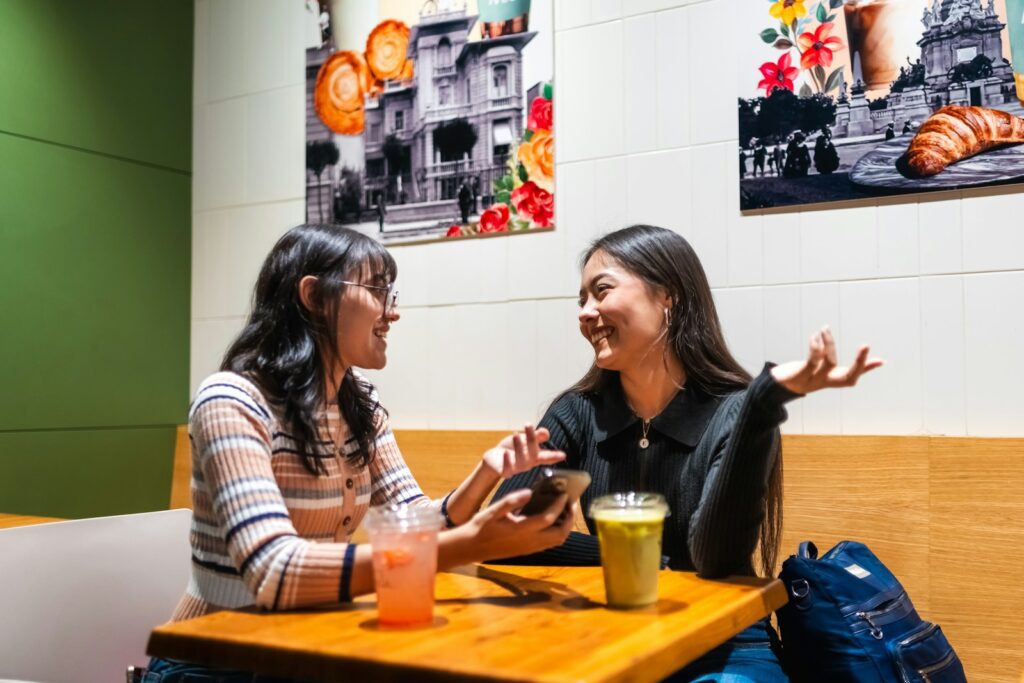
The phone rang, and a familiar name popped up on the screen. It had been two years since the last conversation, and the person calling had ghosted completely. Instead of a friendly catch-up, she announced she was engaged and declared that her old friend would be a bridesmaid. The abruptness of the news left the friend feeling unsettled and blindsided.
This encounter started when a college friend reached out out of the blue. She had not spoken to her in two years, and for a brief moment, the friend thought it might lead to rekindling their relationship. Instead, she was met with a quick announcement of an engagement, which was quickly followed by an assumption that she would actively participate in the wedding festivities. It was a confusing twist, especially given the history between them.


The backstory surrounding their fall-out only added to the complexity. They had planned a much-anticipated girls’ trip, a getaway that was supposed to be a special escape for the two of them. However, things took a sharp turn when the college friend decided to invite her boyfriend. The situation spiraled into a chaotic trip where not just her boyfriend showed up, but nine of his friends as well. What was envisioned as a cozy girls’ getaway became an experience of third-wheeling and discomfort. As one might expect, the fallout from that trip left a significant rift between the two friends.
Now, two years later, the friend is informed in a matter-of-fact manner that she’s expected to be not just a guest but a bridesmaid. The irony of the situation is hard to ignore—the same boyfriend who disrupted their trip is the one she is marrying. The surprise announcement felt like an imposition, especially in light of the previous silence. It was as if the past didn’t matter at all to her college friend, who seemingly moved on without a second thought.
The friend felt compelled to show enthusiasm despite the awkwardness of the situation. She played the role of the excited bridesmaid, choosing to support her friend’s big moment instead of addressing her feelings about being thrust into this role. It was a strange predicament to be in—caught between a history of hurt and the expectations of friendship.
People had very different reactions to this story. Some recognized the audacity of the college friend’s actions. They found it unacceptable to assume someone would just step back into a friendship after such a long silence, especially when the relationship had not ended on good terms. Others pointed out that weddings can sometimes bring out strong, unexpected emotions, and perhaps the friend was not fully aware of the weight of her request.
Some felt sympathy for the one who had been ghosted, understanding the discomfort of being thrown back into the mix without any genuine effort to reconnect. It raised questions about what friendship really means when one party seems to act as if nothing has happened. Others thought the college friend might simply have been caught up in her own excitement, overlooking the past to focus on her present joys.
The layers of emotions in this situation reveal much about the nature of friendships and the complexities that arise when life takes unexpected turns. How does one navigate the balance between personal history and new beginnings? Is it possible to step back into a friendship that has been dormant, and does love triumph over past hurts? Questions linger as the friend contemplates her next steps, caught between her loyalty to her past and the demands of the present.
More from Decluttering Mom: