


Most people think about air conditioning in terms of comfort and energy bills, not door locks and deadbolts. Yet the same unit that keeps a bedroom cool can quietly undo a lot of hard work spent securing doors, windows, and smart gadgets. The risk is not just about burglars pushing in a rattling window unit, it also includes thieves targeting outdoor equipment and hackers eyeing connected controls.
Look closely and an air conditioner starts to look less like a neutral appliance and more like a weak link that needs attention. From old-school window units to wireless thermostats, the details of how a system is installed and connected can decide whether it simply cools the house or quietly opens it up.

How window units turn into an easy entry point
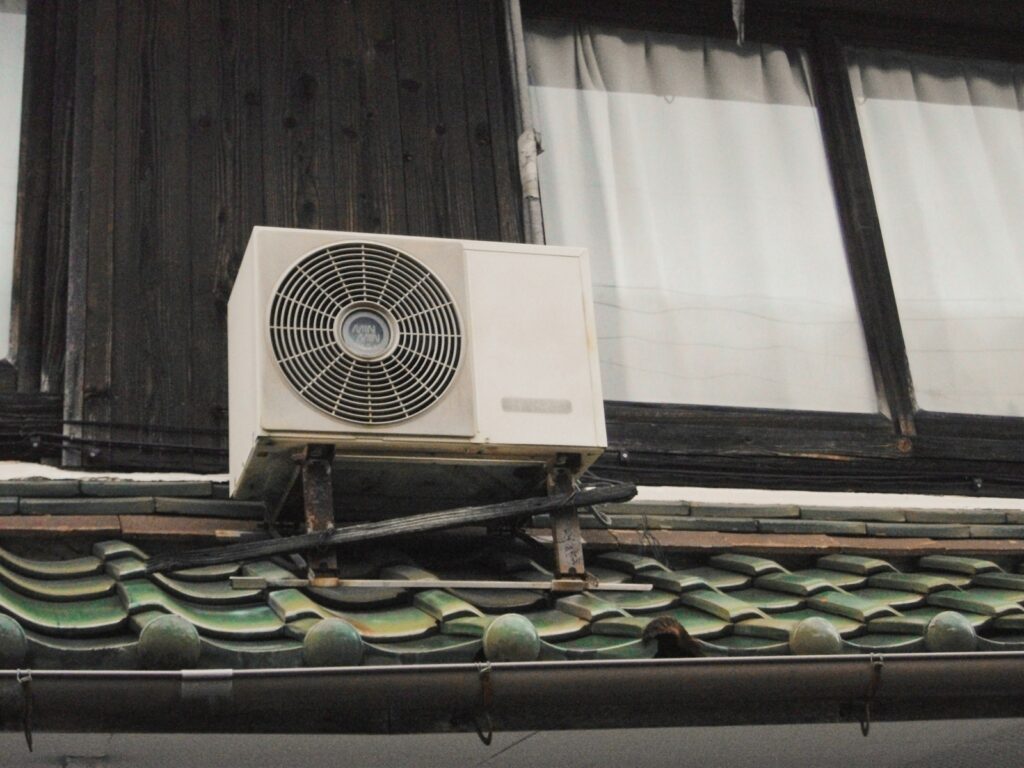
Traditional window units are notorious for creating a gap in what should be a solid wall of glass and framing. Many models sit on a sill with only a few screws and some flimsy side panels holding them in place, which is why security experts flag Window units as burglary risks. Those accordion-style wings are designed to keep bugs and rain out, not a determined intruder who is willing to push, pry, or cut to get inside.
Police and homeowners have seen the same pattern play out in real life. In one account, a resident recalled that window A/C units on Madison Avenue were a favorite way for burglars to get into people’s homes, simply by targeting the weakest looking installation on the block. Another homeowner described how, Down on that same Madison Avenue stretch, people learned to add visible deterrents so a thief would hopefully scare away before climbing through the opening.
The small hardware fixes that make a big difference
The good news is that a window unit does not have to stay an open invitation. Simple hardware upgrades can turn a wobbly install into something that looks like more trouble than it is worth. Security-focused HVAC pros recommend treating the unit like a door or ground-floor window, which means using extra brackets, locks, and seasonal Key Takeaways like sealing gaps and reinforcing the frame so it cannot be lifted or kicked in from outside.
Insurance specialists go even more granular, walking through steps like tightening every mounting screw, then using a tape measure to Measure the distance from the side of the unit to the wall so a steel corner brace can be added on each side. That kind of bracket makes it much harder to shove the unit inward. Local departments echo the same logic, with one Jul safety reminder pointing out that even a plainly visible bar or block across the top sash can be enough to make a burglar move on to an easier target.
When the target is the unit itself, not your front door
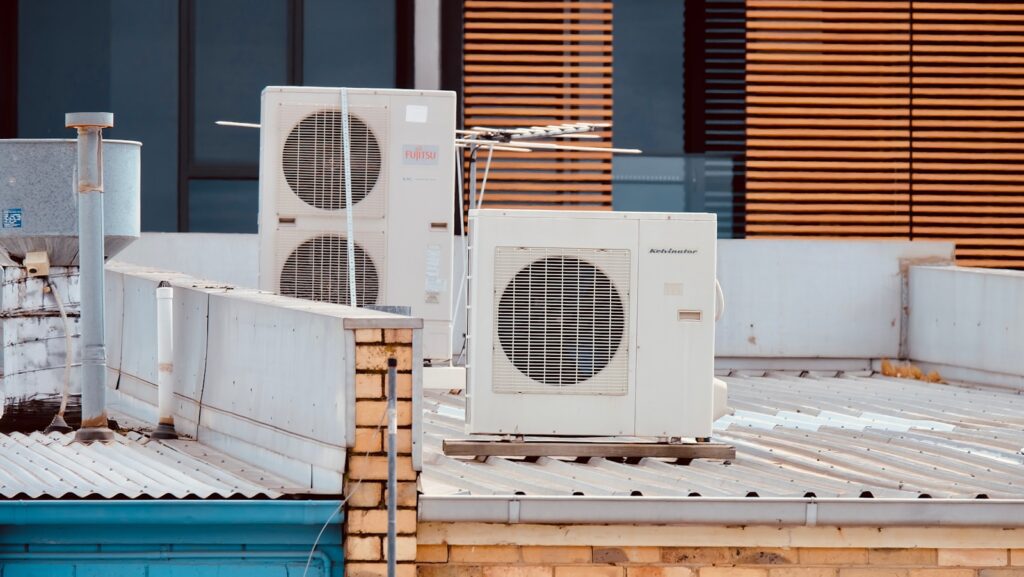
Not every criminal is trying to climb through the window. Outdoor condensers and even portable units can be attractive on their own, especially when scrap prices are high. HVAC repair specialists explain that AC systems are prime targets because of the copper coils and other components inside, and that Understanding the value of those parts is the first step in protecting them, particularly during extreme weather when units are running nonstop and thieves know exactly where to look.
Home service companies have seen thieves strip outdoor units or even try to walk off with smaller equipment, which is why they now talk about cages, cameras, and lighting in the same breath as refrigerant levels. One guide aimed at homeowners notes that people will go to great lengths to protect jewelry and electronics but forget that an AC compressor can also be stolen, and that a simple locked cage or motion light will Stop a thief who is looking for a quick, quiet score. Another security-focused HVAC guide frames it bluntly with a line that a Chilly Room Shouldn invite a Thief, then walks through alarms and panel locks that make tampering obvious.
Smart ACs and wireless HVAC: the digital back door
Even if every screw and bracket is in place, a modern system can still create a different kind of vulnerability. Smart window units, Wi‑Fi thermostats, and app-controlled mini splits all sit on the same home network as laptops and phones, which means they can be another way in for hackers. Security-minded home repair experts now warn that connected air conditioners and thermostats need the same basic cyber hygiene as any other device, including strong passwords and regular firmware checks, because a neglected app can quietly put overall Risk on the table.
Consumer advocates have also raised flags about what smart features collect and share. One review of connected appliances notes that Smart functions might seem appealing, but they can send detailed usage data back to manufacturers and create more openings for attackers if software is not maintained. HVAC specialists who focus on wireless systems add that all connected devices, including a home’s HVAC controls, carry some hacking risk and should be locked down with restricted physical access to thermostats and routers, not just a quick tap on an app.
Choosing safer cooling options and habits
For anyone shopping for new equipment, the type of unit matters as much as the brand. Security-focused HVAC guides point out that a through-the-wall model, often called a Wall AC, is typically bolted into a framed opening and sealed, which makes it much harder to remove from outside than a unit that simply rests on a sill. Some contractors go as far as listing “you create a security risk” as one of the top reasons to avoid certain window models, warning that You can make it easy for someone to enter a home by pushing in an AC unit if it is not reinforced.
Habits matter too. Home security pros suggest treating the area around any unit like the rest of the perimeter: keep shrubs trimmed, add lighting, and consider a basic sensor or camera that covers the window or outdoor condenser. One practical guide on air conditioner security even ties in broader crime patterns, urging people to think about whether their system is impacting overall safety and to pay attention to other crimes in the neighborhood when deciding how far to go with reinforcements. Video segments have picked up the same theme, with one daytime show asking if a window air conditioner is making a home more vulnerable and another local report showing how a simple screw can help residents fight Back against crooks targeting loose units.
More from Decluttering Mom: