You open the grocery app and there it is: a bright banner promising a deal on something you have never bought in your life. Fifty cents off, buy one get one, a digital coupon that expires tonight. Your thumb moves before your brain does, and a few days later you are staring at a pantry shelf crowded with things nobody asked for.
Coupons and loyalty apps can absolutely save money. But they can also be one of the sneakiest ways to spend more and clutter your home at the same time. The difference comes down to one simple question: was it already on your list?
How a “Deal” Becomes a Trap
Stores and app makers are not handing out discounts out of kindness. The goal is to get you to shop more often, spend more per trip and stay loyal. Offers are designed to catch your attention and make a purchase feel like a win. When you buy something you were not planning to buy, even at a lower price, you did not save money. You spent money.
The math is easy to miss. A product you did not need at a discount still costs more than the product you did not buy at all. If you pay a small amount for something that sits in a cupboard for months, that money is gone, and the item is now taking up space.
A few tactics show up again and again:
- Limited-time offers that make you feel you must act right now.
- Points and rewards that nudge you to spend a bit more to reach the next level.
- Bundles and multi-buy deals that push you to buy more than you will use.
- Personalized offers that make you feel the deal was chosen just for you.
- Free gifts with purchase that tempt you to add something extra to the cart.
None of these is a scam. They are ordinary retail strategies. Knowing them simply puts you back in charge.
The Stockpile Problem
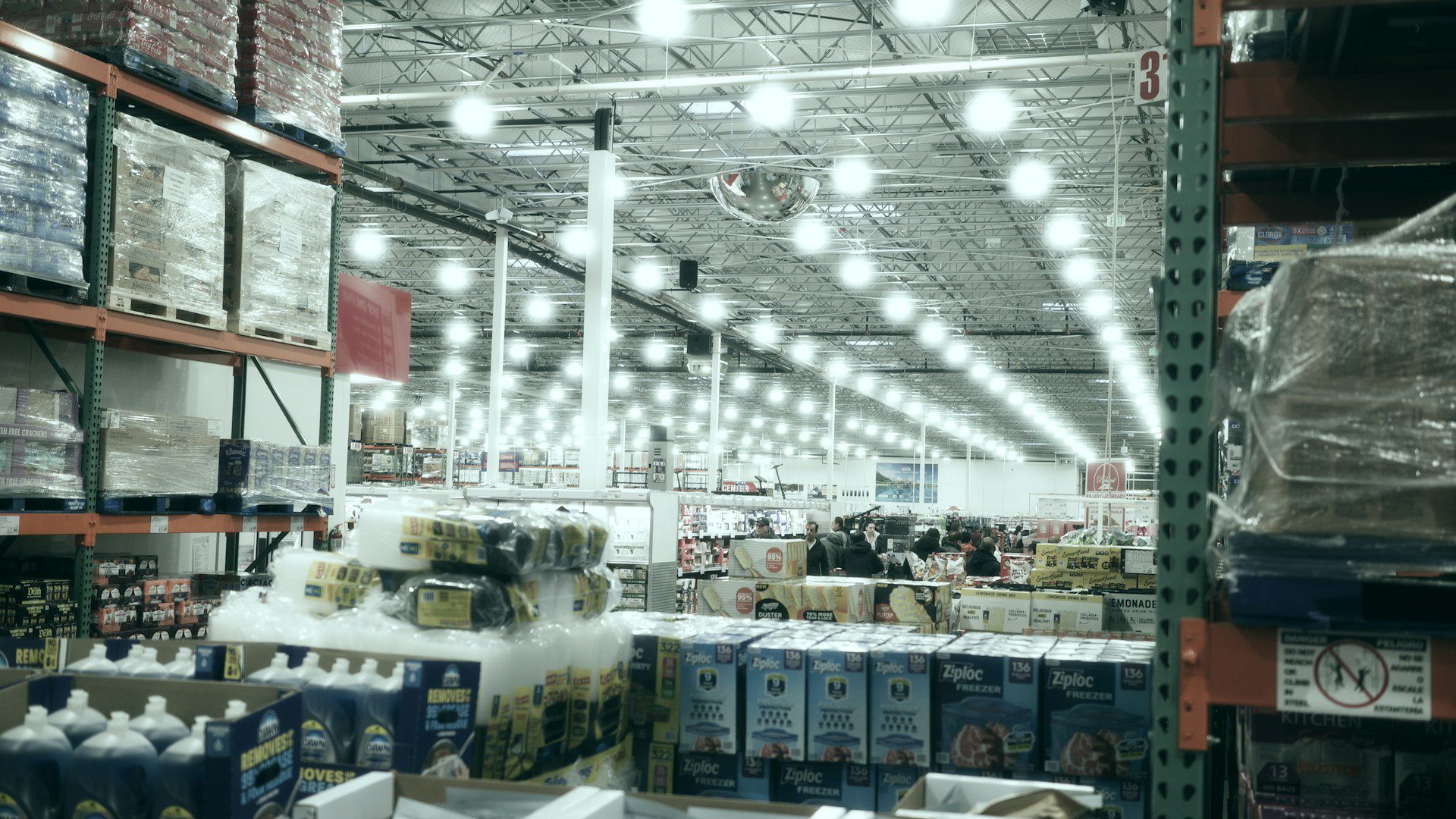
Stockpiling can make sense when you are buying things your family already uses, such as toilet paper, laundry soap or pantry staples, and you have room to store them. It stops making sense when the stockpile is made of items you picked up because they were cheap. Soon the closet is stuffed with shampoo you will never use, snacks nobody likes and cleaning products still in the packaging.
That kind of clutter has hidden costs. Food can expire before anyone eats it. Beauty and cleaning products can change over time, and items stored out of sight get forgotten, which means you may end up buying the same thing twice. And the more you own, the harder it is to see what you have and the more time you spend organizing it.
The One Rule That Fixes It
Here is a rule you can start using on your very next shopping trip: use coupons and app deals only on items already on your list. Make the list first. Then look for discounts that match it.
That small shift flips the whole system. Instead of letting the offer decide what you buy, your needs decide what you buy, and the offer simply lowers the price. This is how couponing is supposed to work.
Smart Habits for Coupon and App Users
If you enjoy hunting for deals, you do not have to give it up. A few habits keep it working for you rather than against you.
- Write your list before opening the app, and stick to it.
- Check the unit price, not just the sale tag. A bigger package or a name brand on sale is not always the better value.
- Ask yourself, “Would I buy this at full price?” If the answer is no, skip it.
- Look at what is already in your pantry and cupboards before you shop, so you do not duplicate.
- Set a limit on how much of any one item you will keep on hand.
- Check expiration dates when you buy in bulk, and plan to use things before they go bad.
- Do not chase points. Reward programs are only worth it when you would have bought the item anyway.
Do a Quick Stockpile Audit
If you suspect your house already has too many deal-driven purchases, spend a few minutes checking. Pull out the extras from the pantry, the bathroom cabinet and the closet where you keep spare supplies. Sort them into what your family will really use, what will expire soon and what you simply do not want.
Use the items that will go bad first. Donate unopened, unexpired food and household goods to a local food pantry or shelter if they accept them, and ask first about what they can take. Then set a limit for yourself so the shelf does not fill up again.
The Bottom Line
A deal is only a deal if you needed the item. Make your list, match your coupons to it and let everything else go by. You will keep more money in your pocket, and you will keep your shelves free of the clutter that cheap prices so often bring home.
More Stories You May Like
- Professional Organizer Lists 20 Things You Should Throw Out Today and Guarantees There Is at Least One on the List You Will Absolutely Refuse to Part With
- Consuming Too Much Decluttering Advice Can Make Decluttering Feel Harder, Because Your Brain Gets Overloaded If You Never Act On It
- Minimalist Mom Lists The Everyday Things She Does Not Own Including A Coffee Table Curtains And Extra Kitchen Appliances And Never Misses Them