

One young woman was caught off guard during a seemingly routine family car ride when a casual conversation morphed into a heated debate about wedding traditions and cultural expectations. All she wanted was a peaceful chat with her cousin’s fiancée, but the tone shifted as her aunt launched into a discussion about the upcoming wedding. What started as light chatter quickly escalated into an argument about tradition, leaving everyone in the vehicle feeling tense and uncomfortable.
The family dynamic became increasingly strained as the aunt and her son, the soon-to-be groom, found themselves at odds over the type of wedding they planned to have. The young woman, only twenty years old, felt the discomfort grow as her father joined in, siding with her aunt. It was an unintended glimpse into the complicated relationships that often strain family gatherings. In that moment, she recognized how little room there was for personal choice in the eyes of the elders.

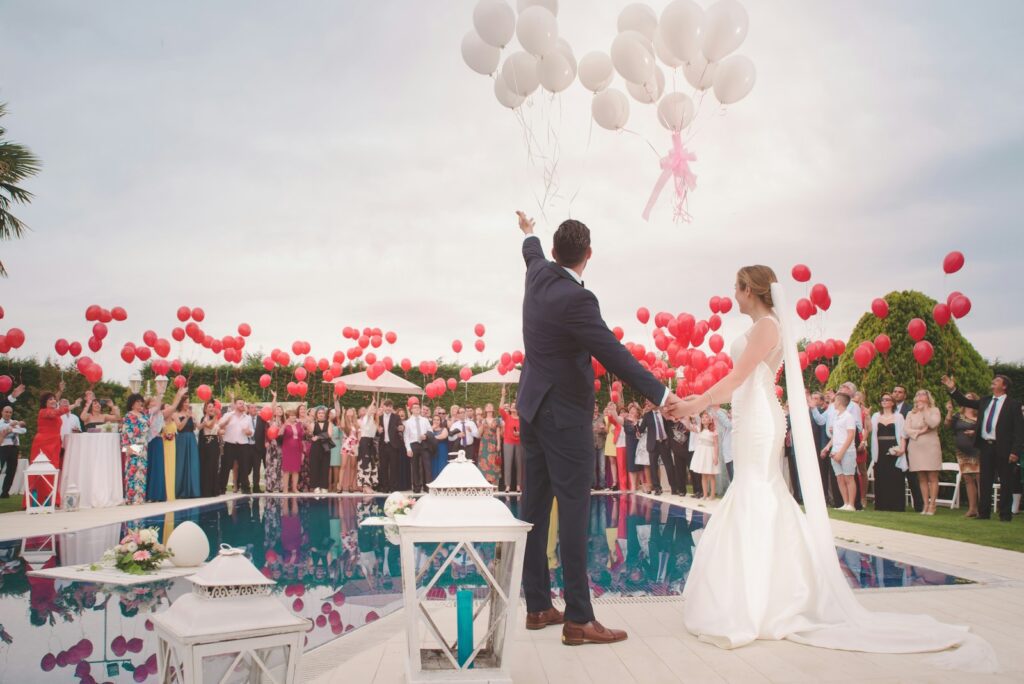
With the wedding looming, the woman felt increasingly aware of the rift forming among family members, especially after her cousin decided to opt for an American wedding rather than adhering strictly to their cultural traditions. This choice was met with resistance, and the tension escalated when news reached her that some family members might even skip the wedding altogether because it wasn’t “traditional” enough. The young woman was left feeling torn between her loyalty to her family and her belief in personal freedom.
At a subsequent family lunch, the topic resurfaced, and she found herself on the defensive. Her parents voiced their disapproval of her cousin’s decisions and announced they wouldn’t attend the wedding. In an attempt to express her frustration, she declared, “Well, I am,” demonstrating her support for her cousin’s choice. This was a bold move, and it ignited a back-and-forth that left her feeling overwhelmed. Her parents insisted that the cousin was being disrespectful by not honoring their cultural traditions, voicing their belief that he should host two weddings to satisfy both his fiancée and the family expectations.
In that moment, the young woman found herself grappling with her own feelings about marriage and whether it was something she even wanted for herself in the future. Her parents’ insistence on tradition felt suffocating, as if any deviation was an affront to how she was raised. It was an exhausting situation, and as the argument progressed, she found herself mentally processing the implications of these expectations on her own life and choices. She couldn’t shake the feeling that her own future could be dictated by the same pressures her cousin faced.
Online, reactions varied. Some viewers sided with the young woman, noting that her cousin’s wedding should reflect his identity and relationship without being weighed down by outdated expectations. Others, however, expressed that traditions hold significant value and should not be easily dismissed. The nuances of cultural identity and family loyalty quickly turned into a complex debate, highlighting the struggle many face when balancing personal wants against familial obligations.
Comments ranged from supportive to critical; some urged the young woman to stand her ground, emphasizing the importance of individual choice in personal life events. Others pointed out that her cousin’s decision impacted not just him but the family as a whole, suggesting that there might be a middle ground to explore. The discussion revealed a widespread tension that resonates with many families navigating similar issues.
Ultimately, the young woman was left pondering her future, wrestling with the family expectations that came with it. Would she be forced to conform to traditions she didn’t believe in? The weight of these discussions had made her question the very institution of marriage, leaving her wondering if love could truly flourish in an environment where cultural obligations overshadowed personal happiness. It raised an unsettling question: how does one balance deep-rooted traditions with the desire for personal expression? What happens when family expectations begin to overshadow love itself?
More from Decluttering Mom: