

At first glance, the home in this video looks almost suspiciously tidy, clean lines, open surfaces, nothing cluttering the view. Then the creator starts pulling back the curtain, literally, revealing basket after basket and bin after bin tucked into places most people would never think to look, including one pulled from directly underneath a bed frame.

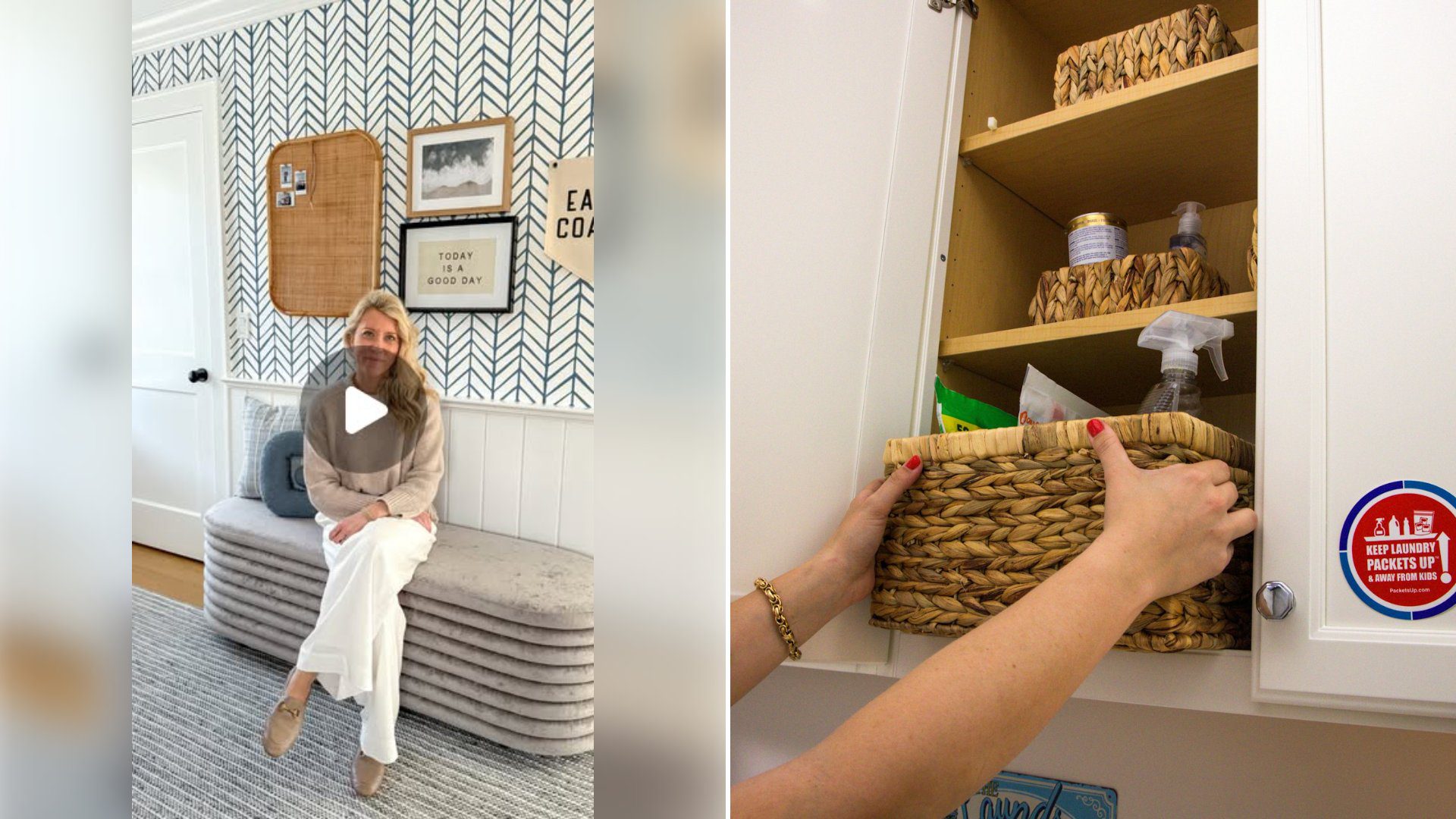
Creator @collectedco_ narrates the tour with a clear underlying philosophy: she wants a system that keeps things accessible but entirely out of sight. That single sentence sums up the whole home. Nothing shown is about owning less; it’s about making sure everything owned has a designated, hidden home so the visible surfaces of the house stay calm.
There is a real body of research behind why this kind of invisible storage approach feels so good to watch and, for the people who live it, so good to live in. Environmental psychologists who study clutter have consistently linked visual chaos in the home to measurably higher cortisol levels and self-reported stress, particularly among women managing the bulk of household organization. A 2010 study out of UCLA’s Center on Everyday Lives of Families, frequently cited in later research on home environments, found that women living in homes with higher density of household objects displayed elevated stress hormone patterns throughout the day. The takeaway researchers point to isn’t that people need to own fewer things necessarily, but that visible clutter specifically, the kind that nags at the eye every time you walk through a room, is what drives much of the stress response.
That distinction is exactly what this creator’s approach is built around. A basket under a bed frame still holds just as much stuff as it would sitting out on a dresser, but tucking it away removes the constant low-level visual noise that research suggests wears on people over time. Professional organizers often describe this as designing for “visual rest,” the idea that a room needs clear sightlines and uncluttered surfaces to actually feel calm, regardless of how much is stored just out of view in closets, bins, and under-furniture storage.
This approach also tends to be more sustainable long-term than aggressive decluttering alone, because it doesn’t require a household to constantly get rid of things to maintain a tidy look. Families with kids, in particular, accumulate items faster than almost anyone wants to admit, and a storage system built around hiding rather than eliminating gives a home room to breathe without a never-ending purge cycle. The under-bed basket shown in this video is a perfect example: a notoriously underused storage zone in most homes, turned into functional, accessible square footage simply by committing to a container that fits the space.
What makes tours like this one so satisfying to watch is the reveal structure itself, the calm room first, then the hidden abundance behind it. It flips the usual before-and-after format on its head; instead of messy-to-tidy, it’s tidy-to-secretly-organized, and that twist is part of why it resonates so strongly with viewers who assumed a calm-looking home meant a owning less, not simply storing smarter.
By the end of the tour, it’s clear the calm aesthetic isn’t an accident or a minimalist lifestyle choice, it’s the direct result of a deliberate, almost architectural approach to where everything lives. Every basket has a job, every bin has a home, and none of it is meant to be seen unless you go looking for it.
More from Decluttering Mom
- Organizer Says Fifteen Minutes a Day Cleared Hundreds of Items From Her Home in One Month and Shows the Exact Routine Any Busy Mom Can Copy This Week
- Creator Says One Dave Ramsey Decluttering Rule Finally Got Her To Haul Boxes Out of Her House and Walks Through What Left First and What Stayed
- Professional Organizer Tells Midlife Followers Decluttering Does Not Have to Be Hard and Offers a Free Thirty Day Checklist to Anyone Ready to Crawl Out From Under the Clutter